What's New at Wazoodle
What's New
The fabric · what Print adds, and why you’d reach for it
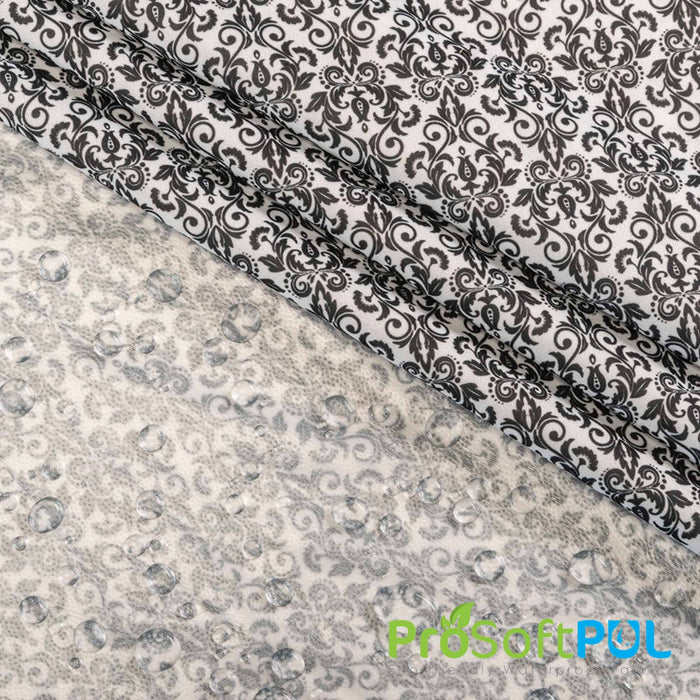
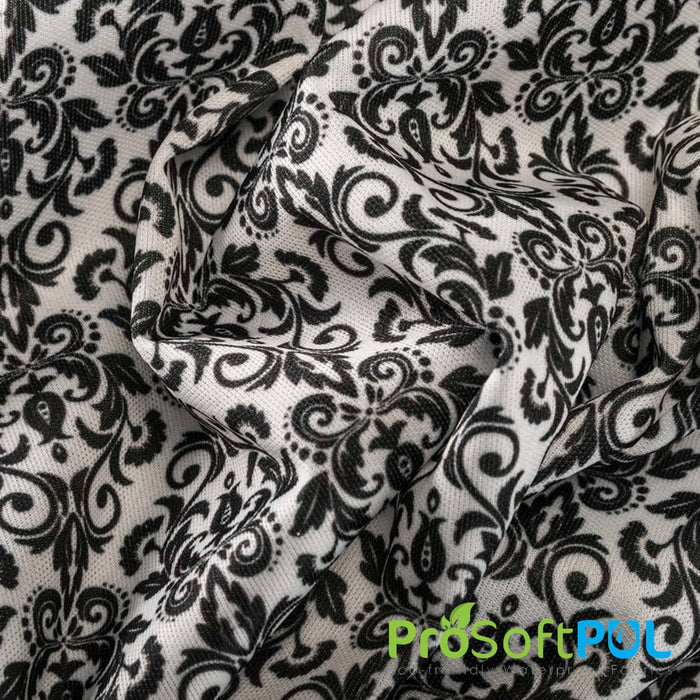
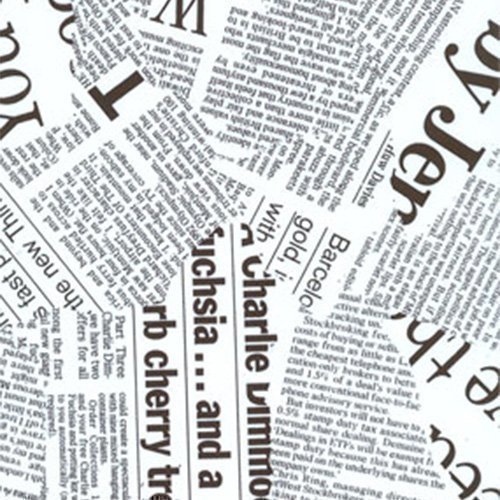
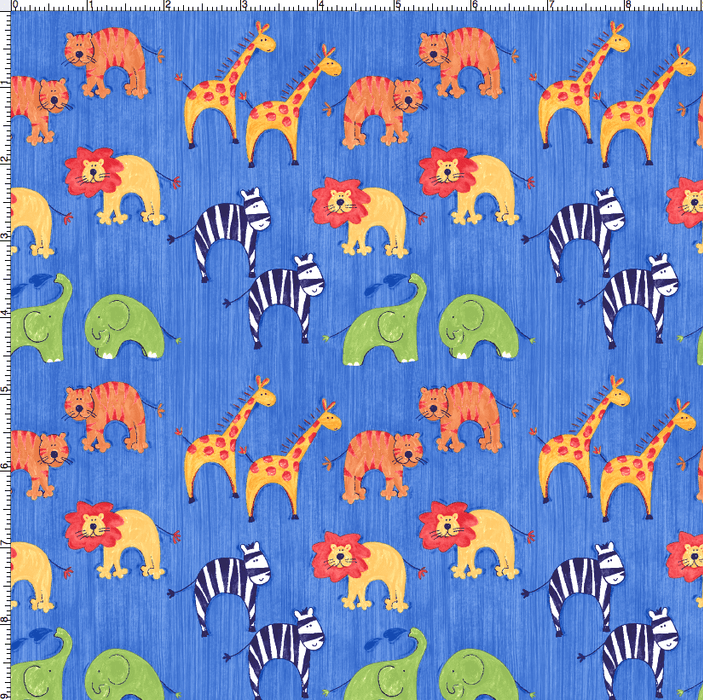
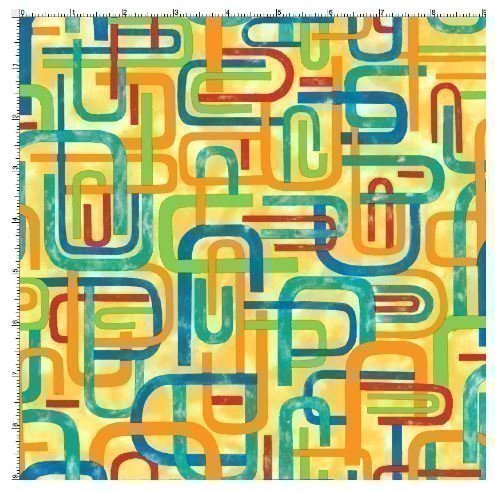
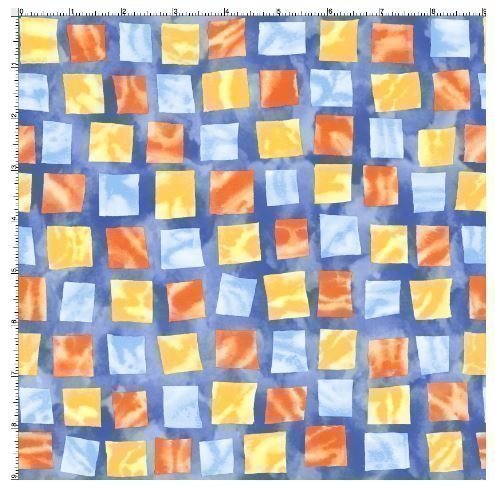
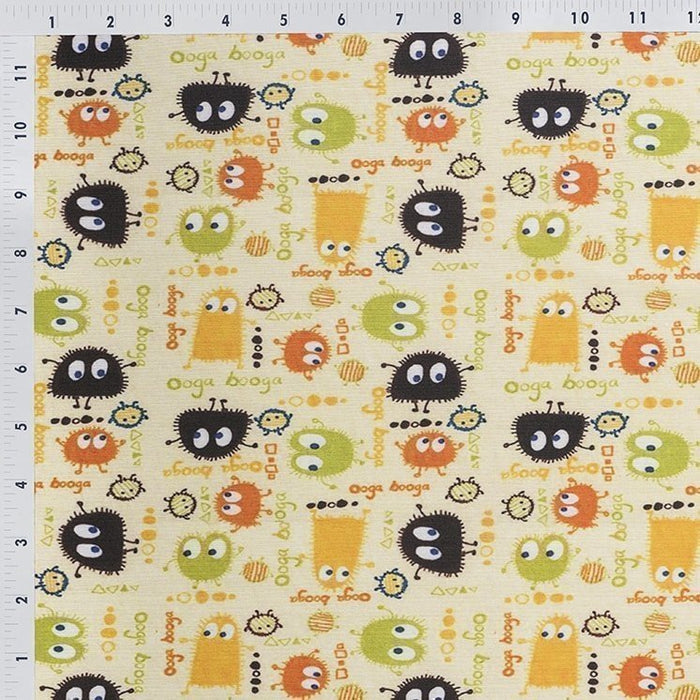
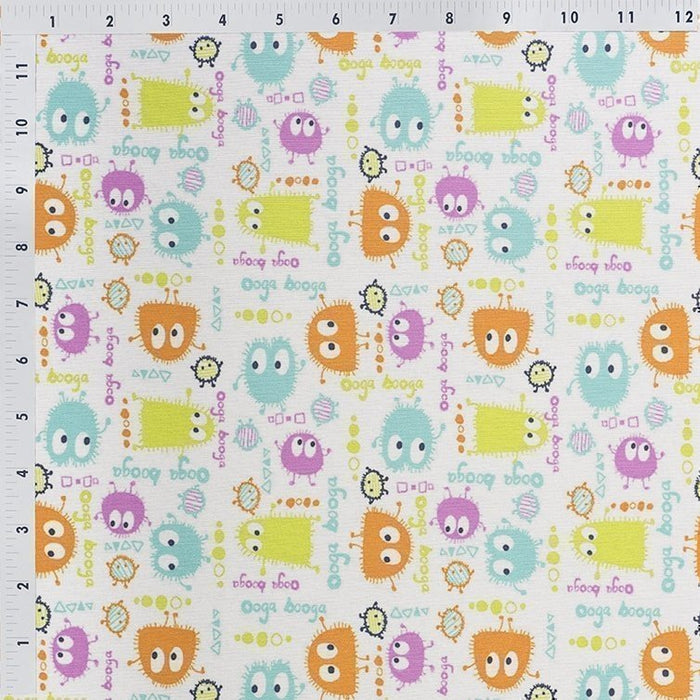
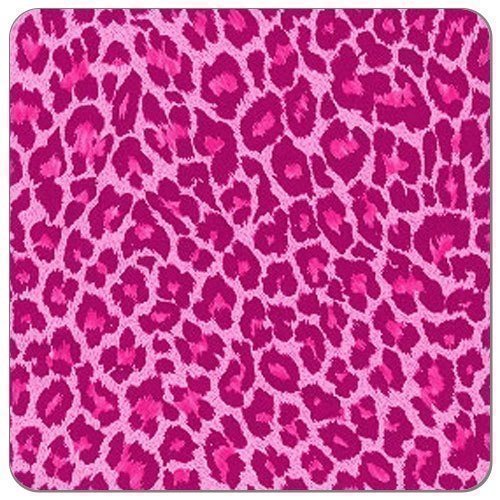
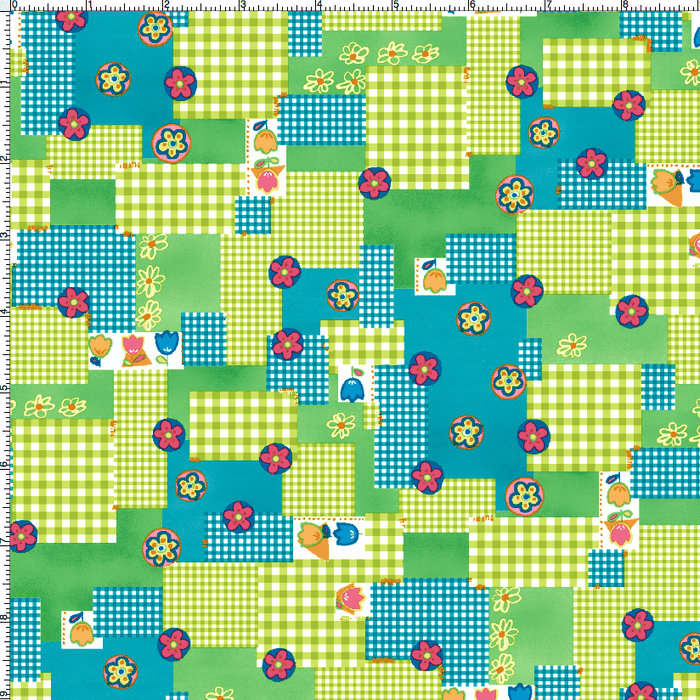
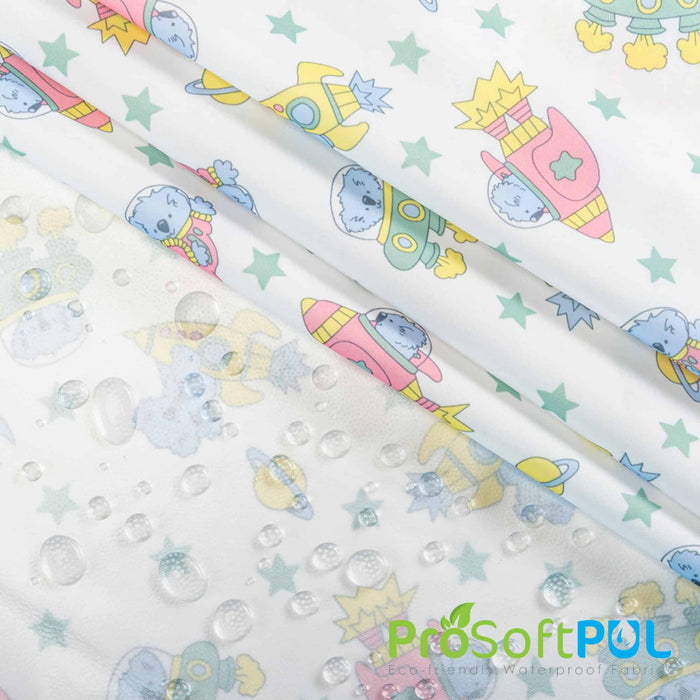
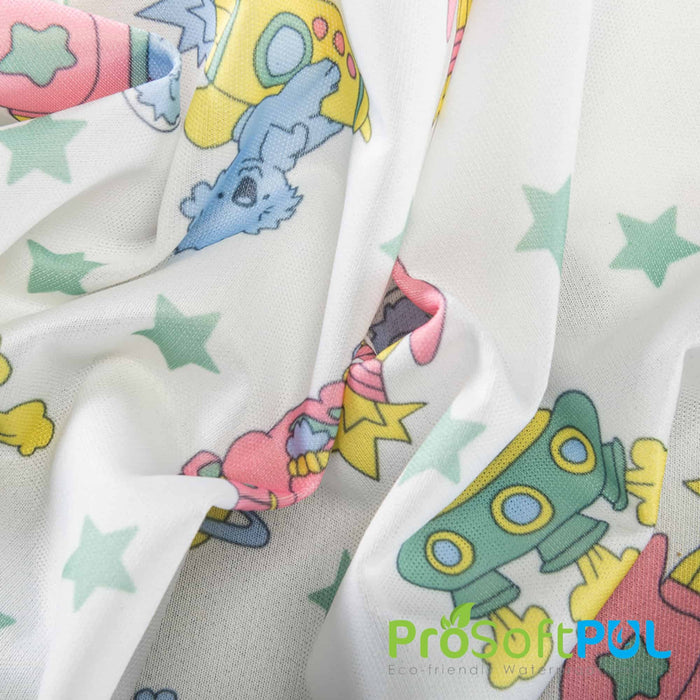
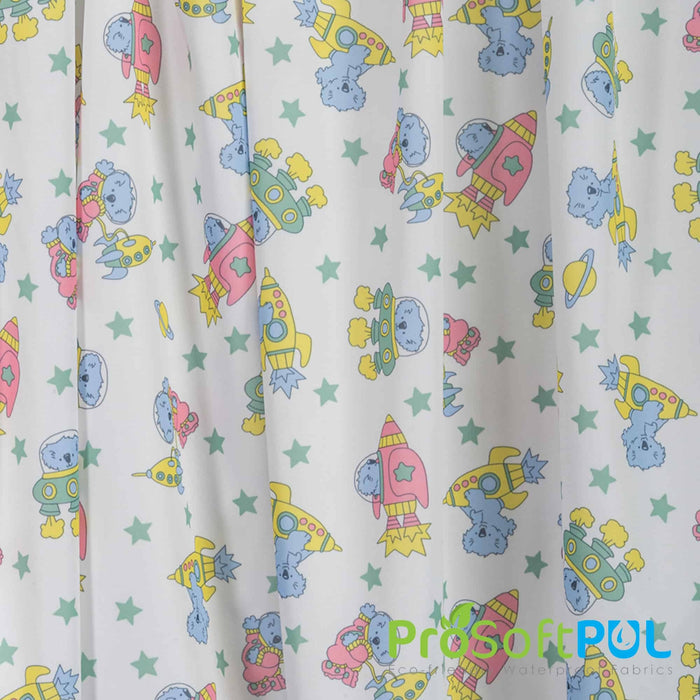
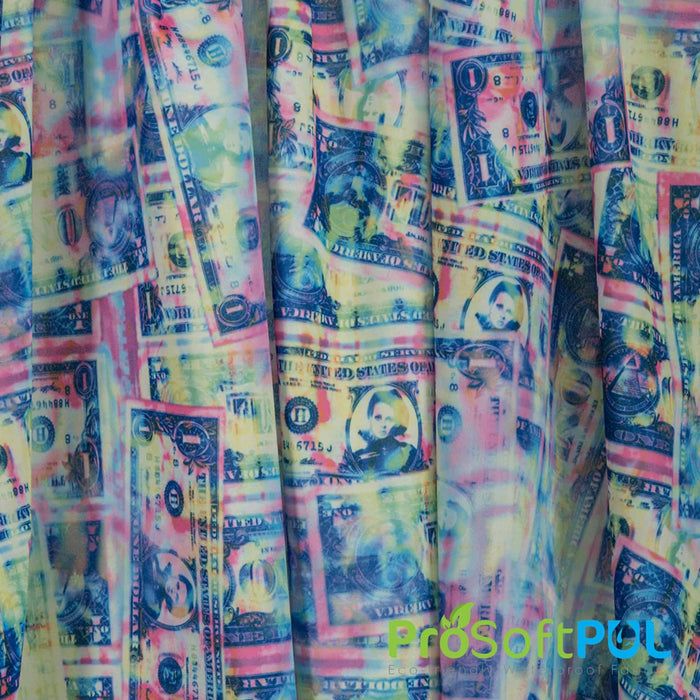
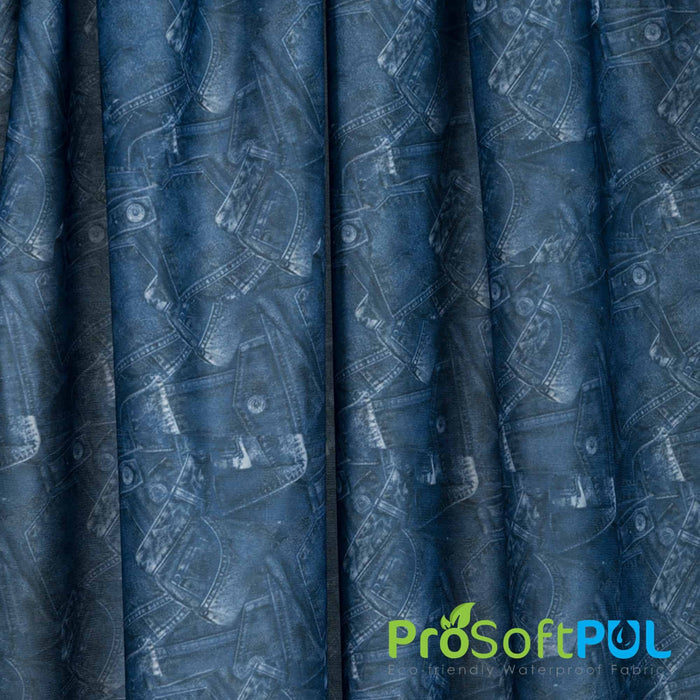
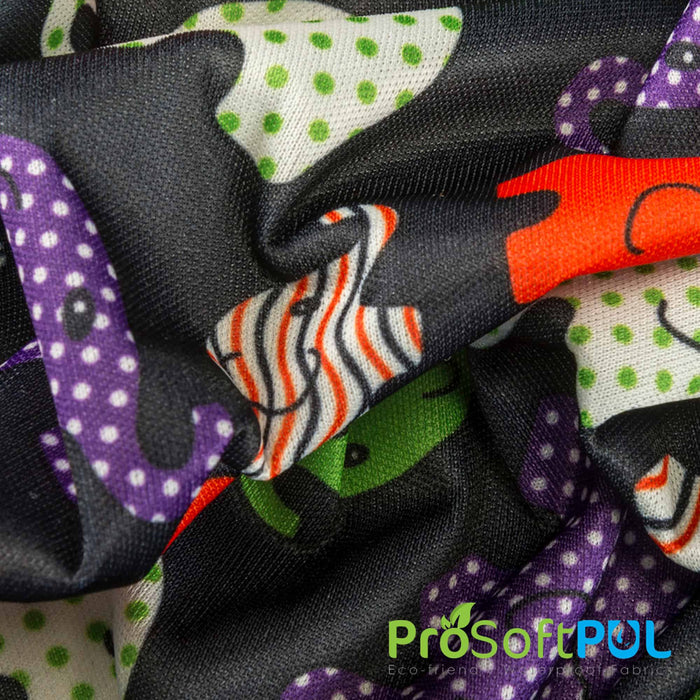
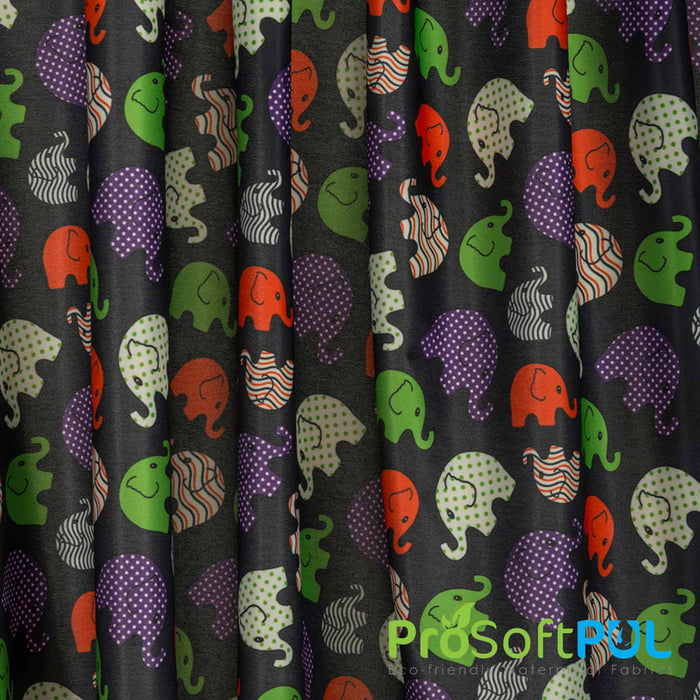
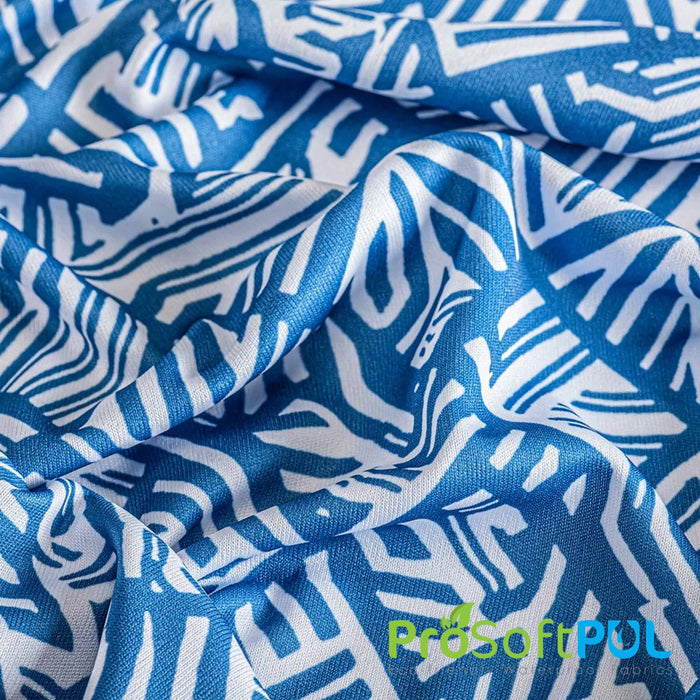
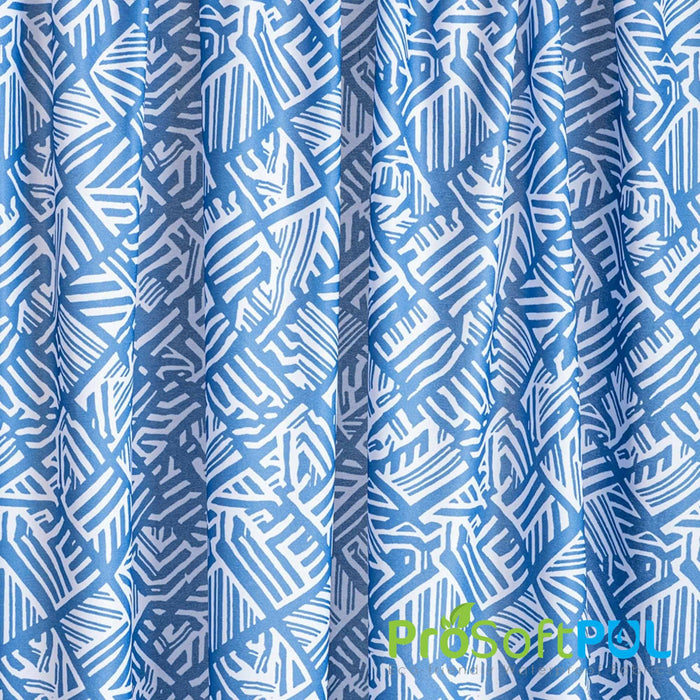
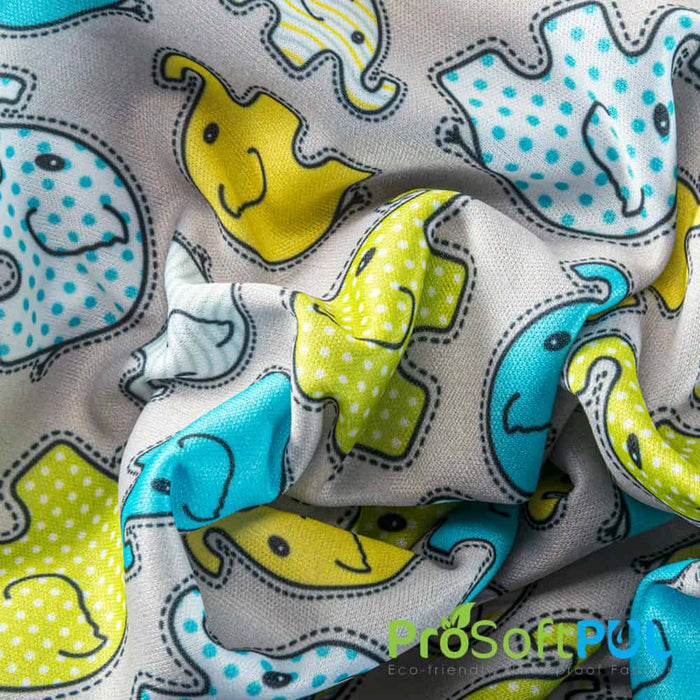
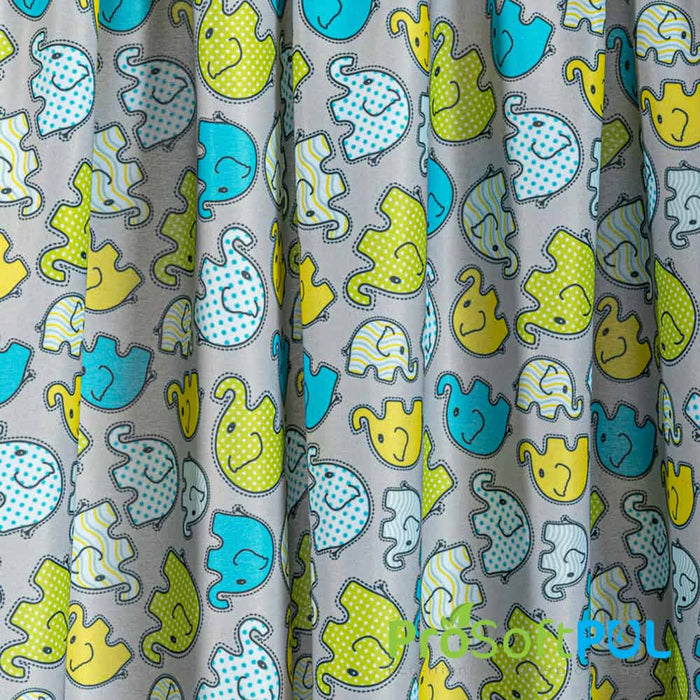
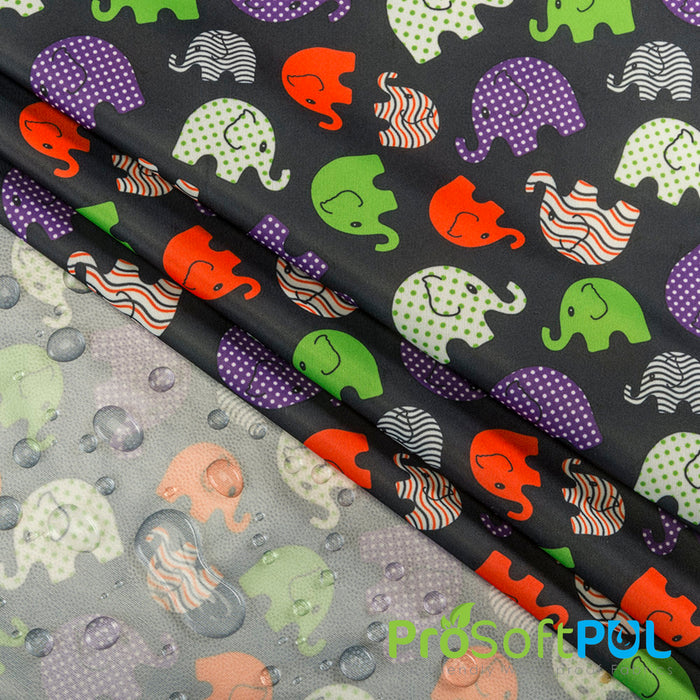
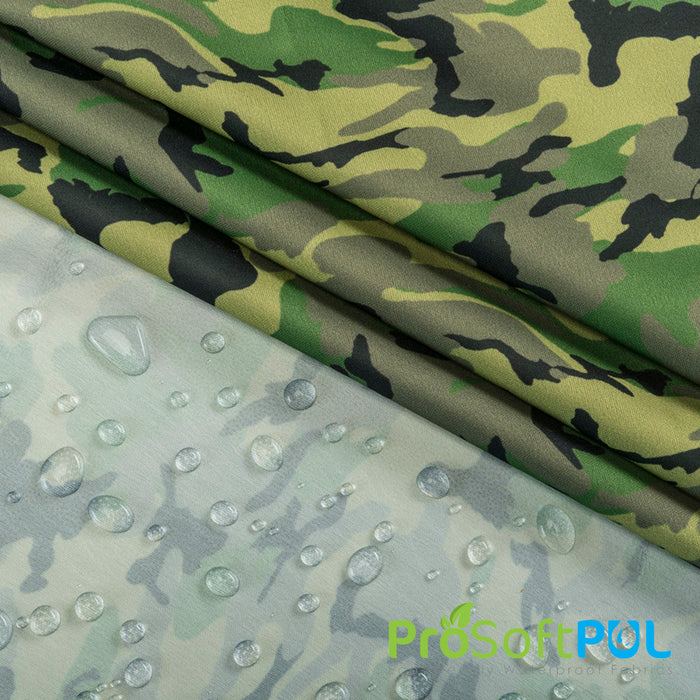
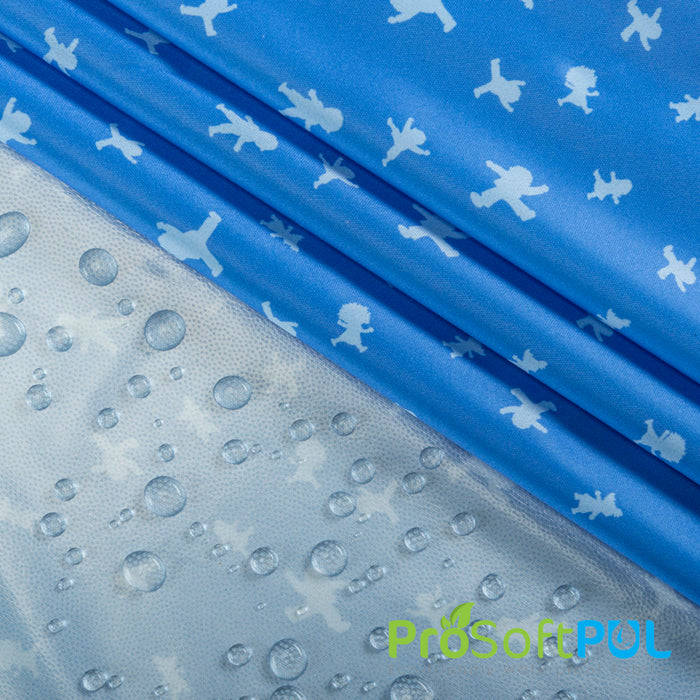
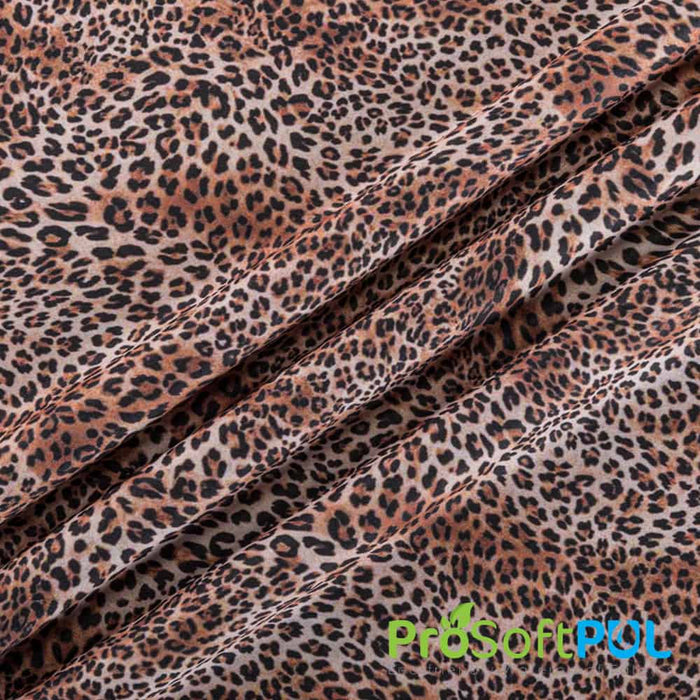
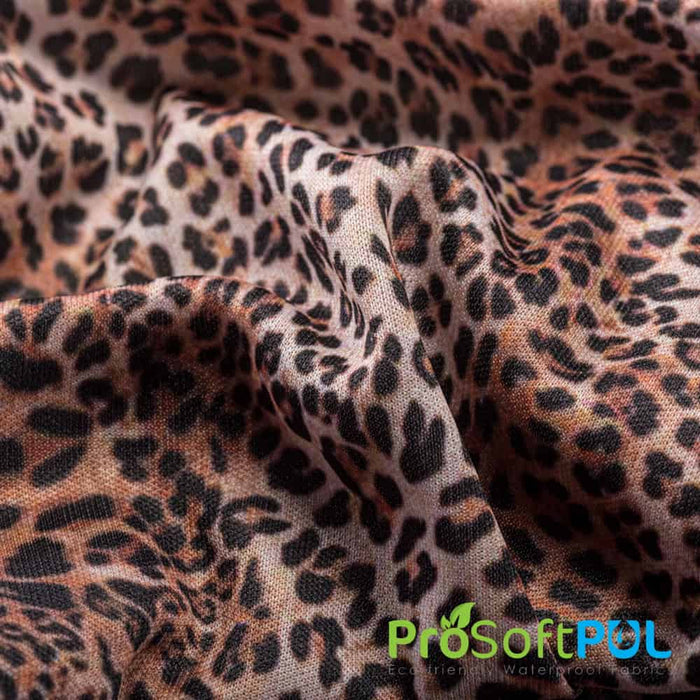
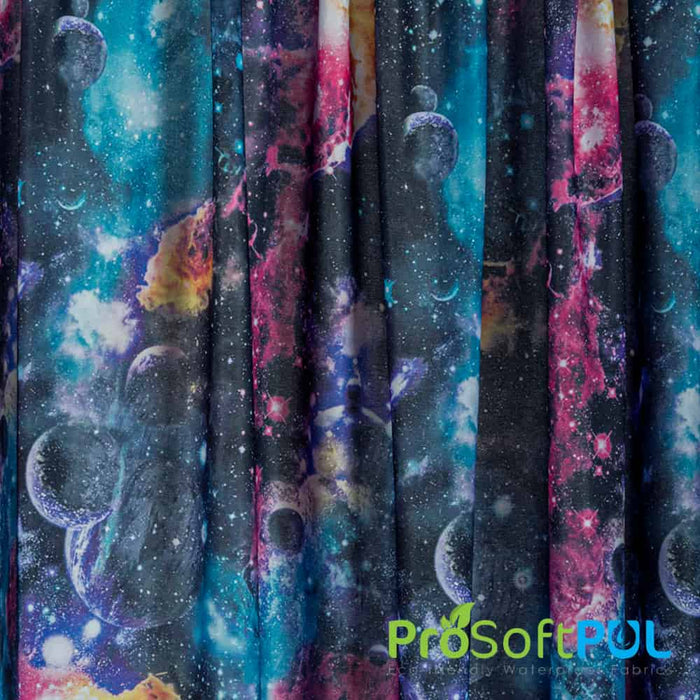
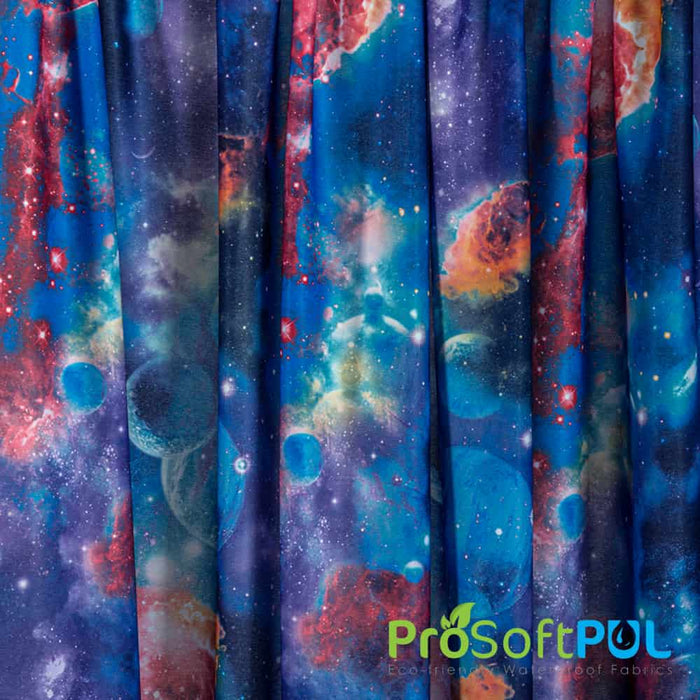
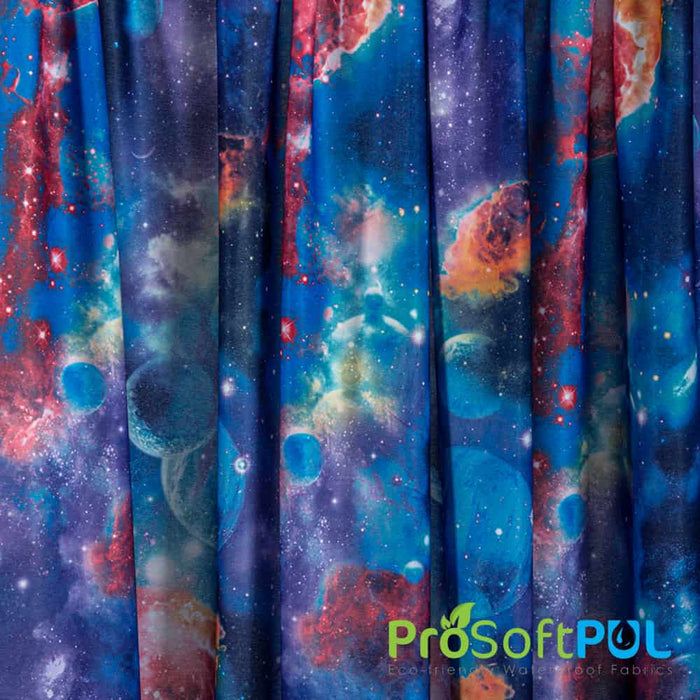
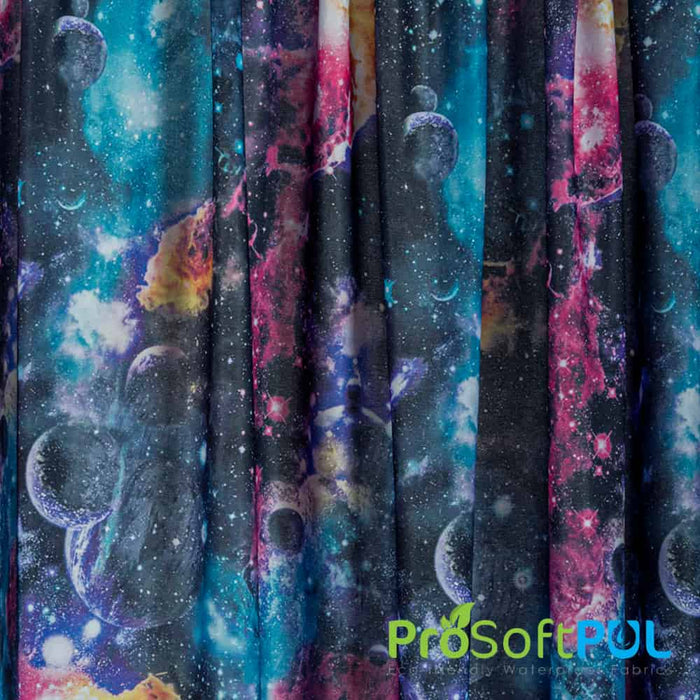
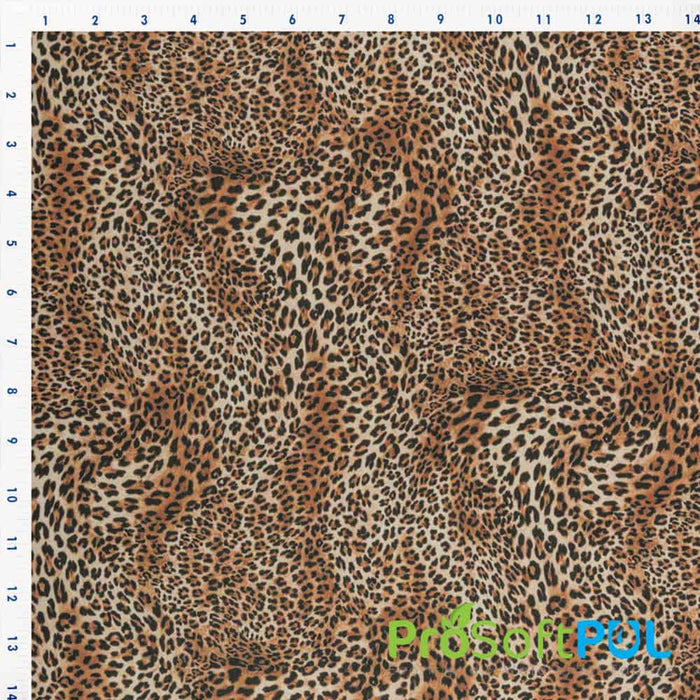
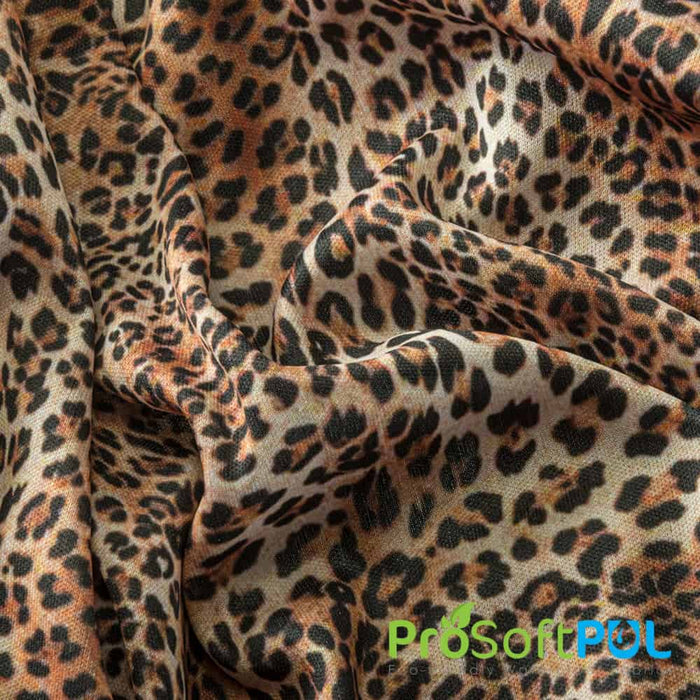
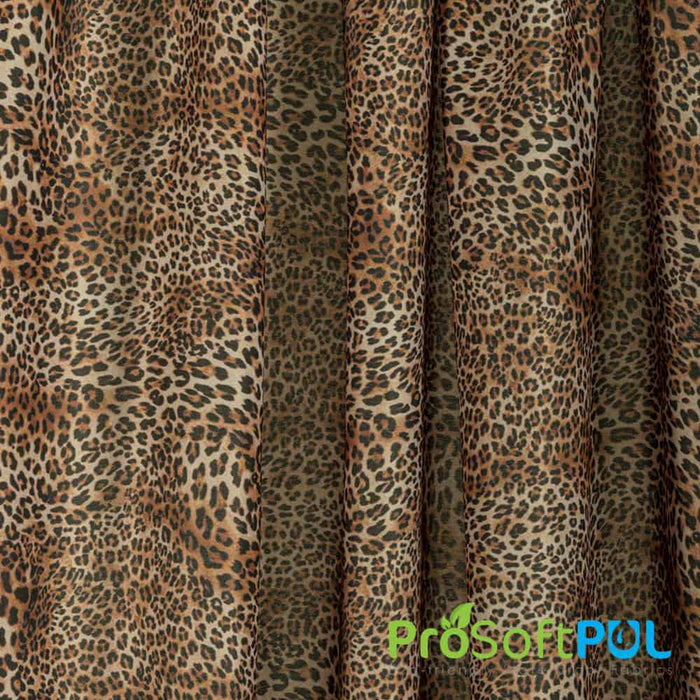
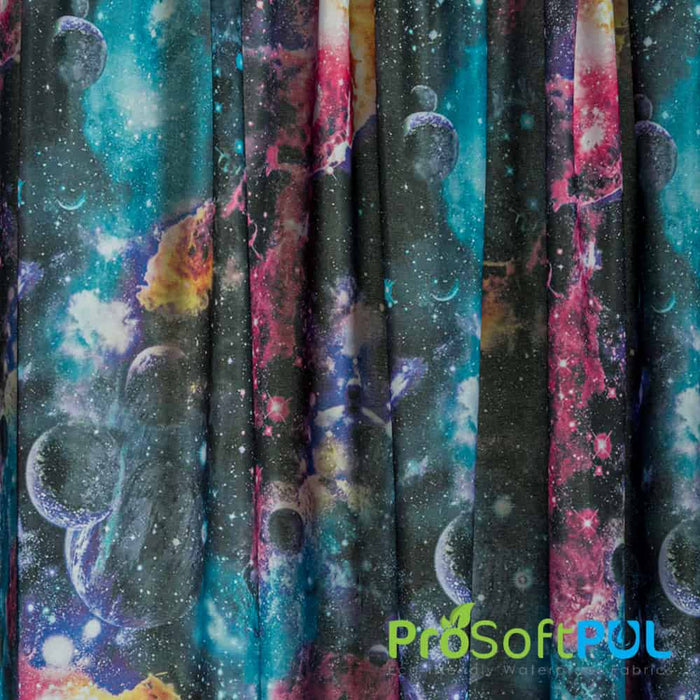
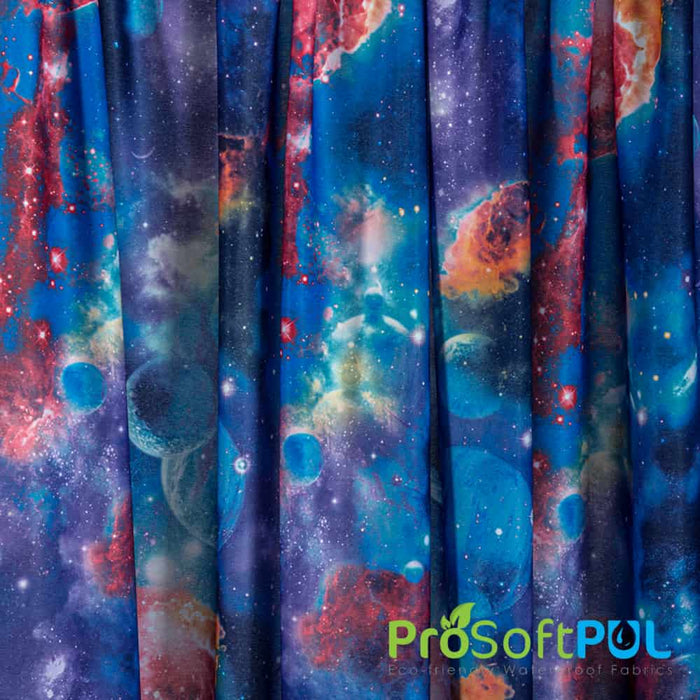
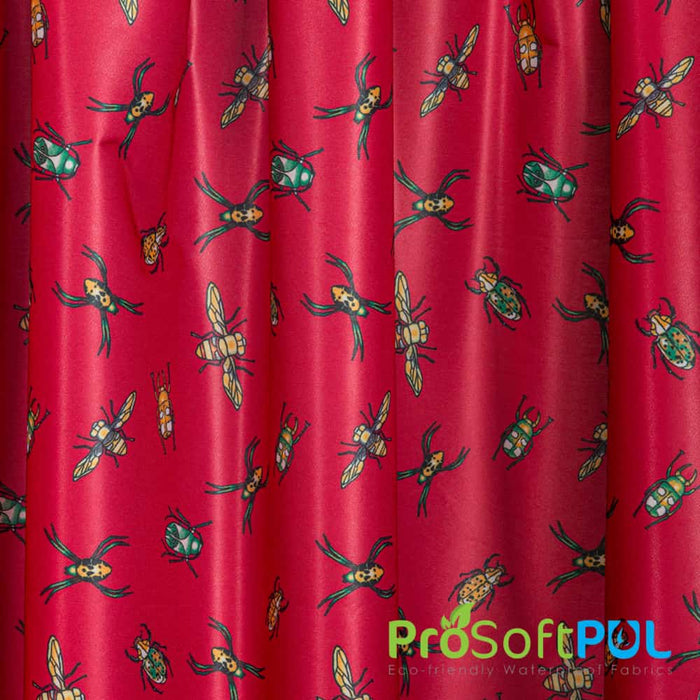
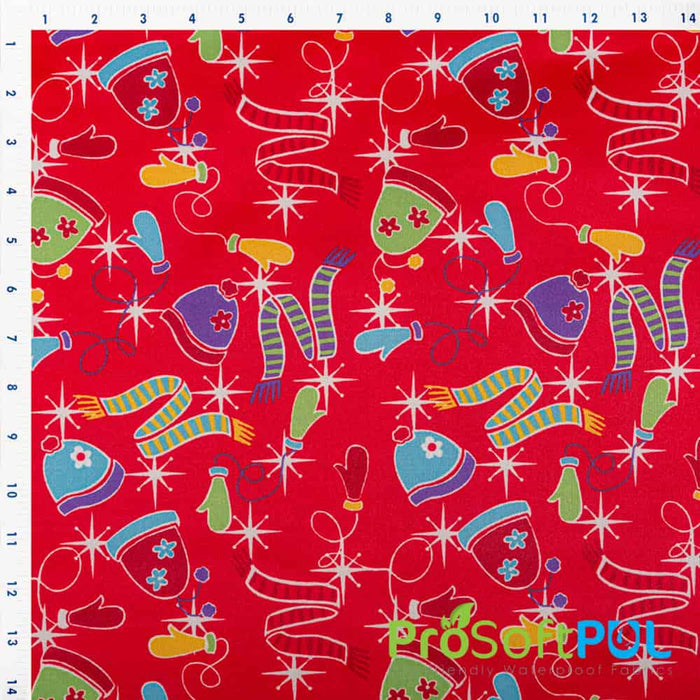
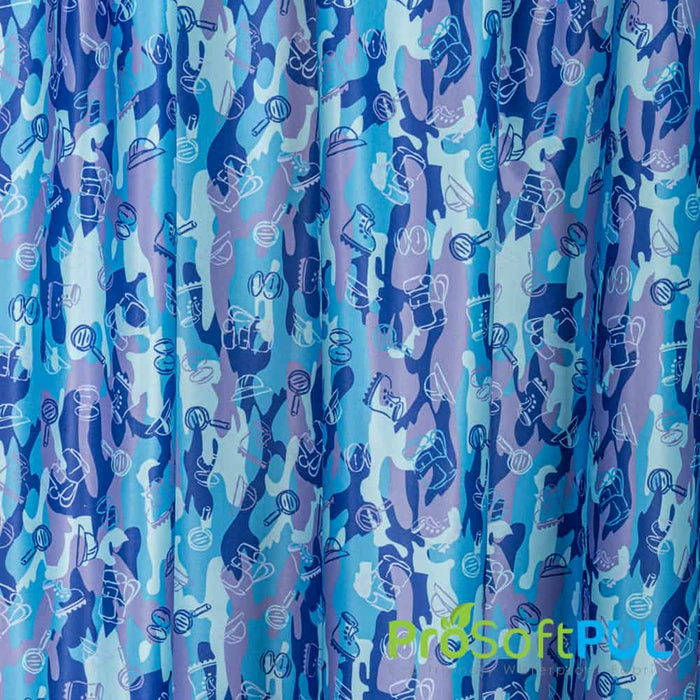
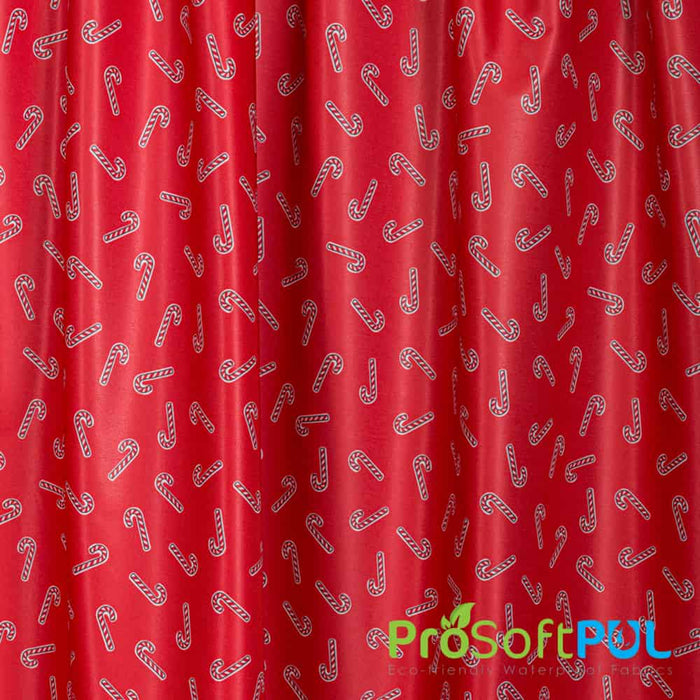
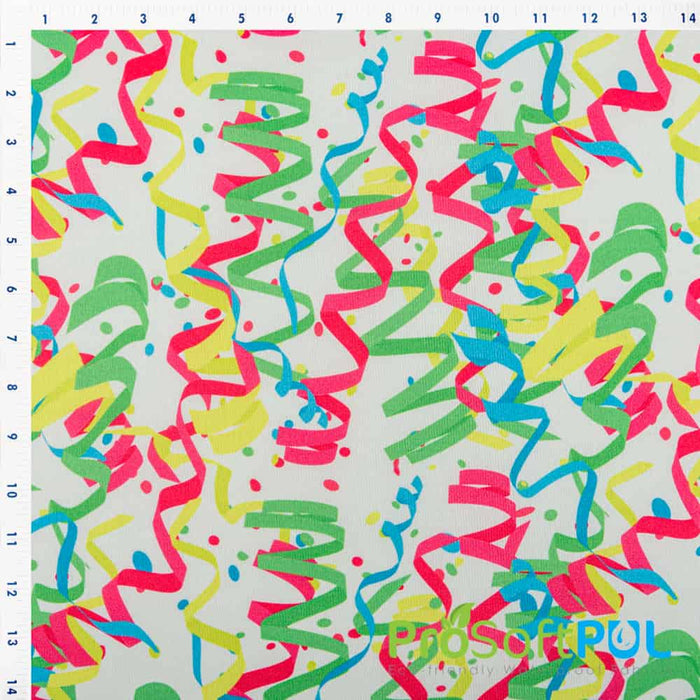
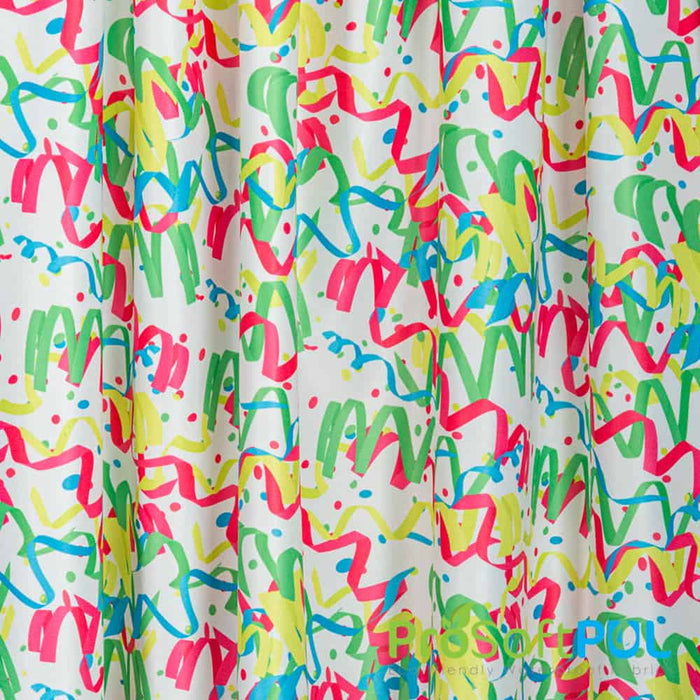
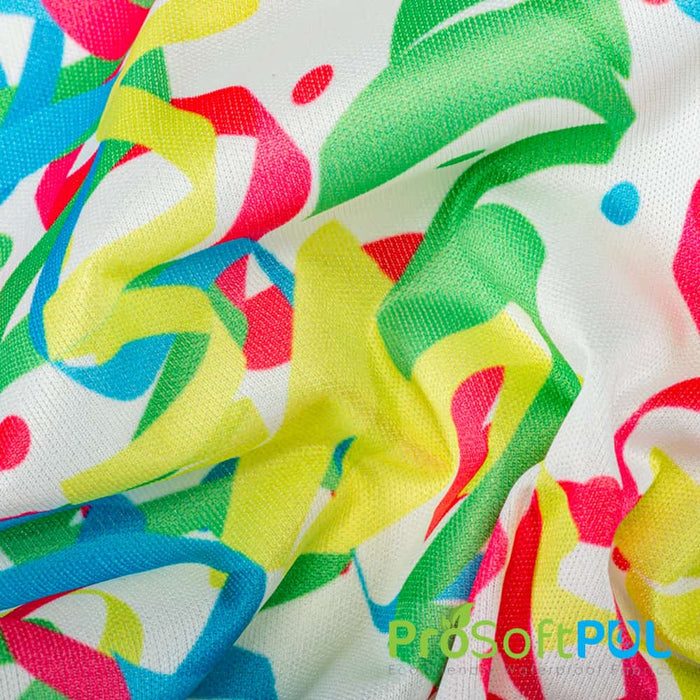
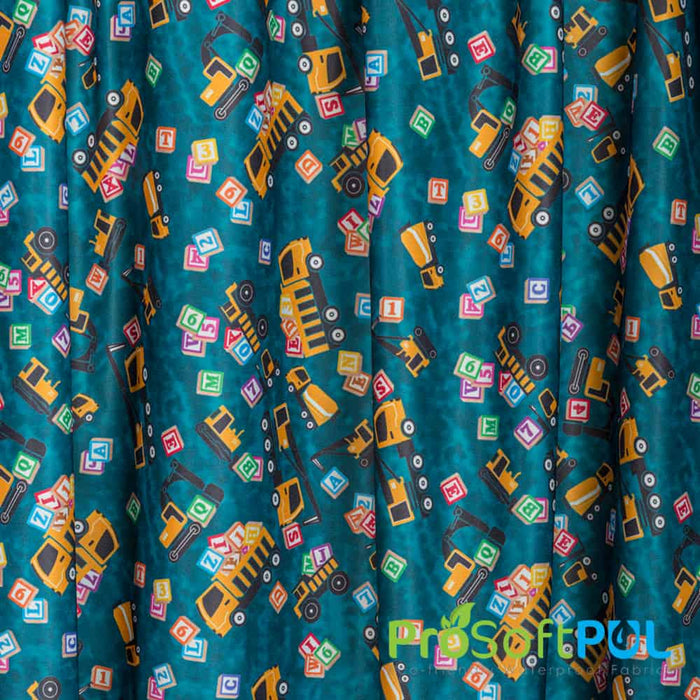
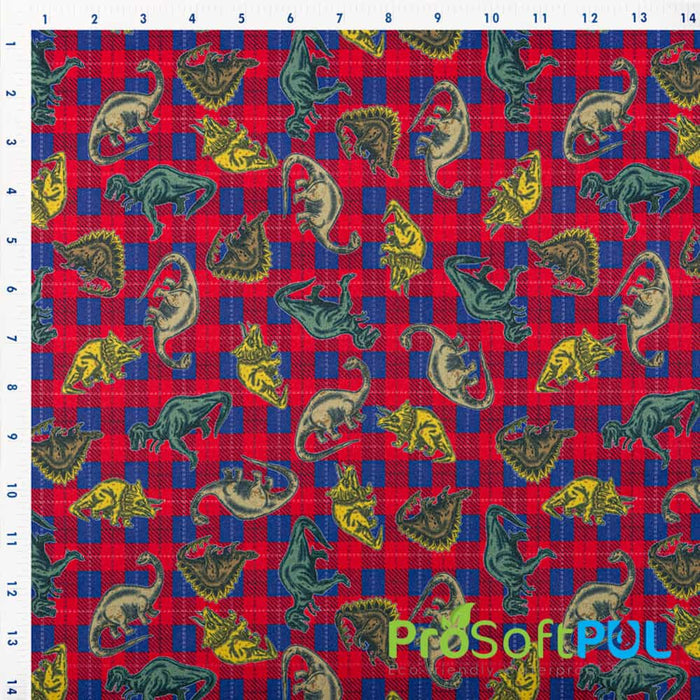
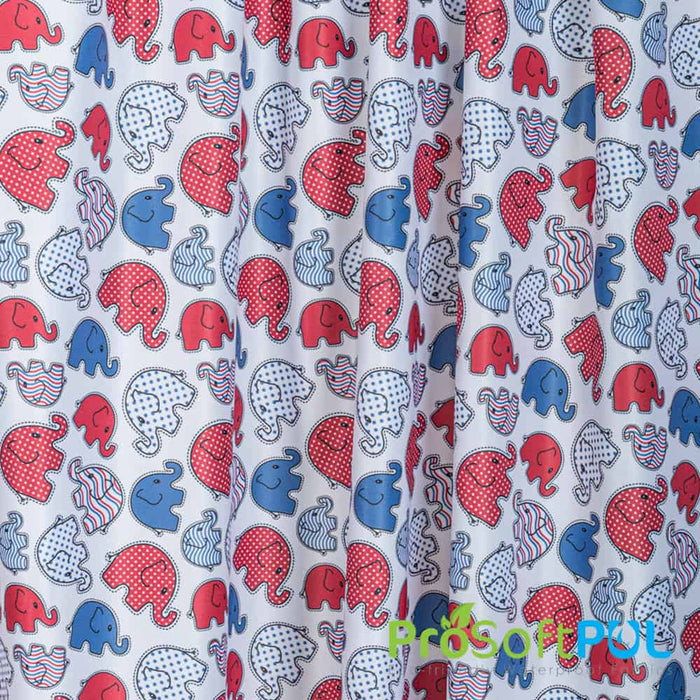
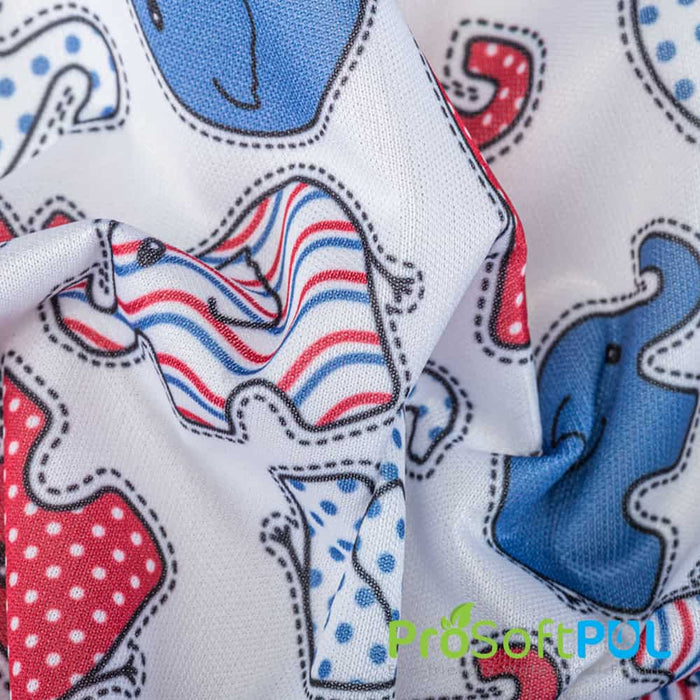
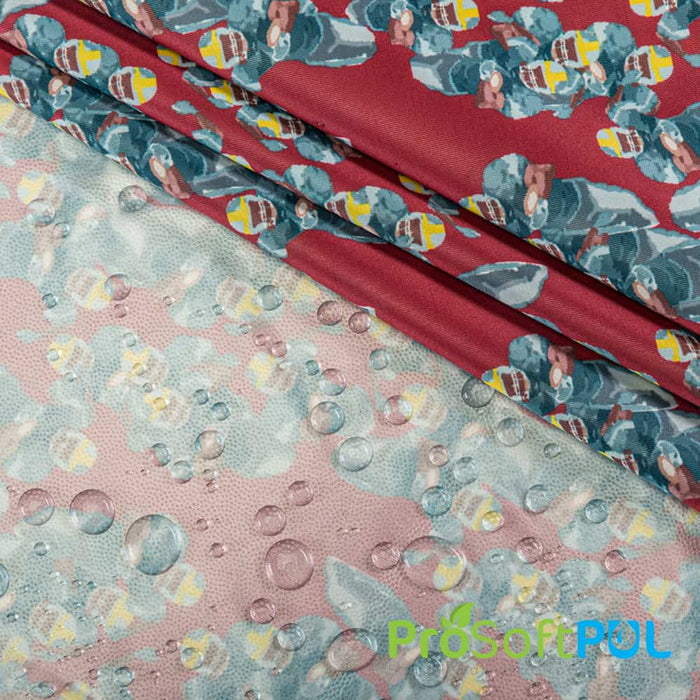
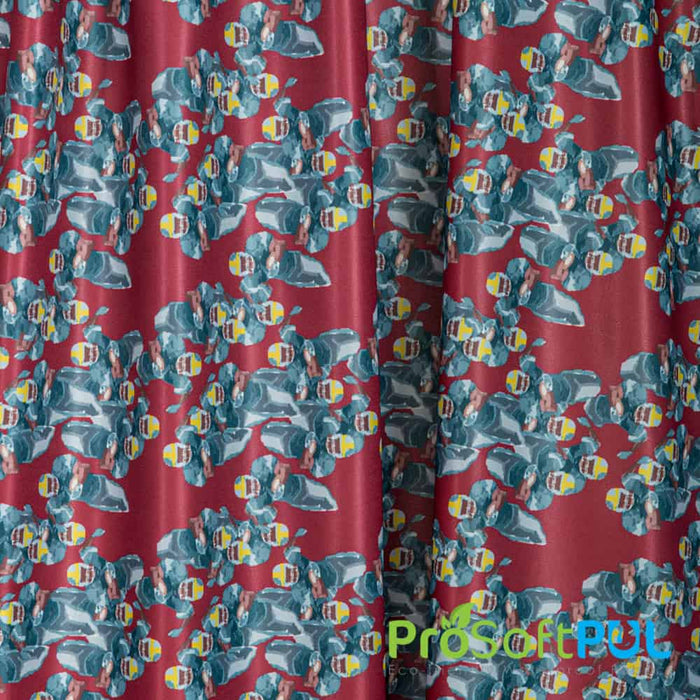
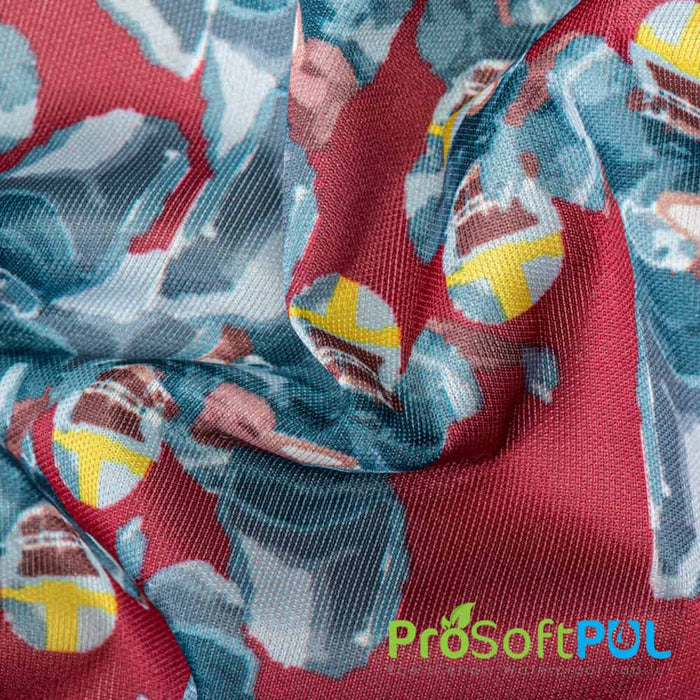
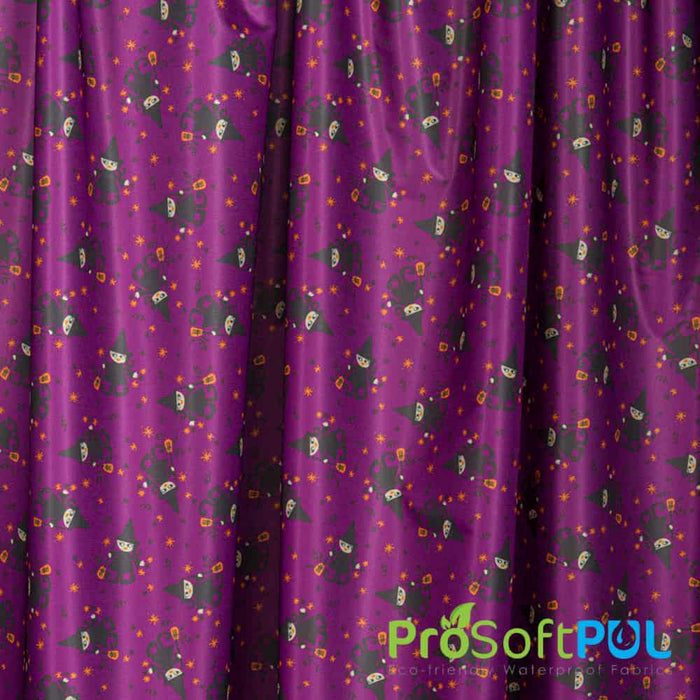
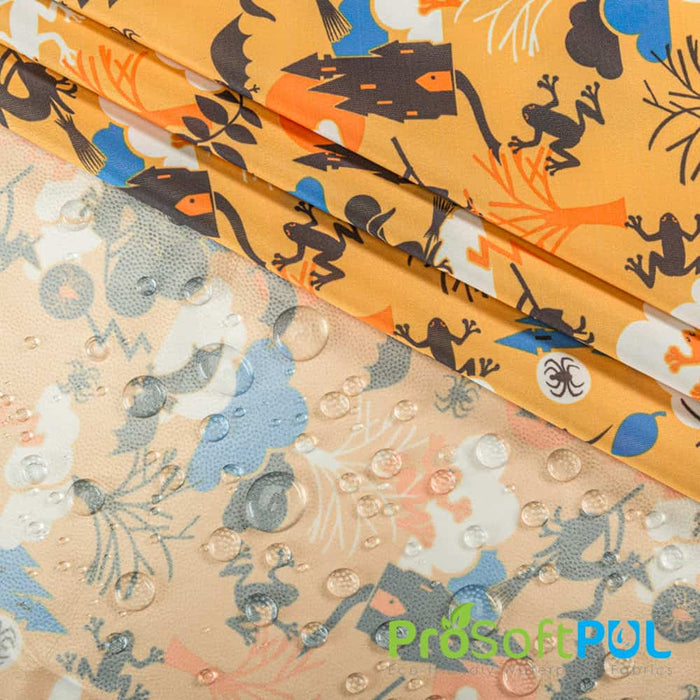
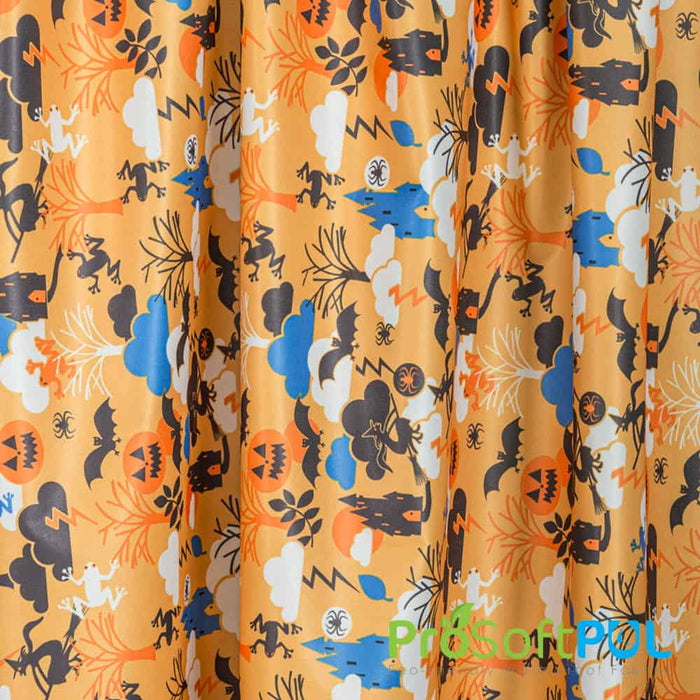
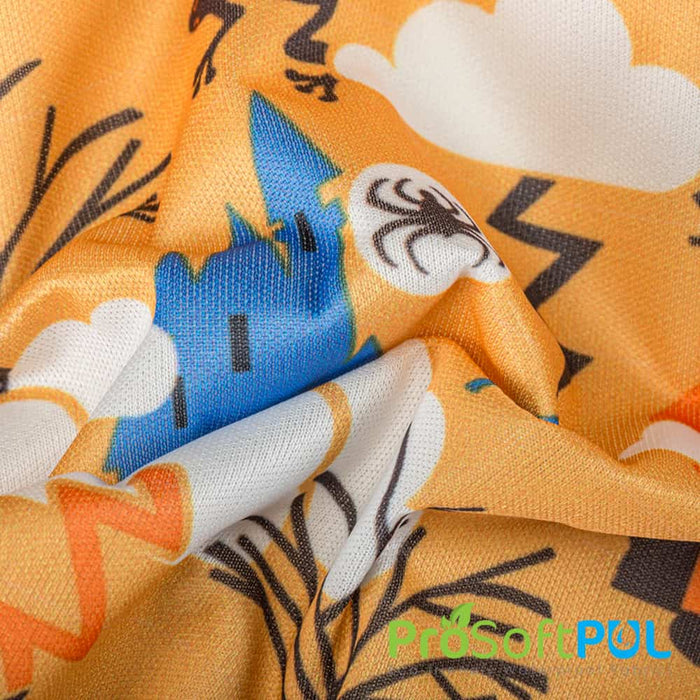
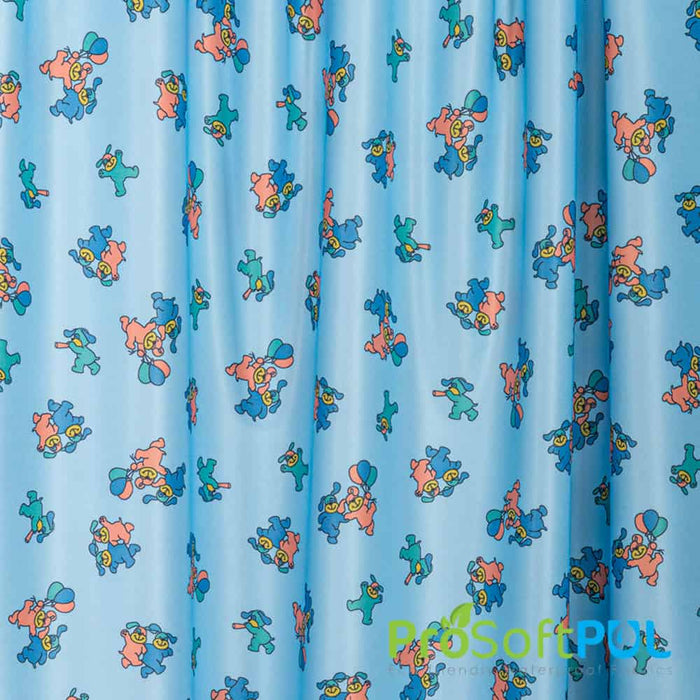
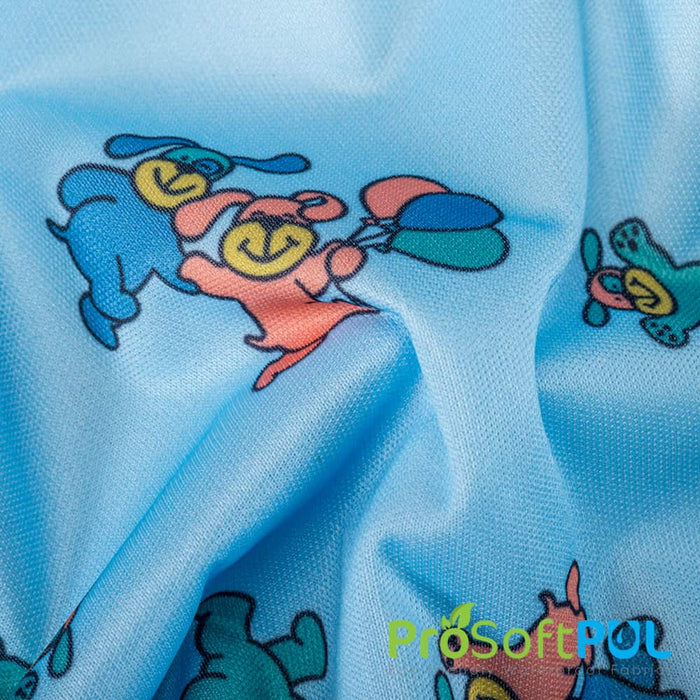
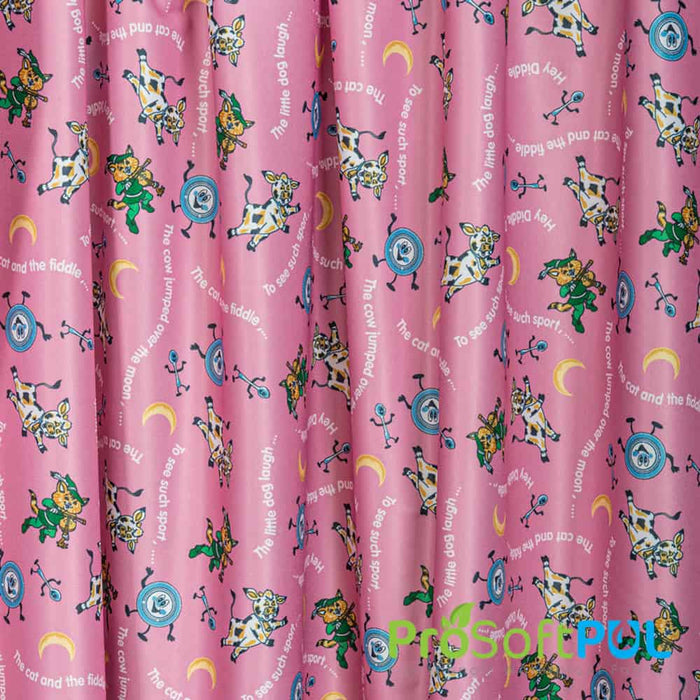
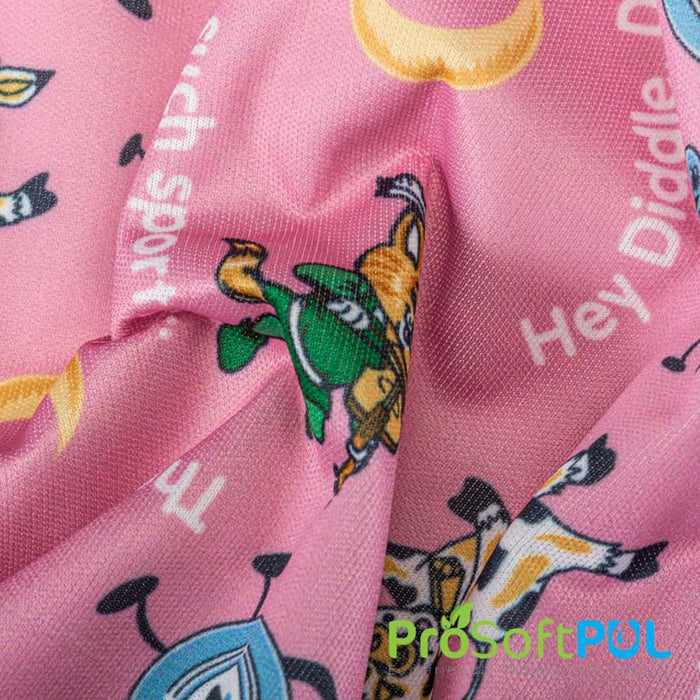
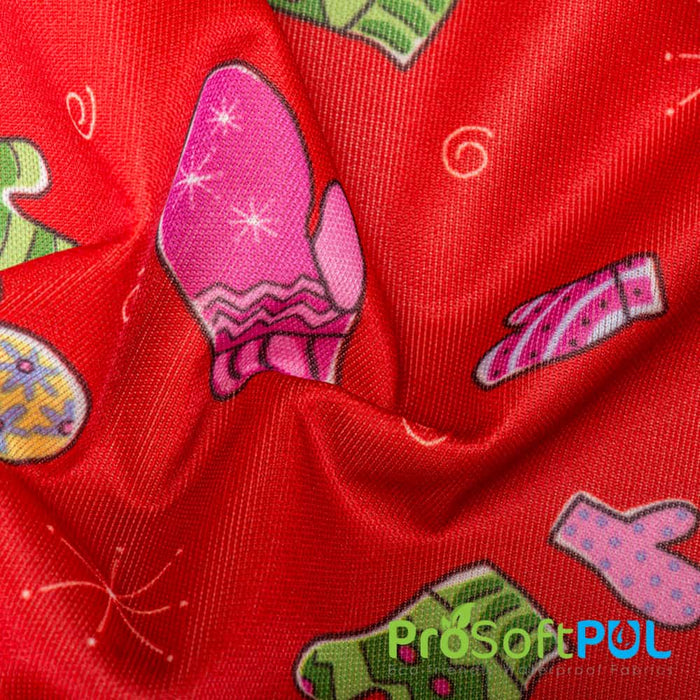
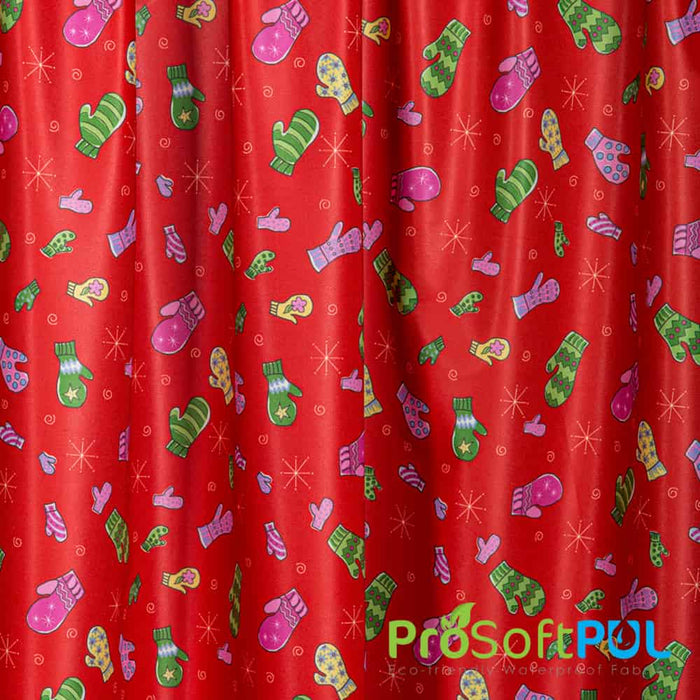
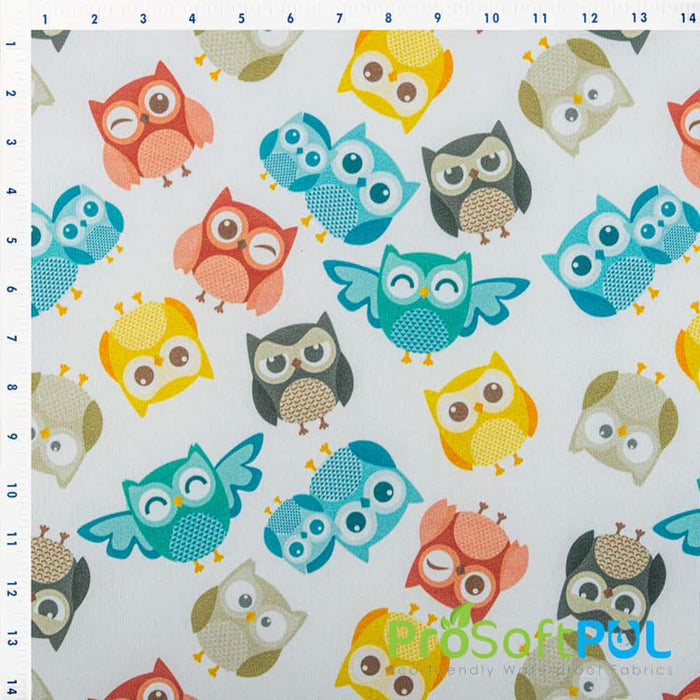
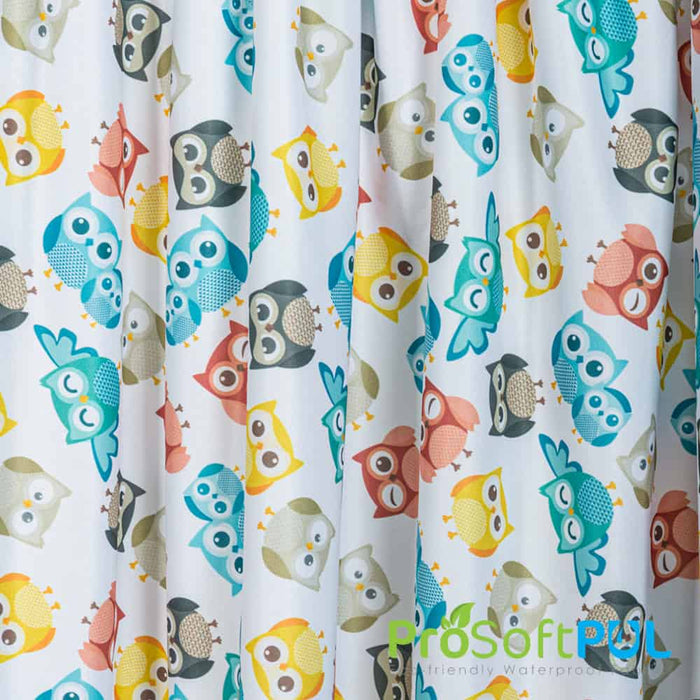
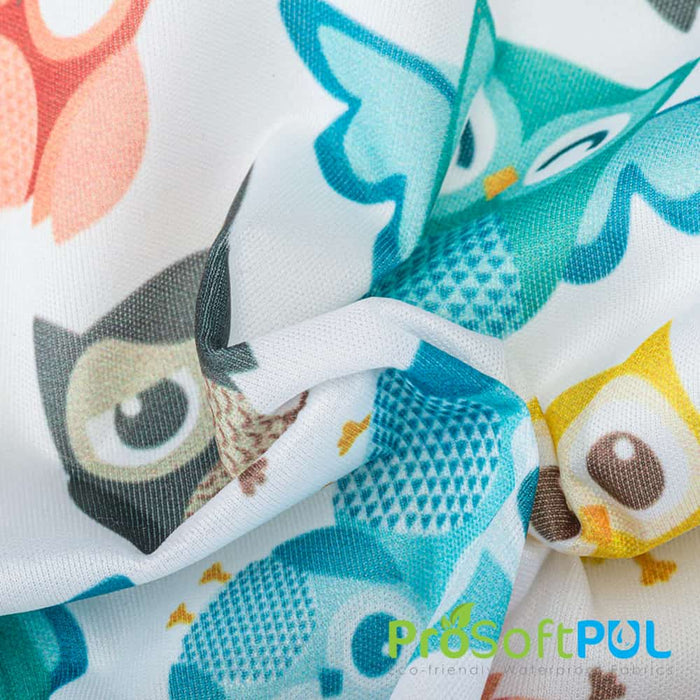
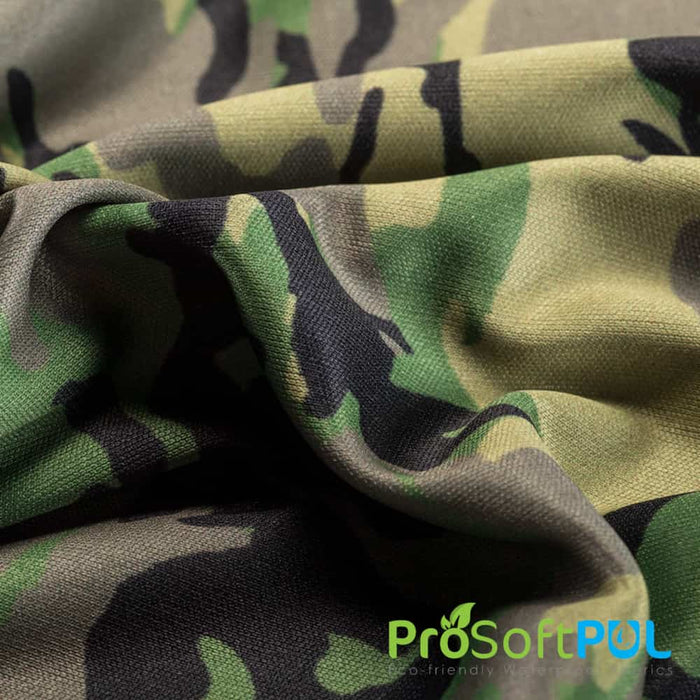
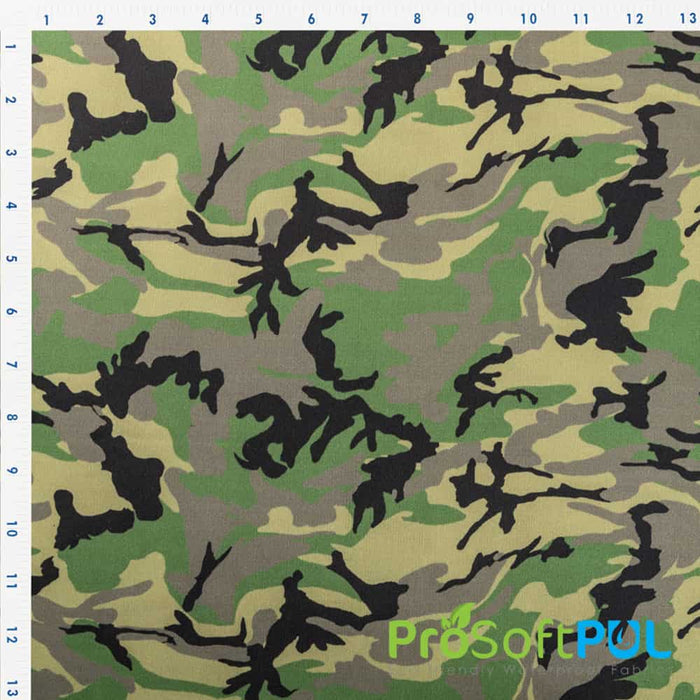
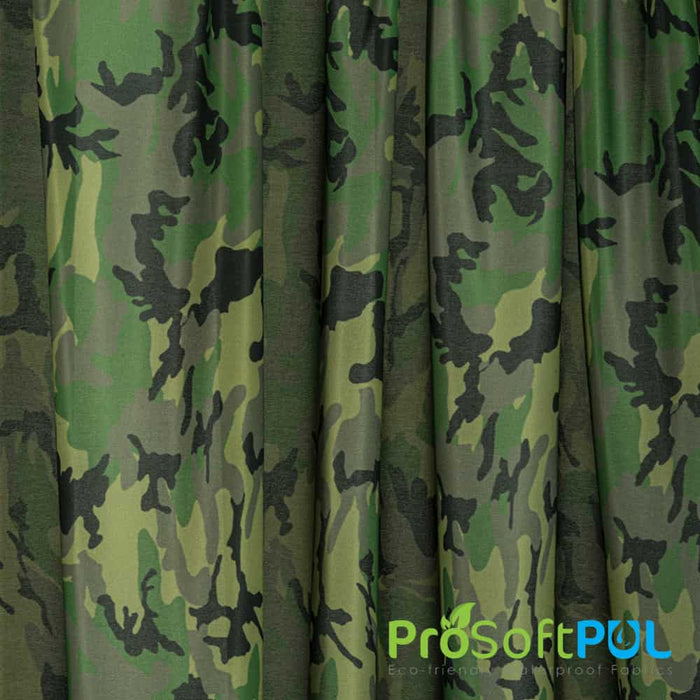
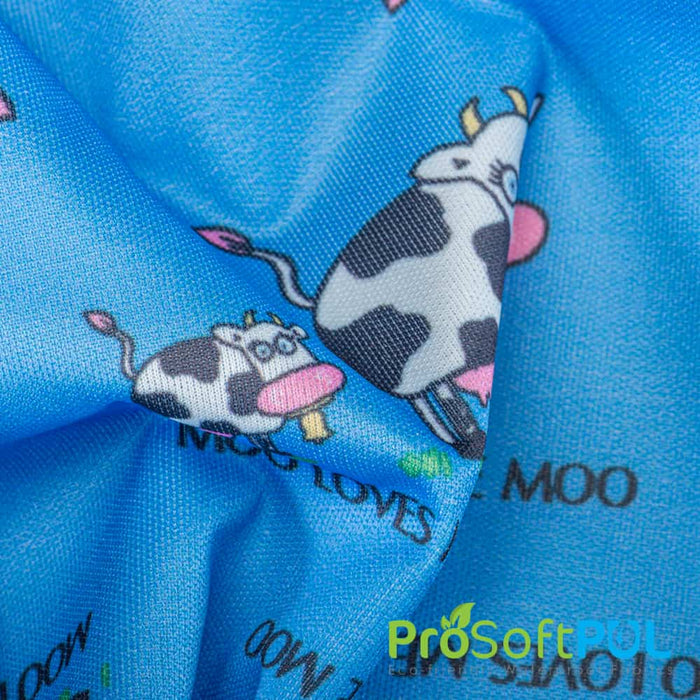
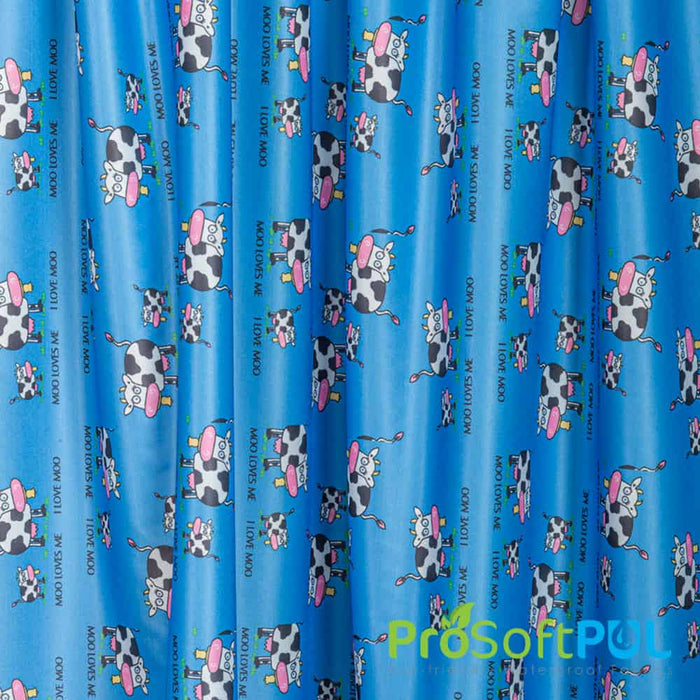
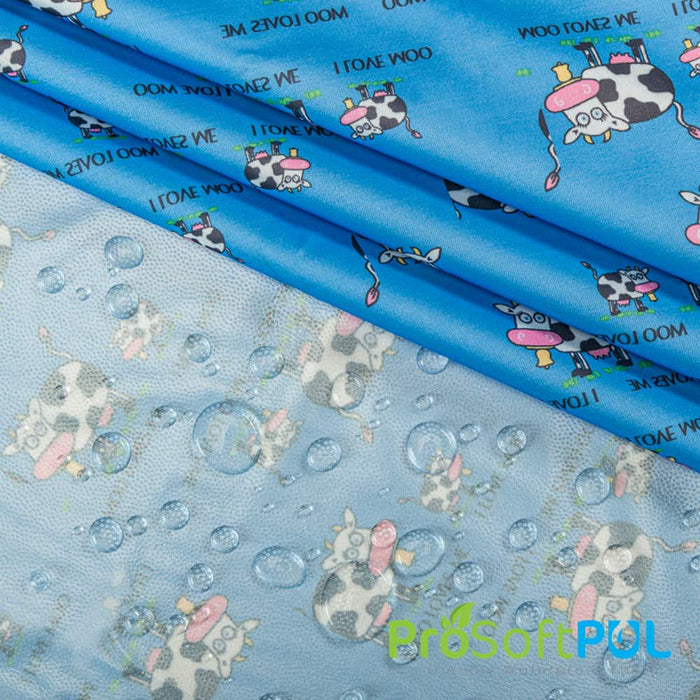
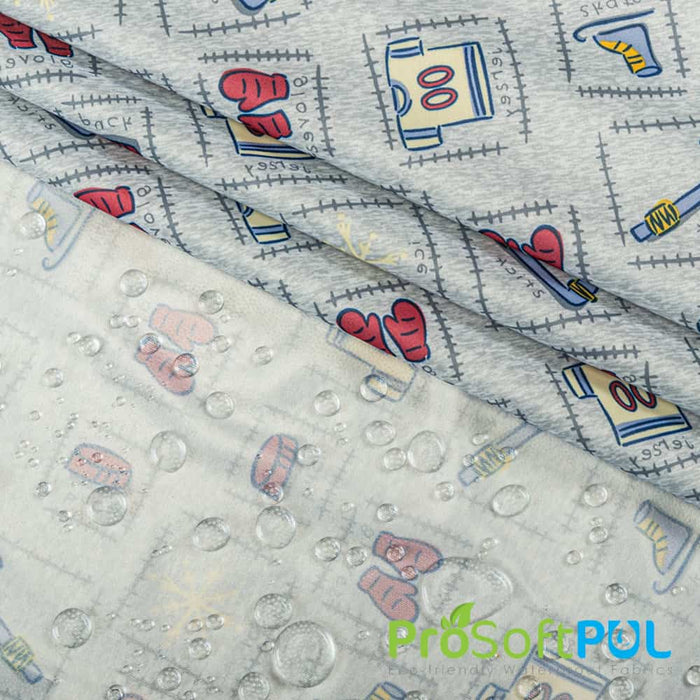
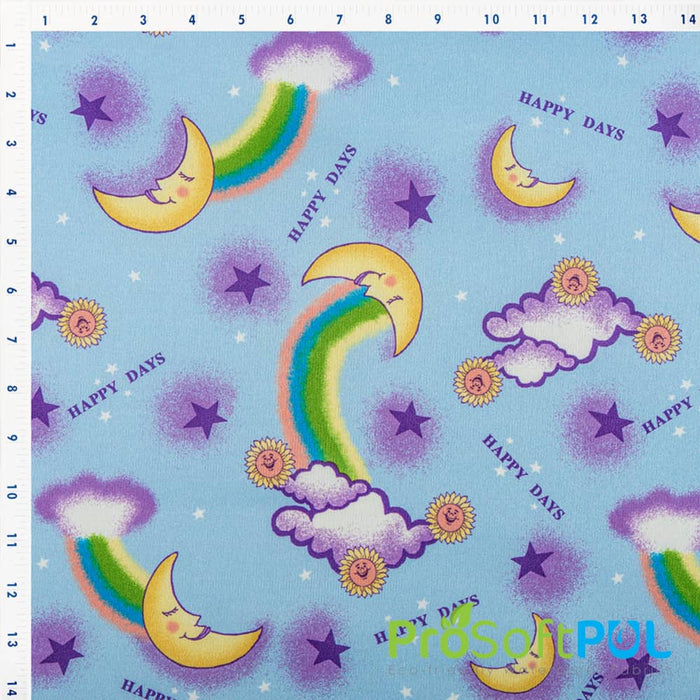
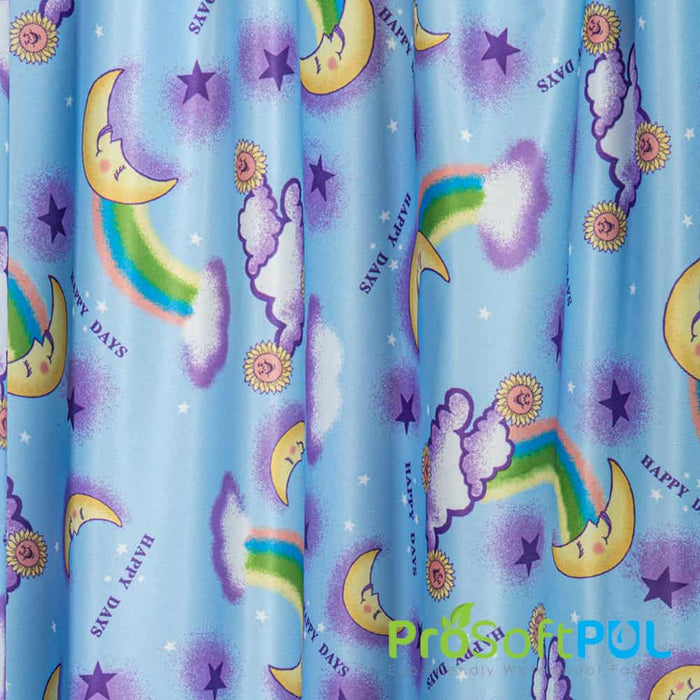
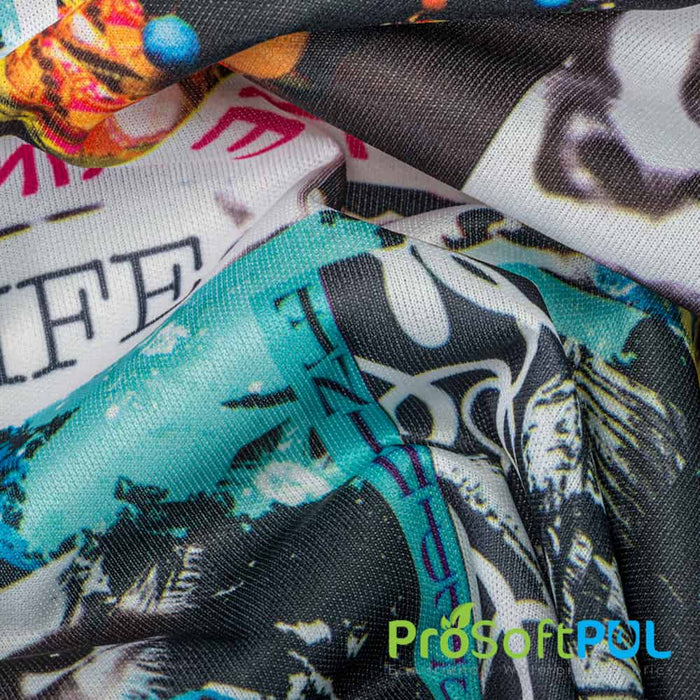
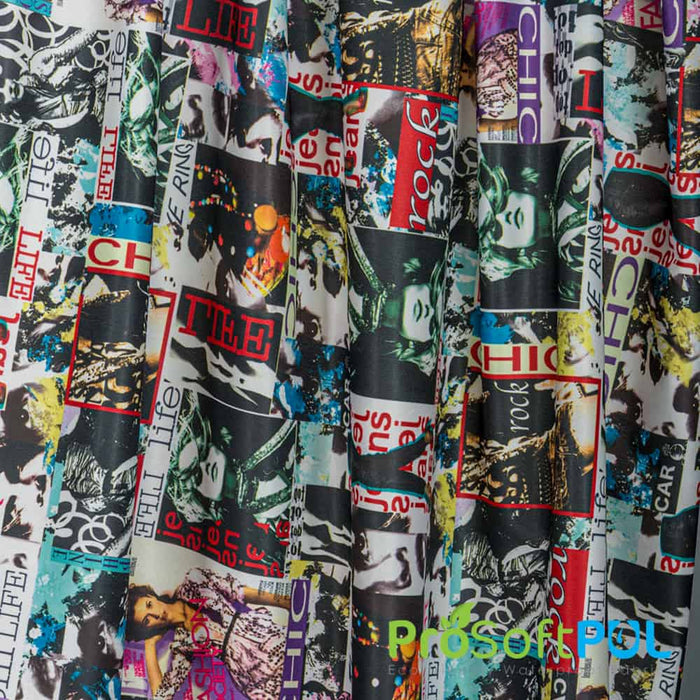
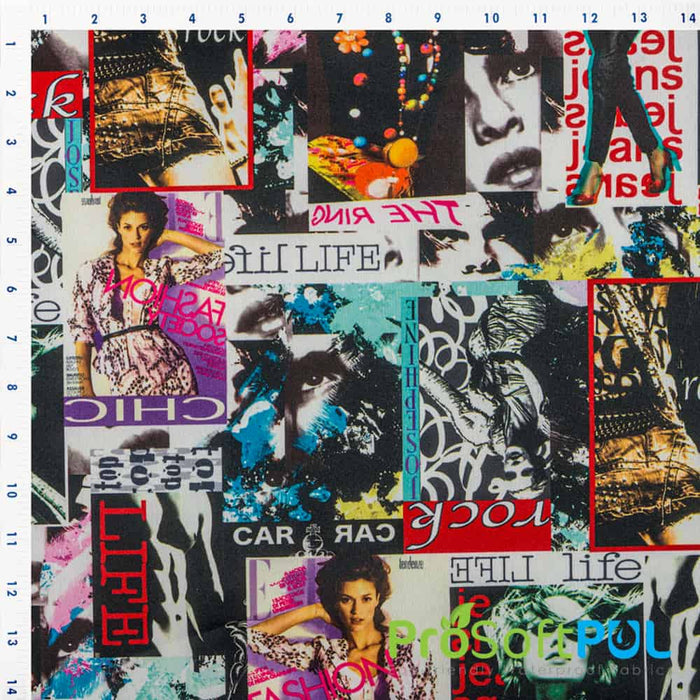
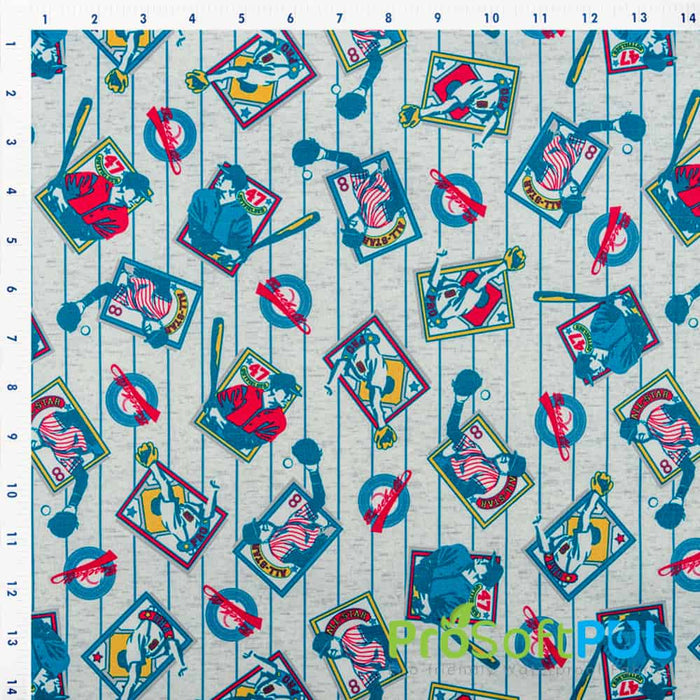
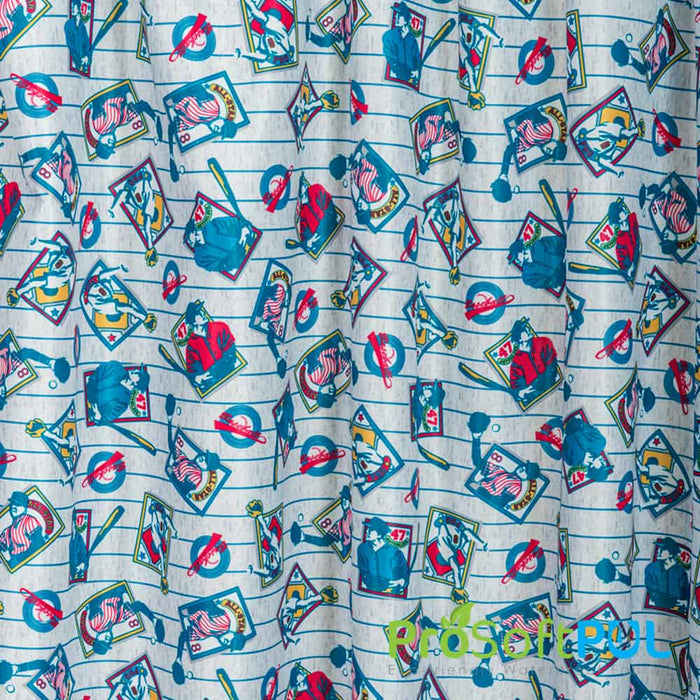
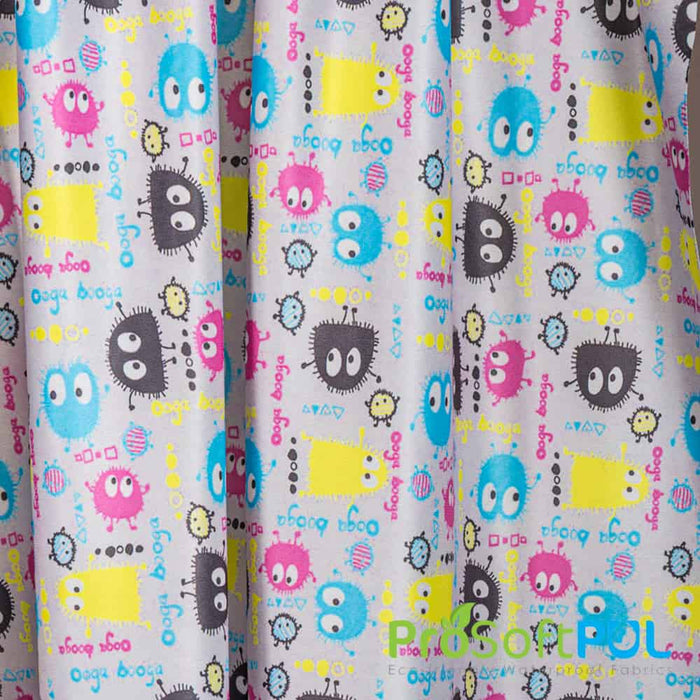
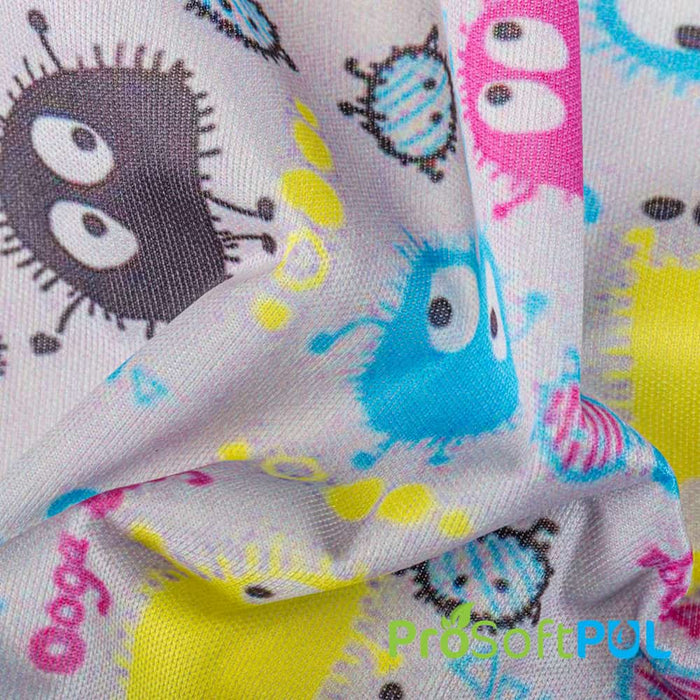
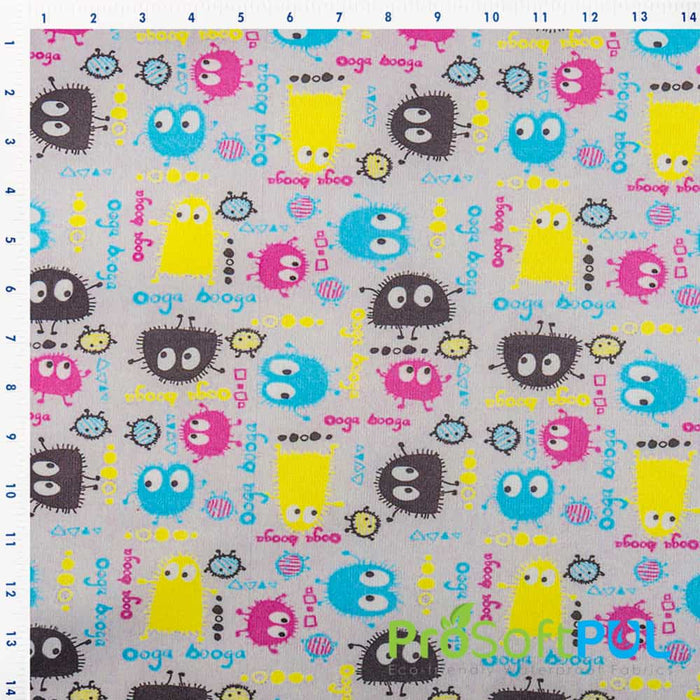
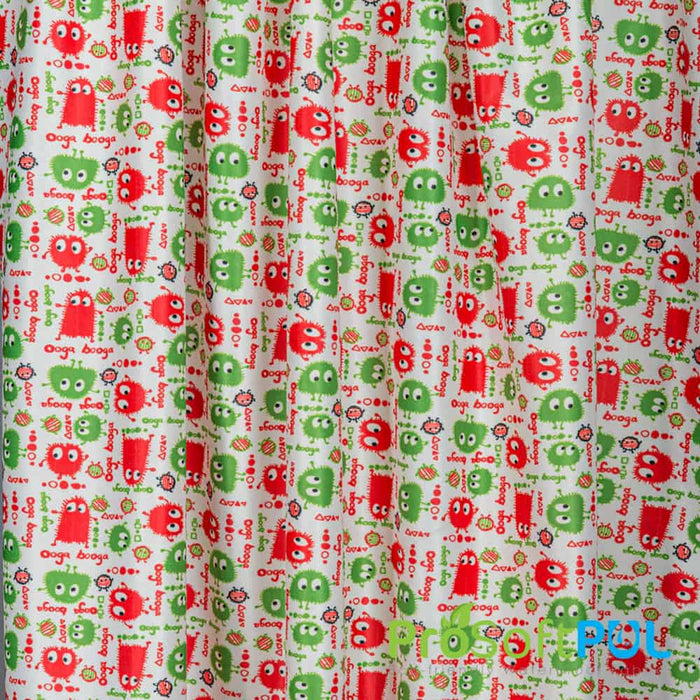
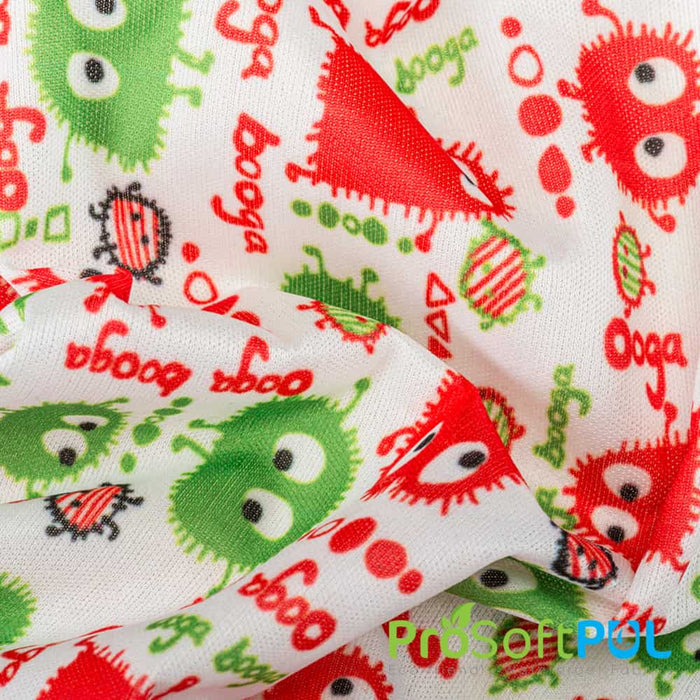
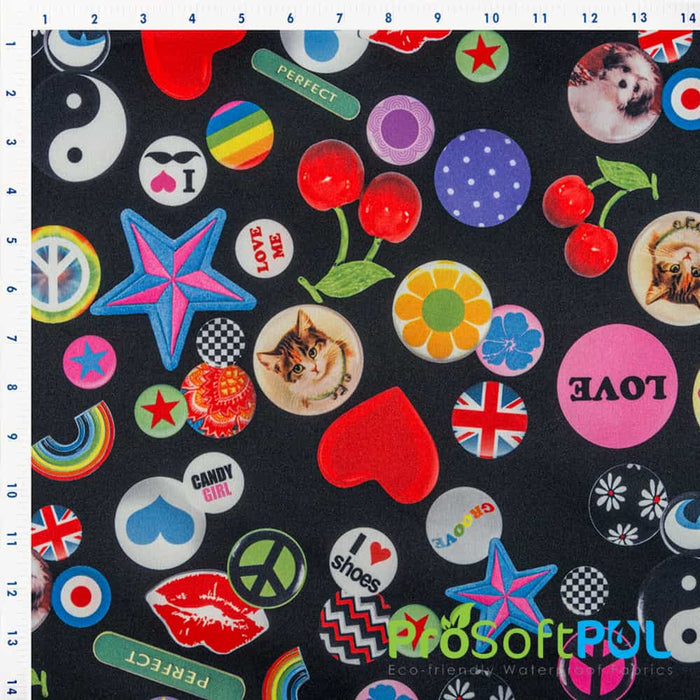
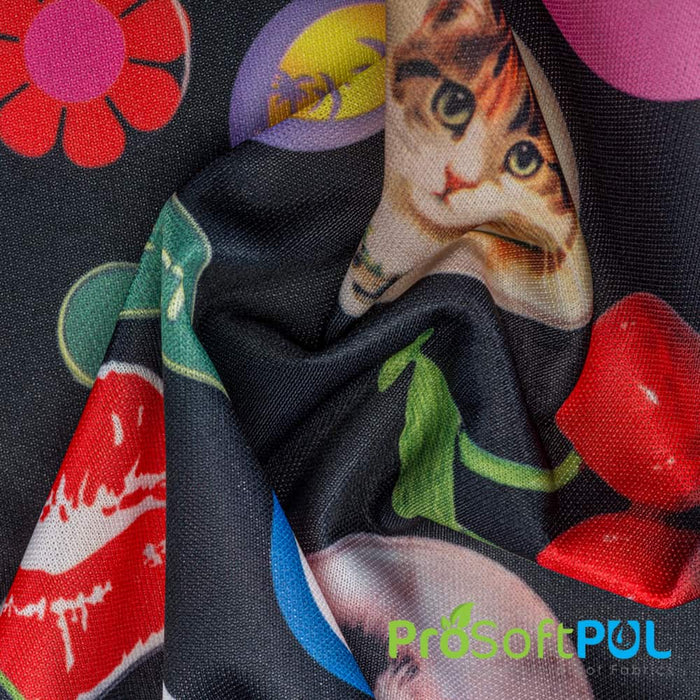
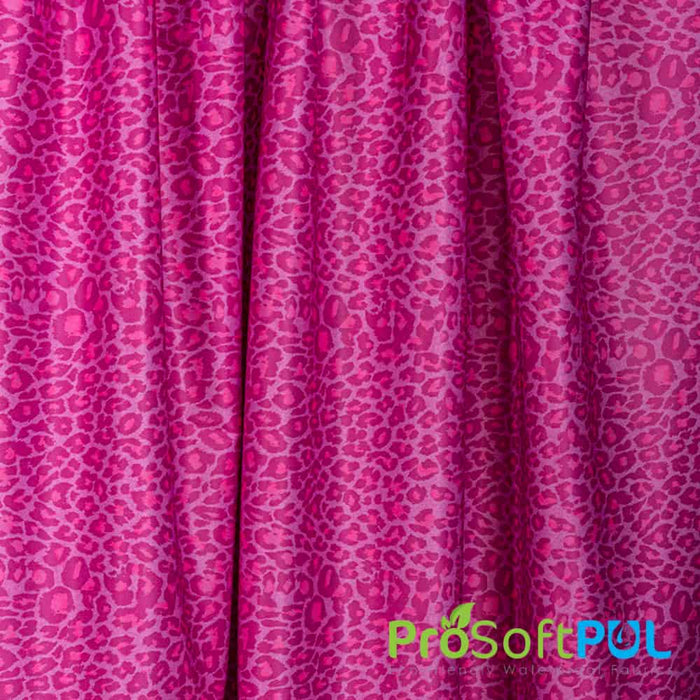
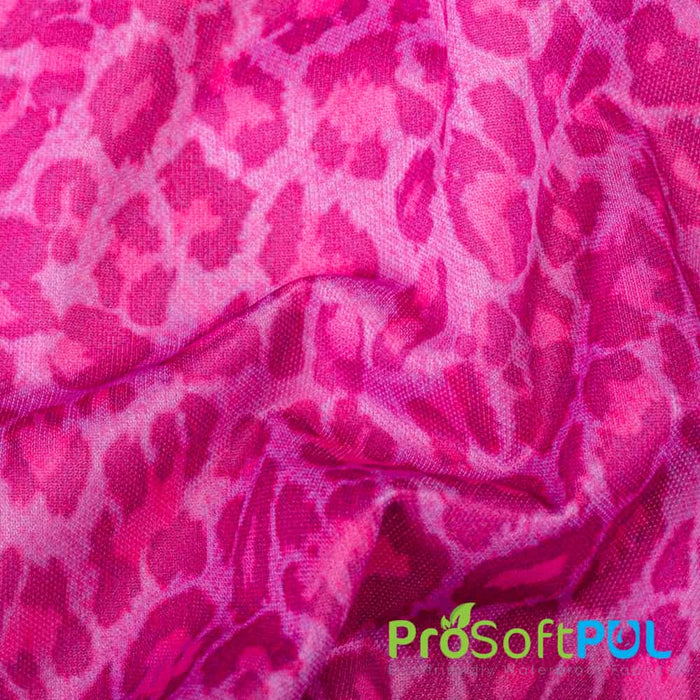
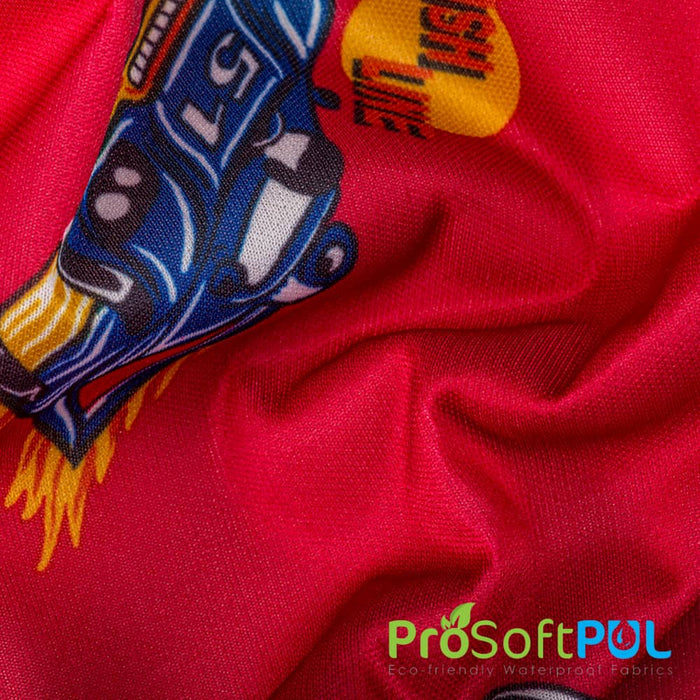
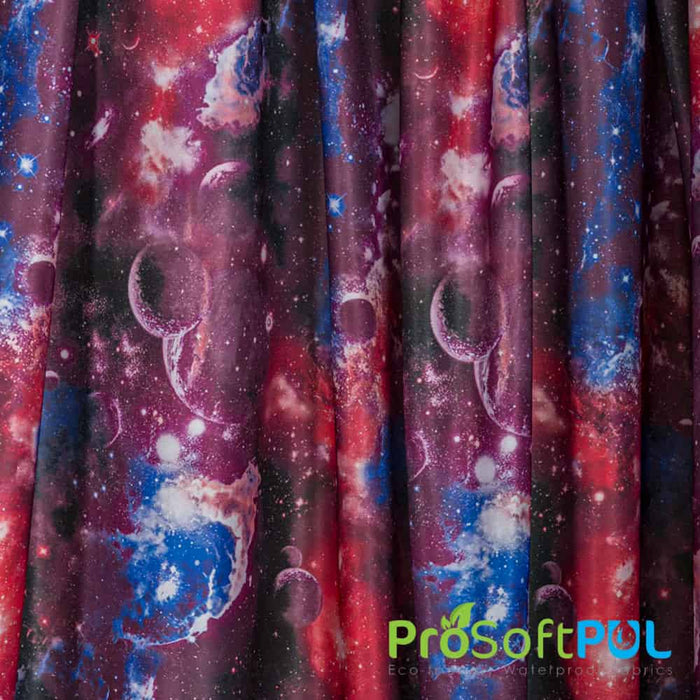
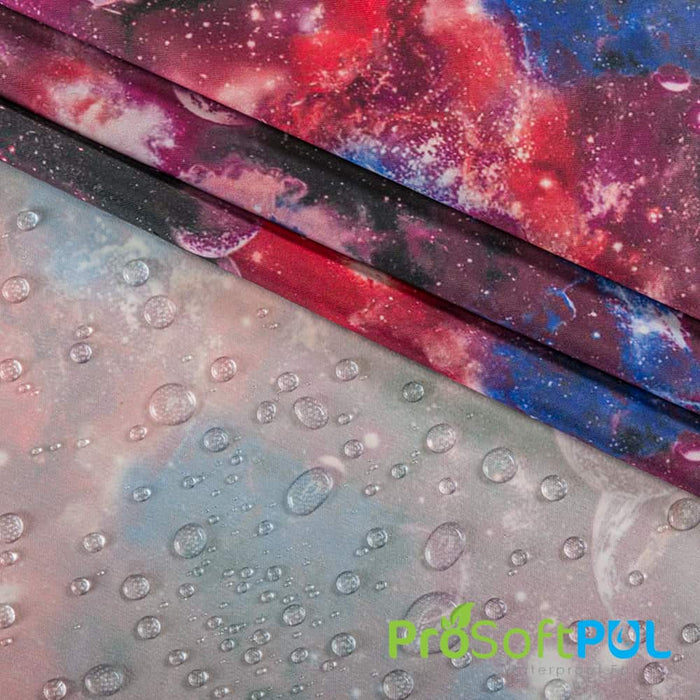
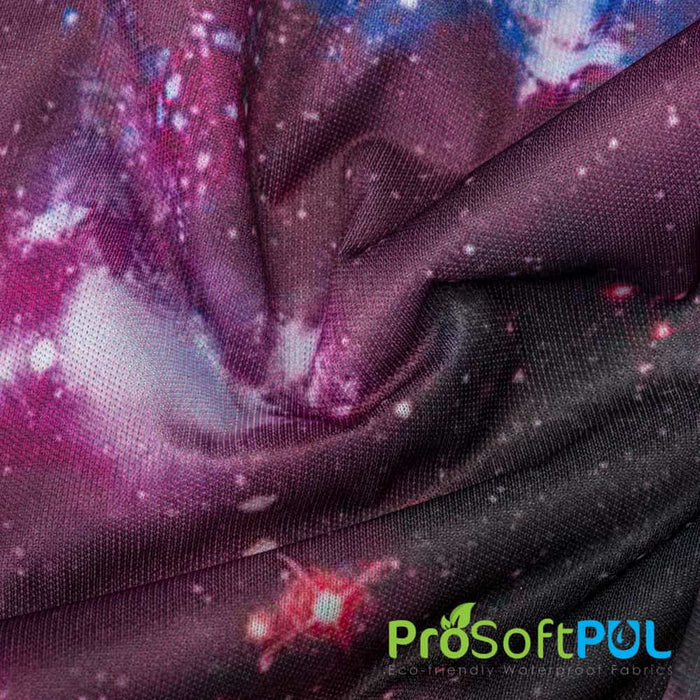
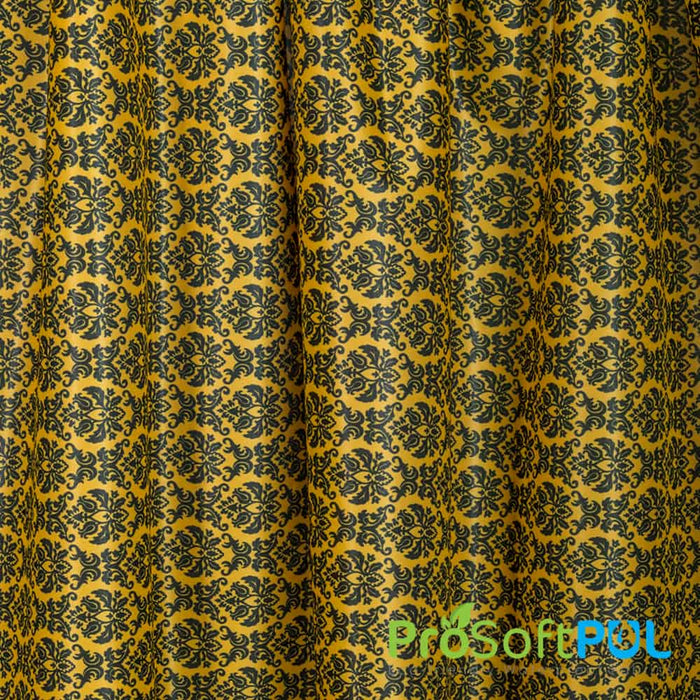
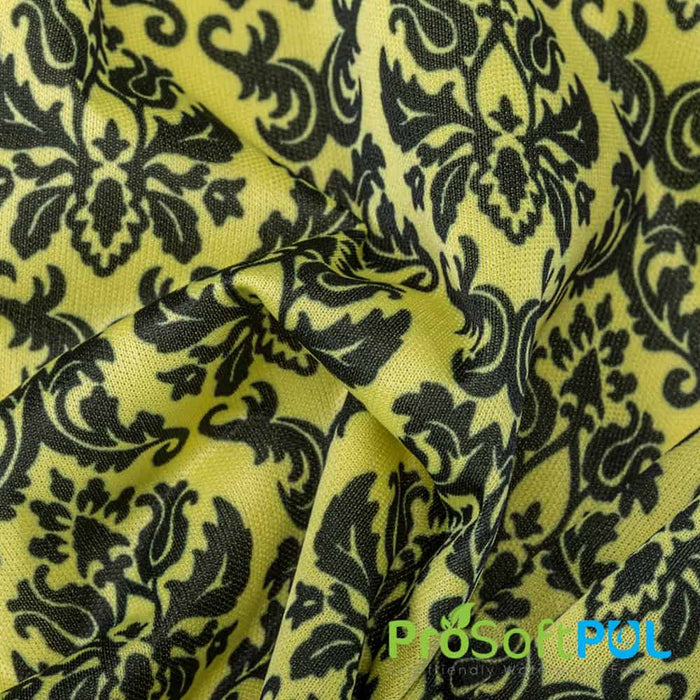
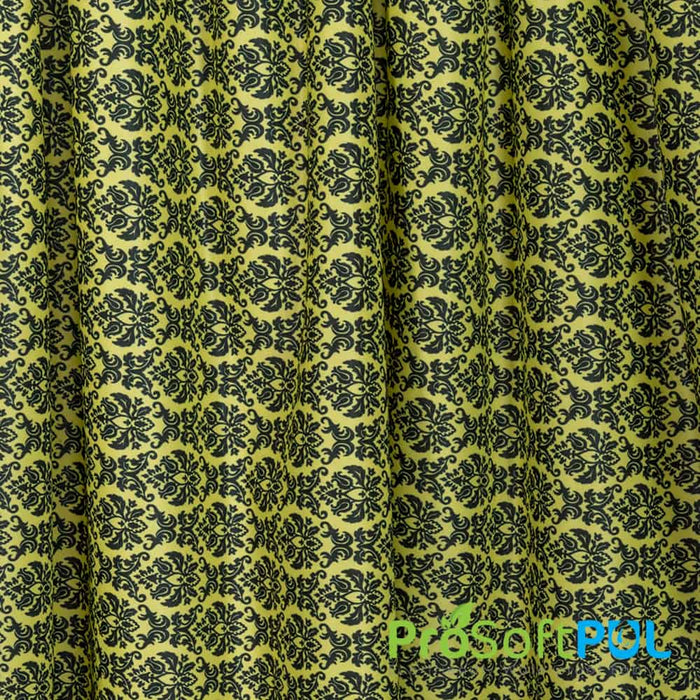
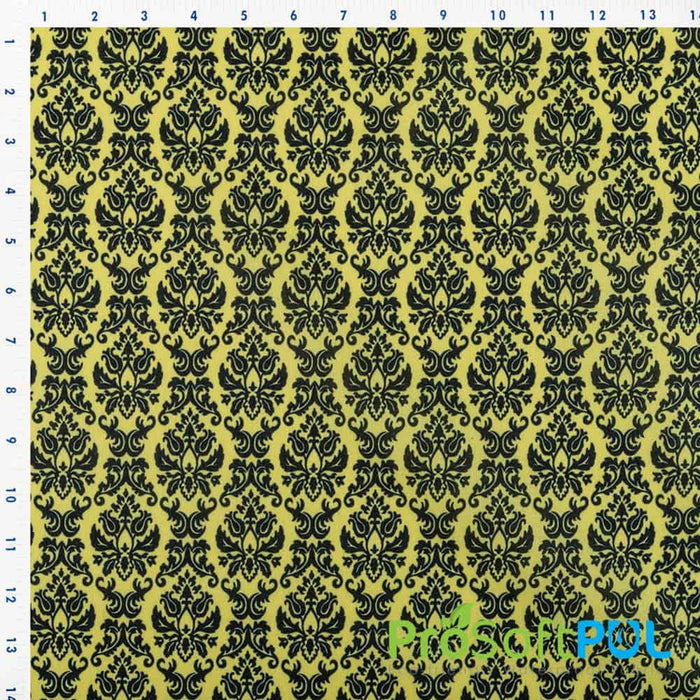
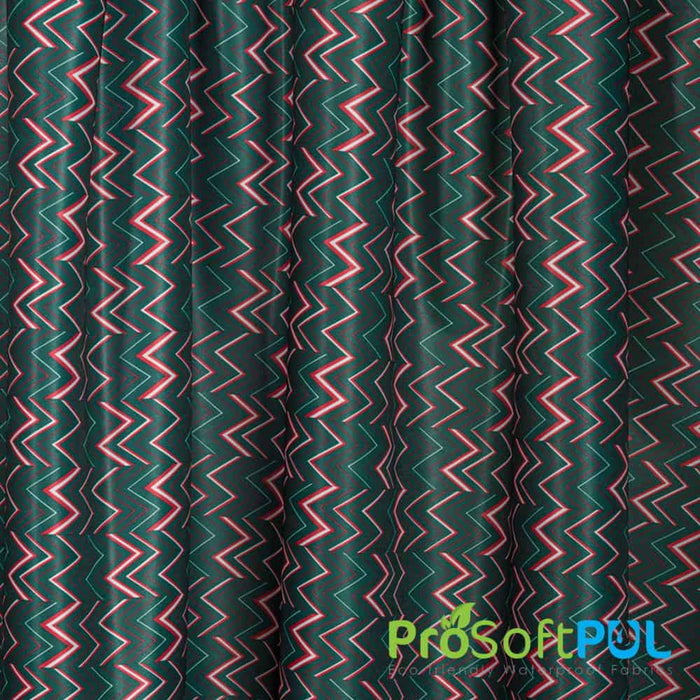
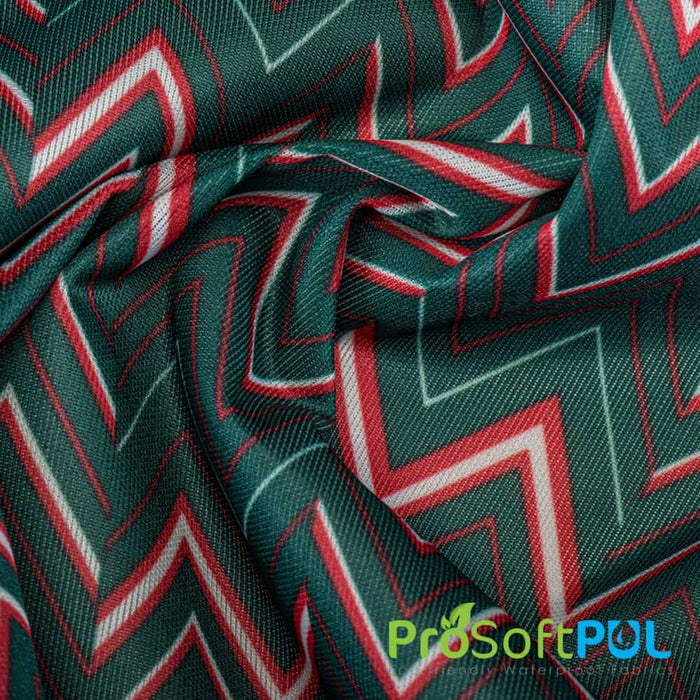
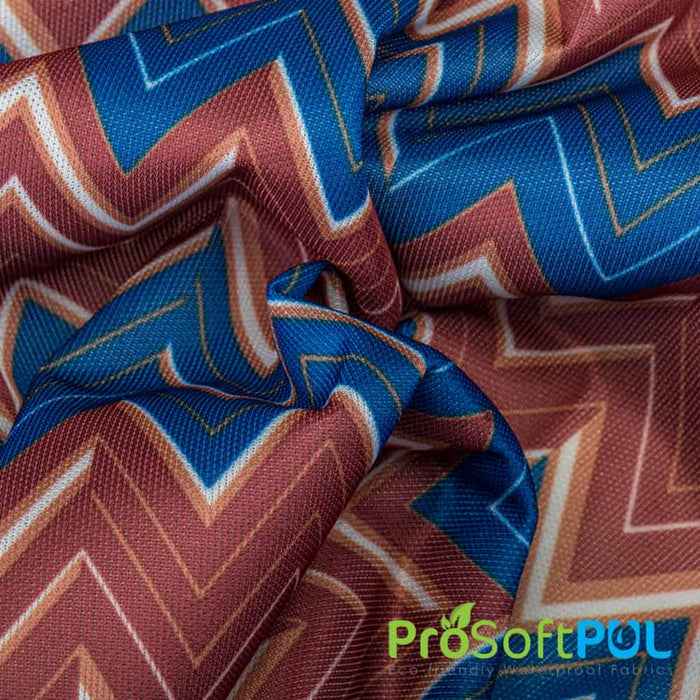
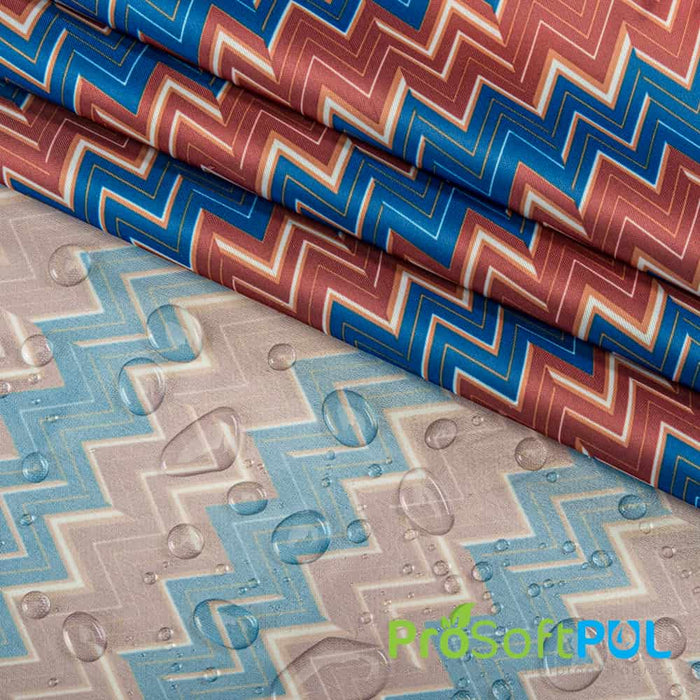
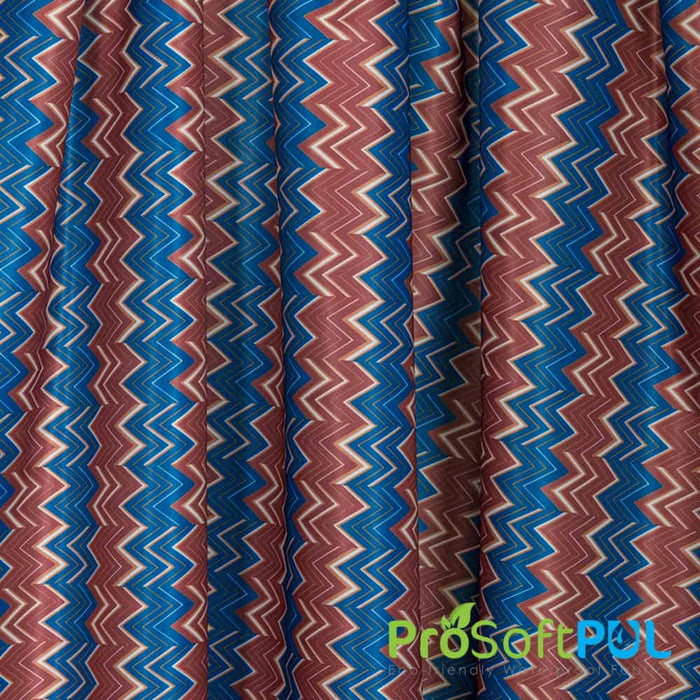
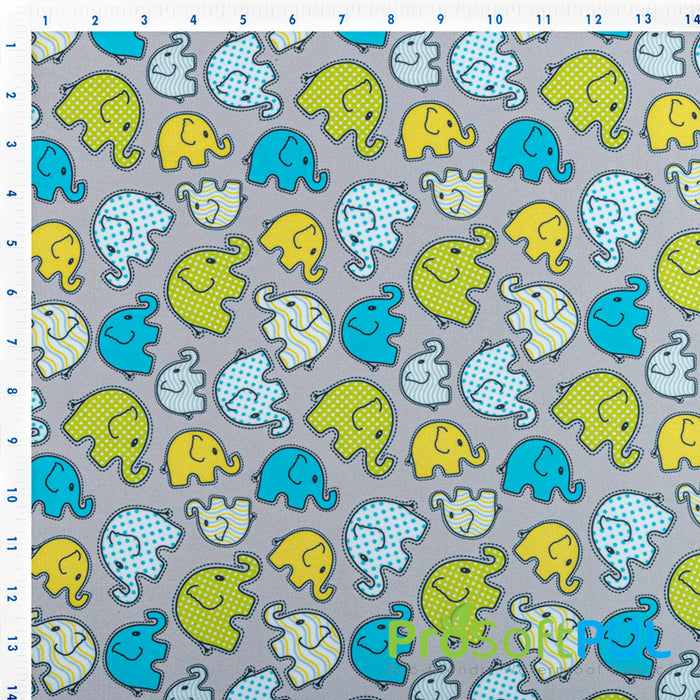
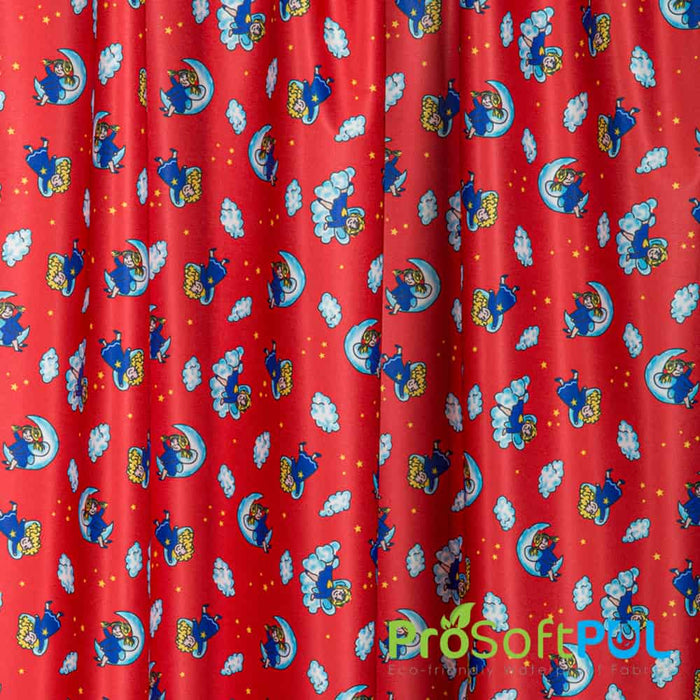
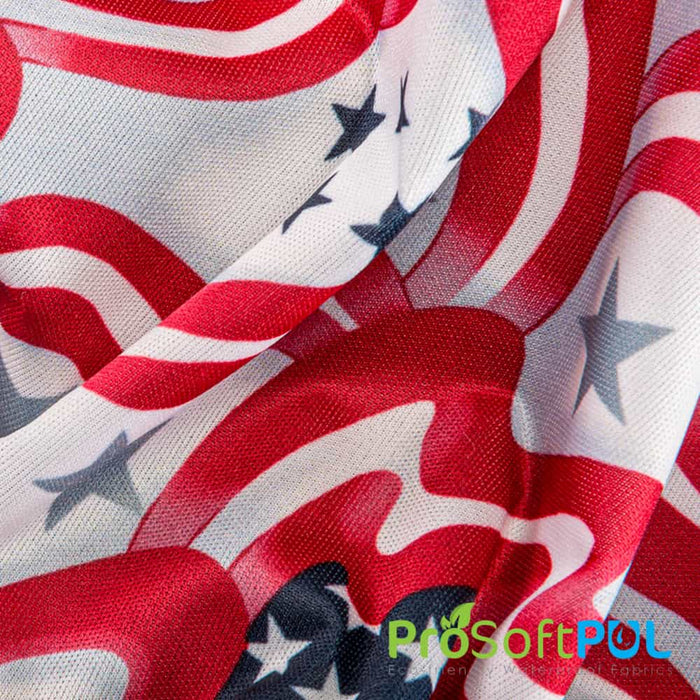
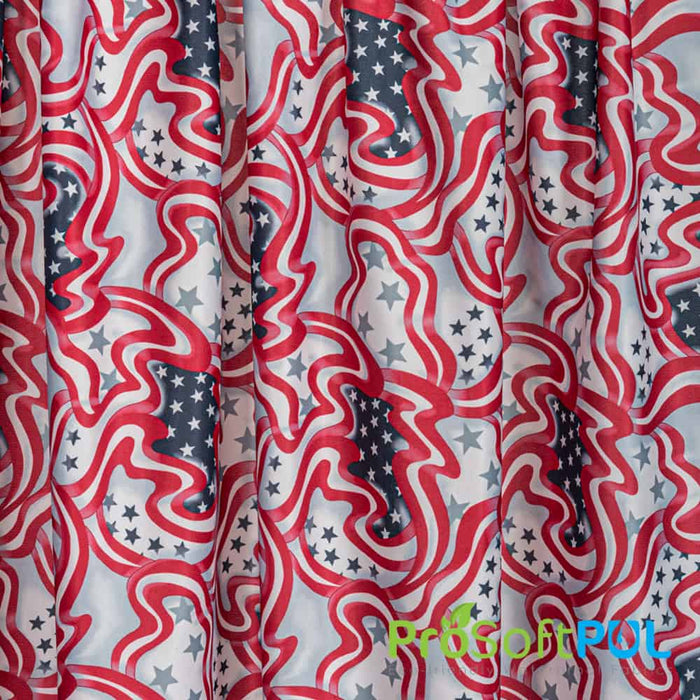
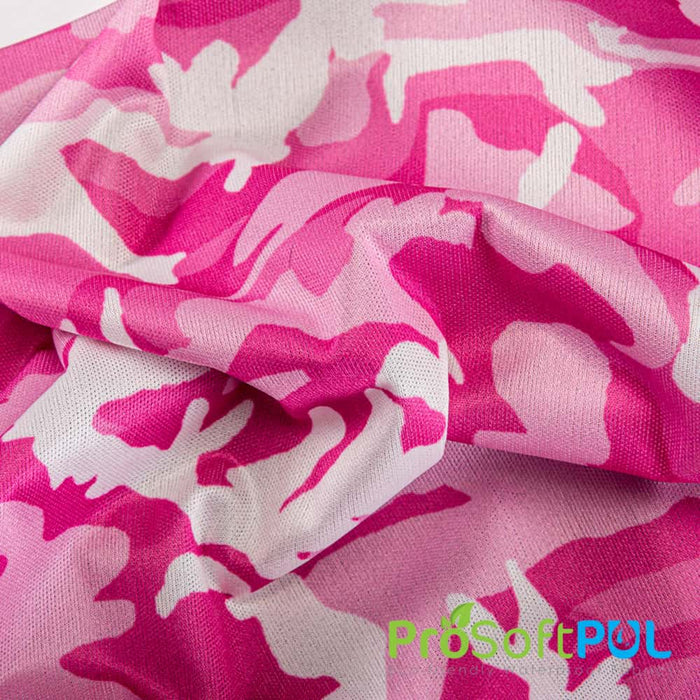
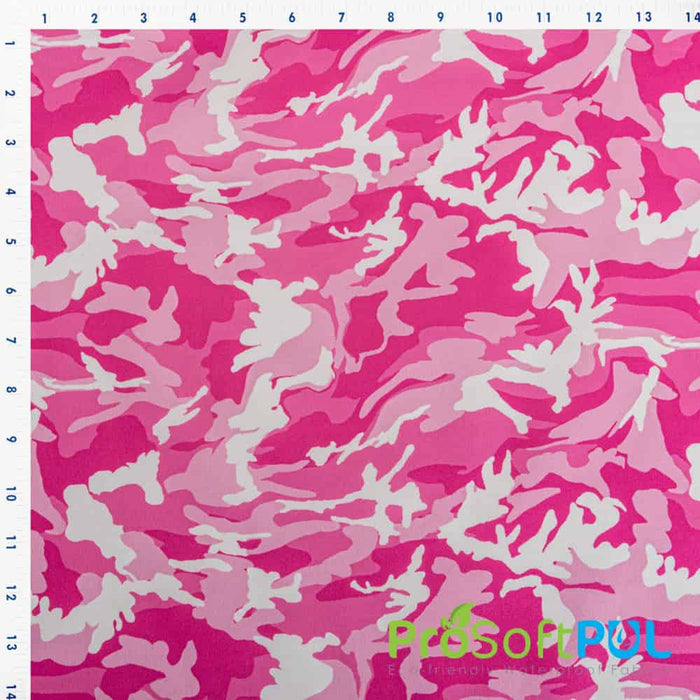
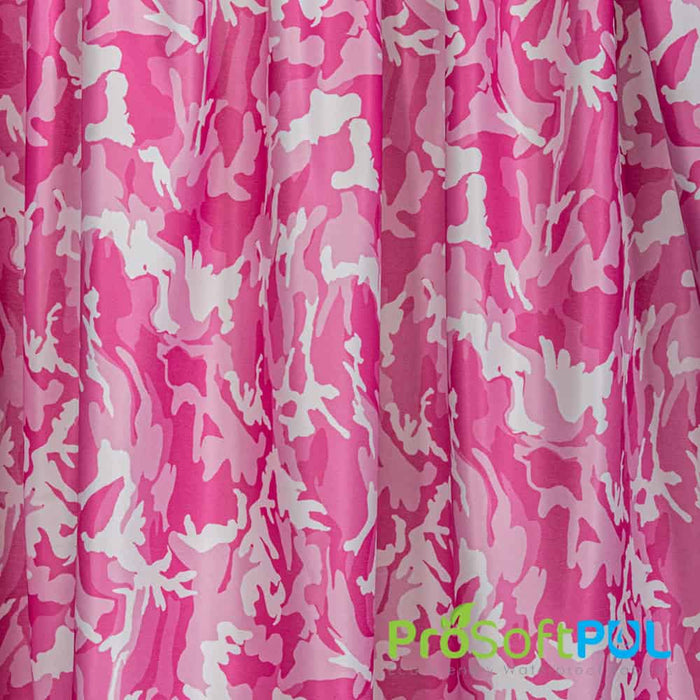
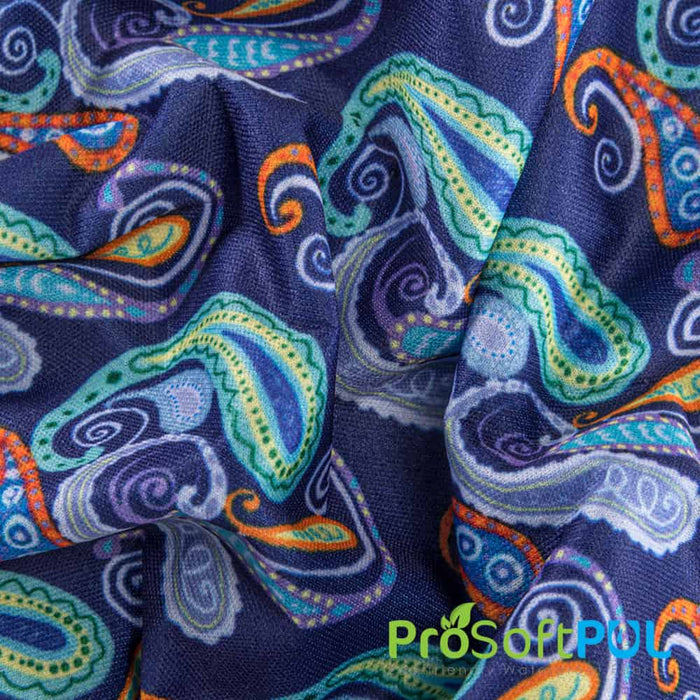
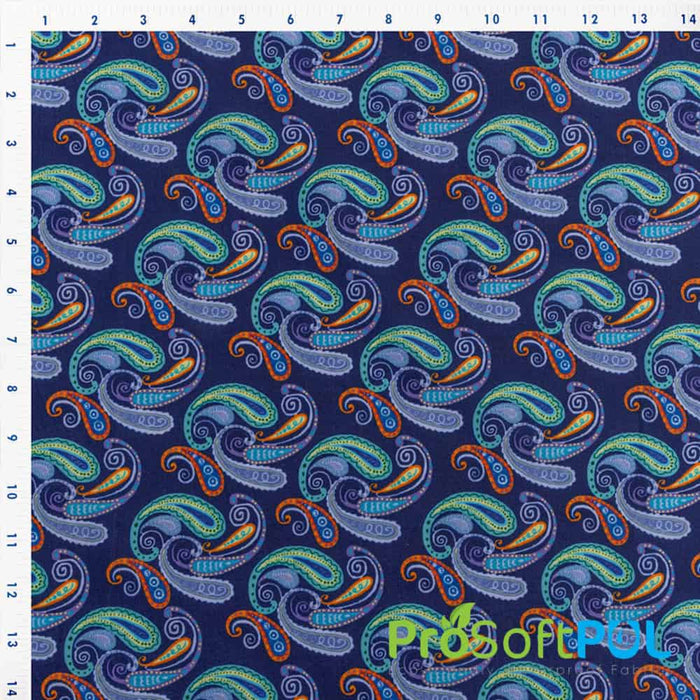
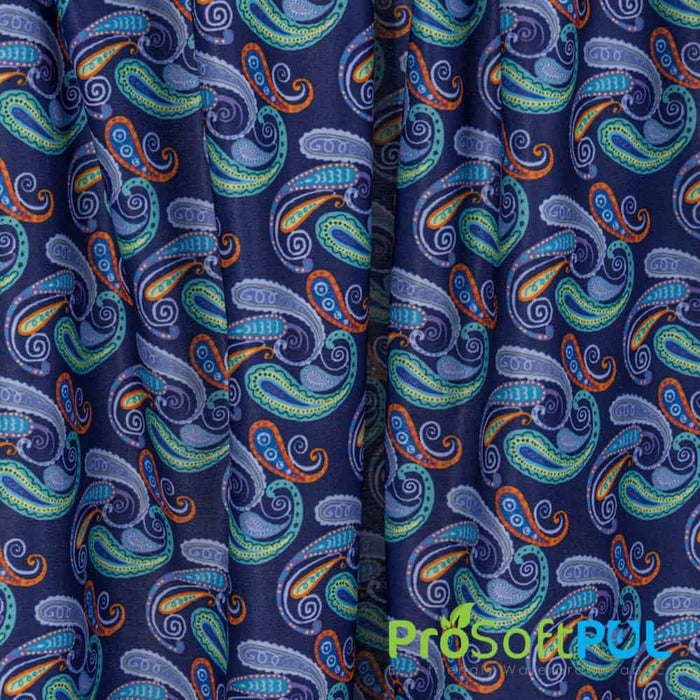
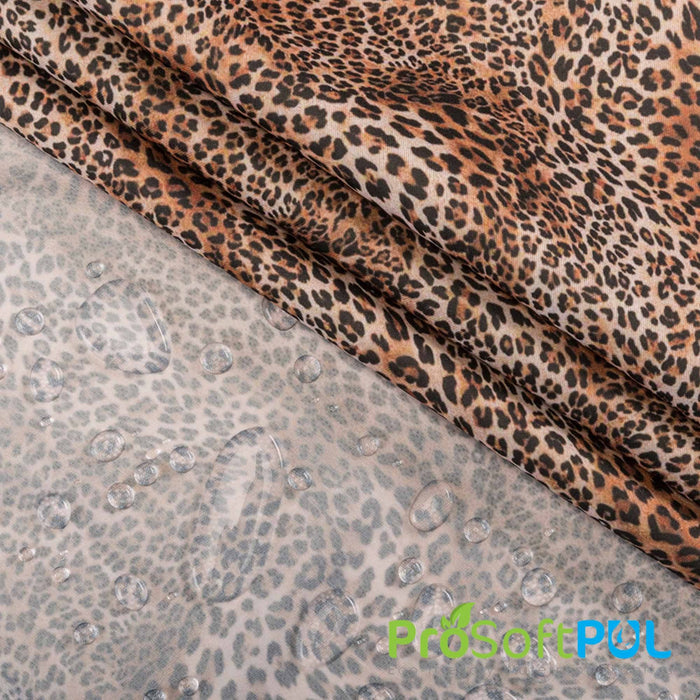
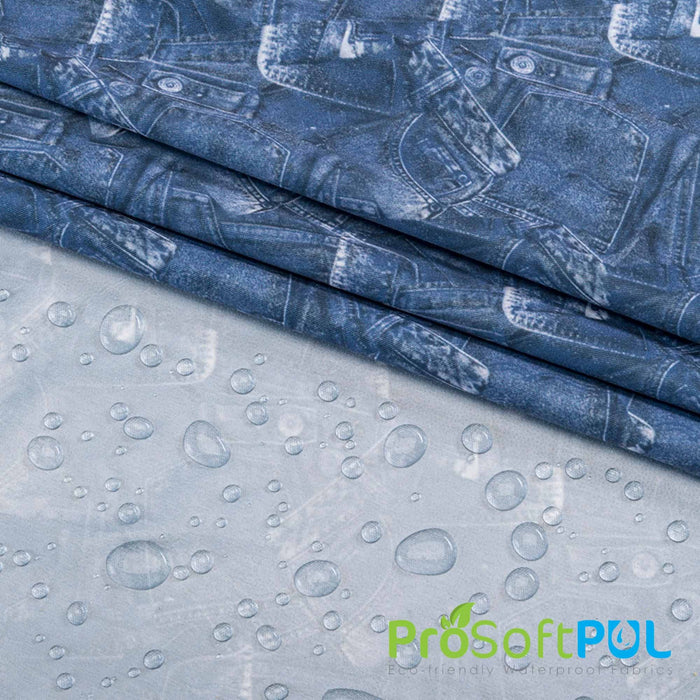
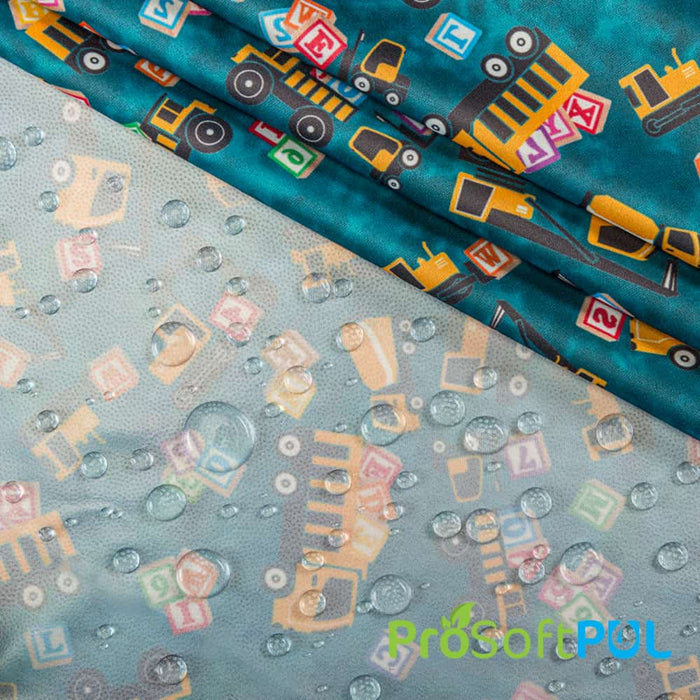
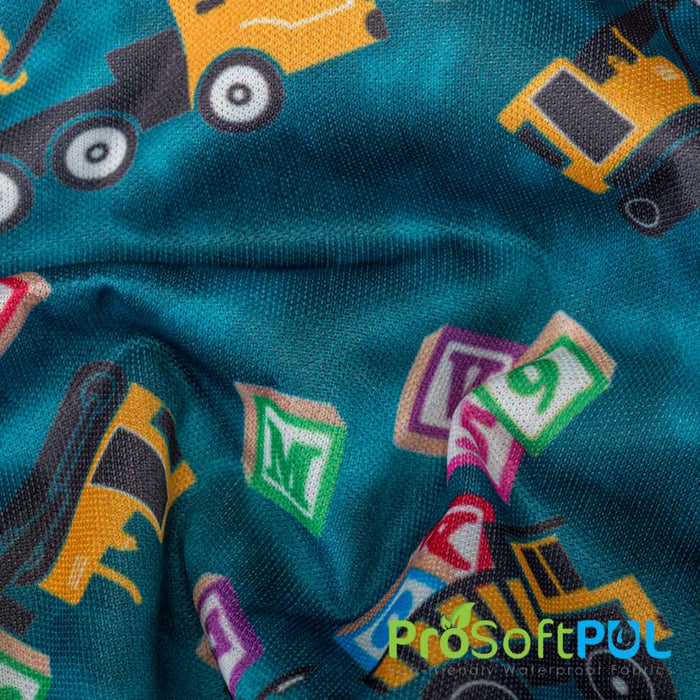
This is the Standard barrier — the same 1 mil ECO-PUL, the same permanent bond, the same waterproofing and breathability. Print adds one thing: a decorative printed pattern on the face, for the products where the fabric is meant to be seen, not hidden inside.
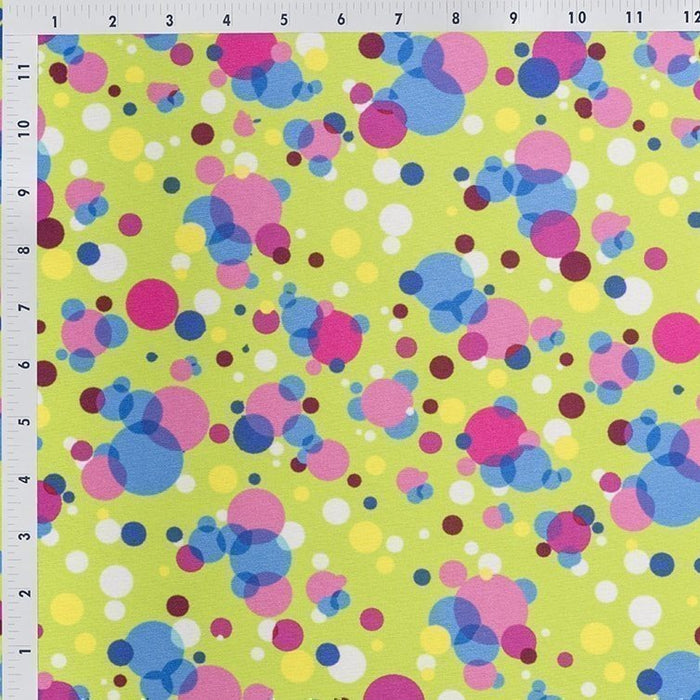
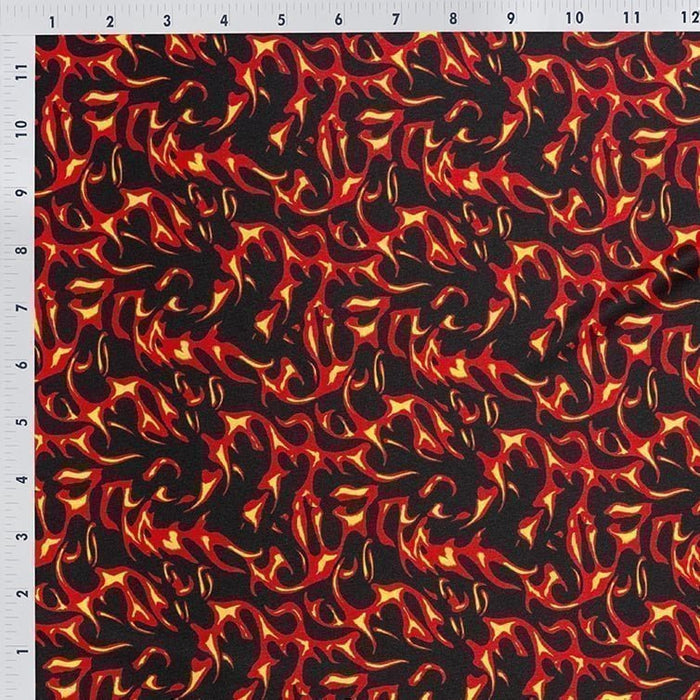
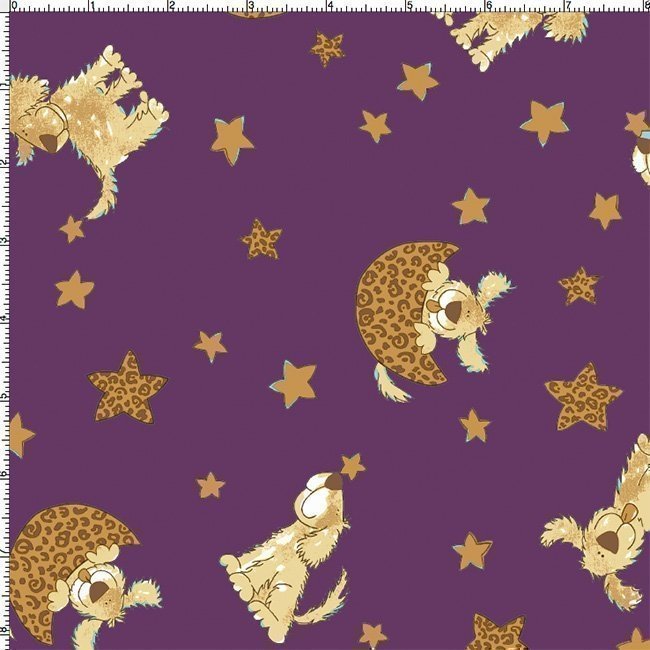
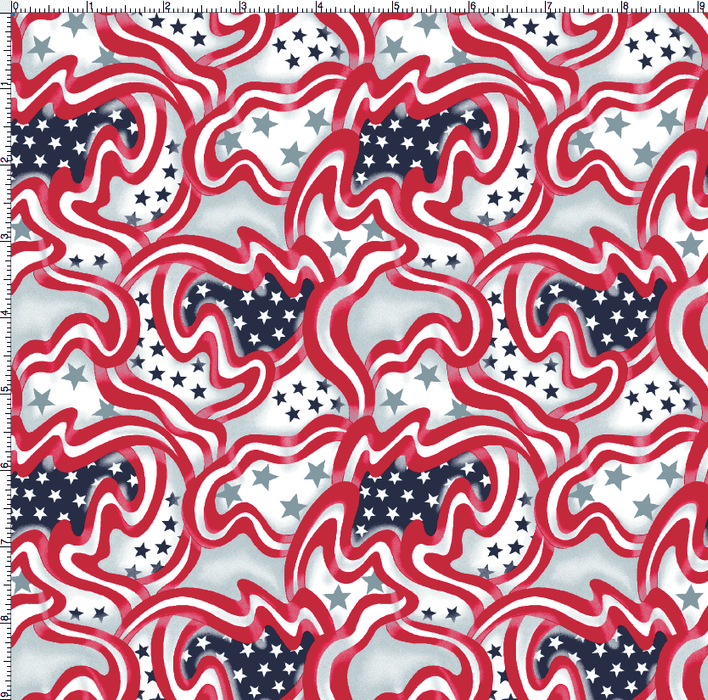
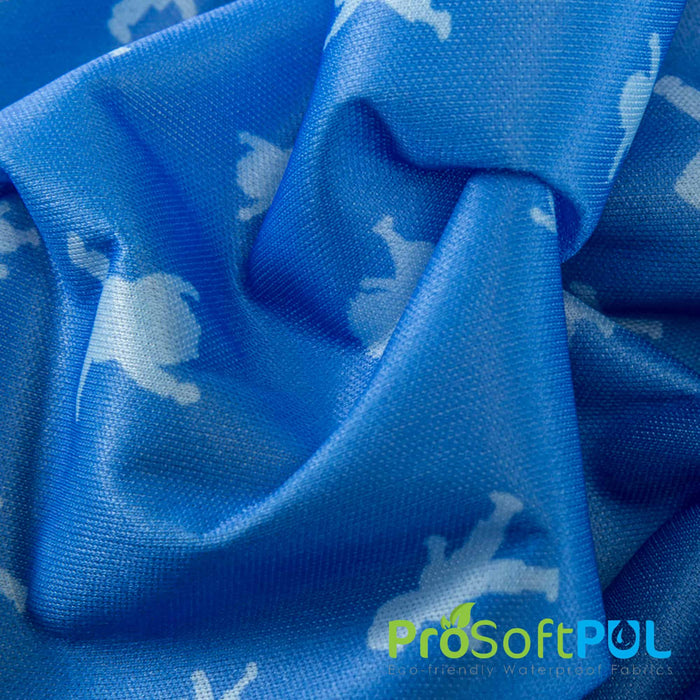
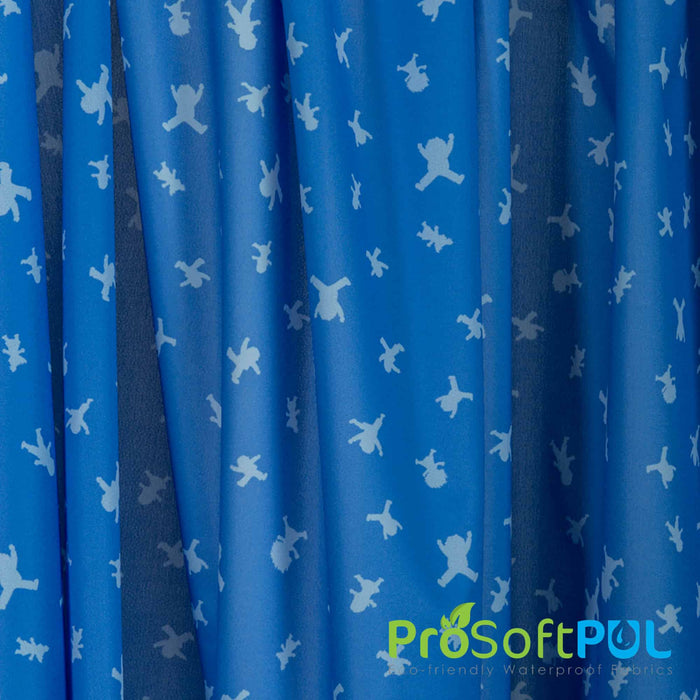
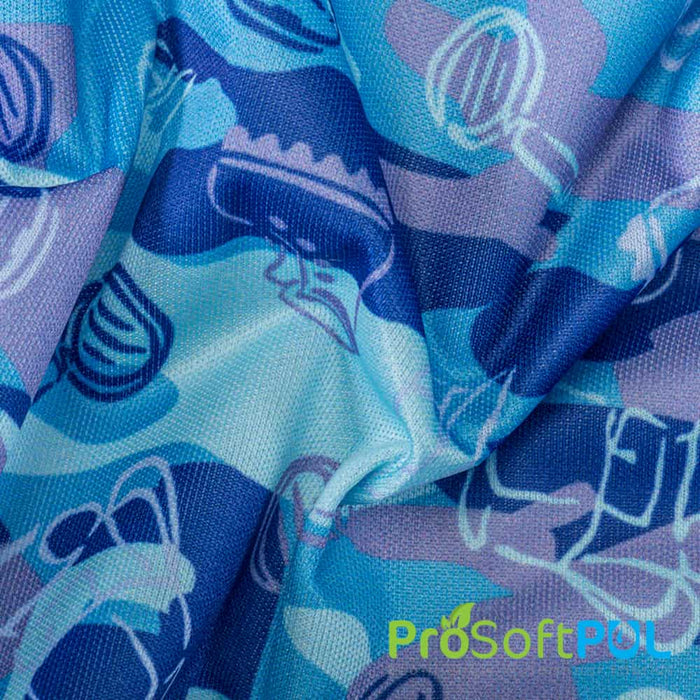
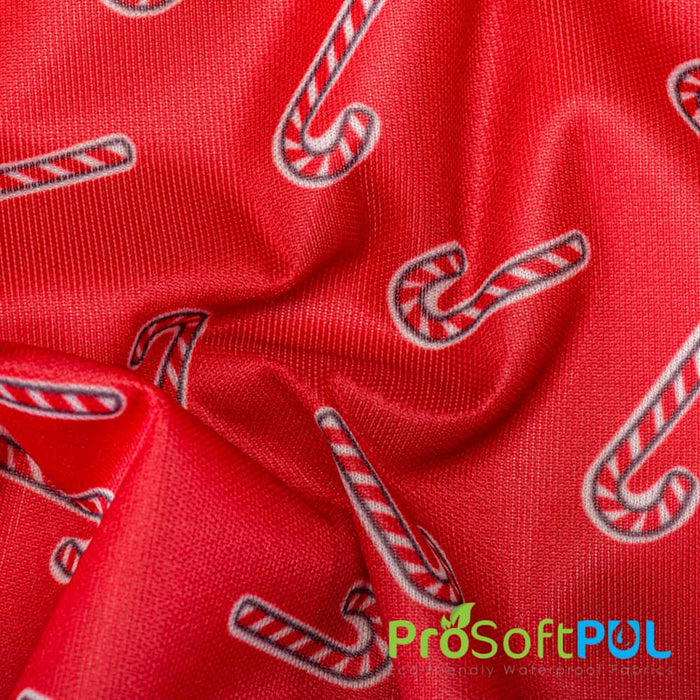
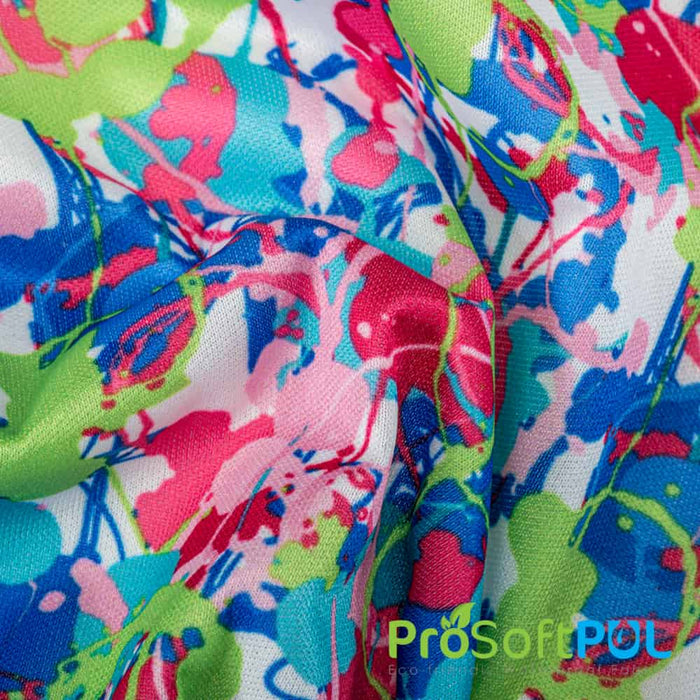
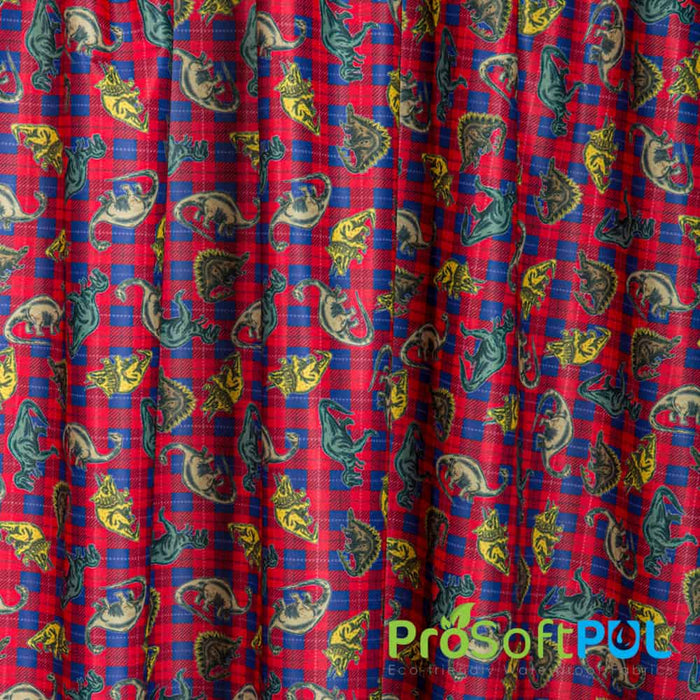
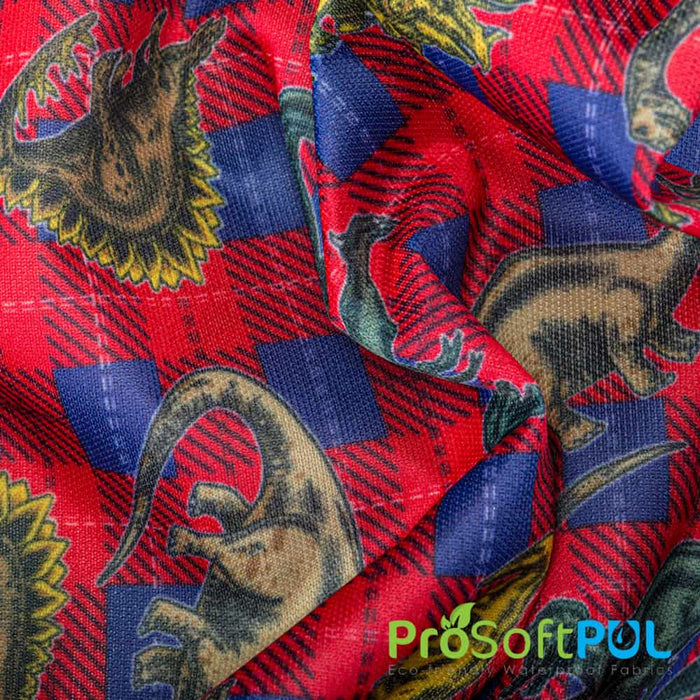
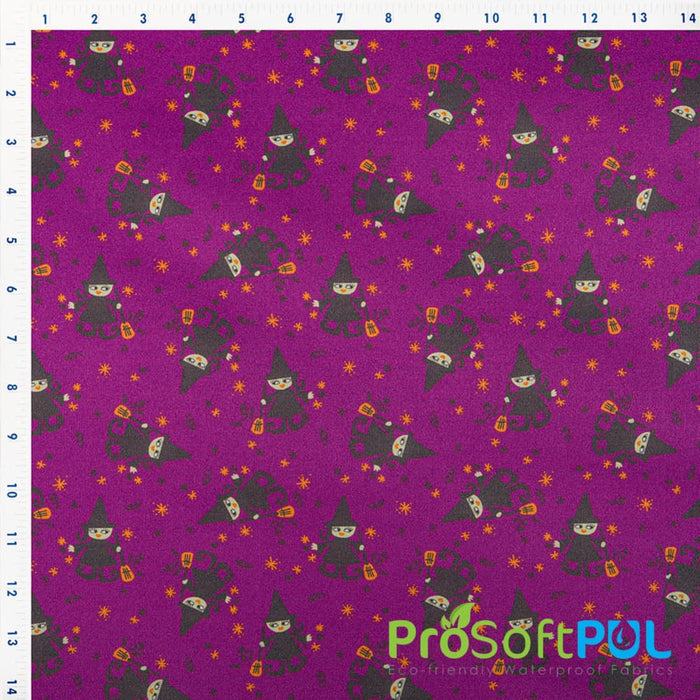
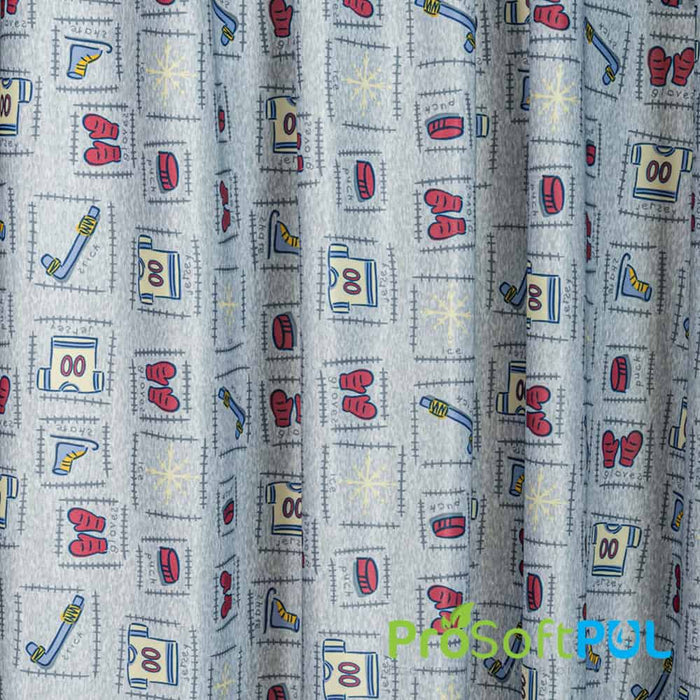
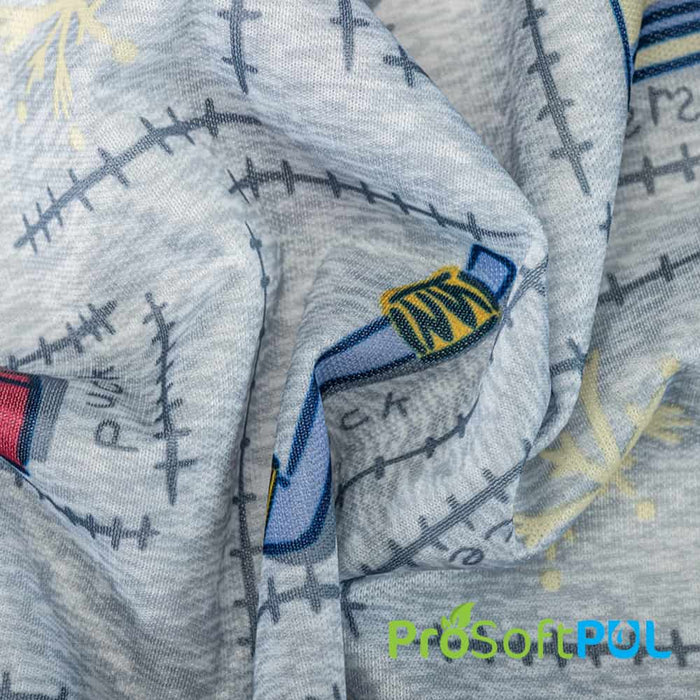
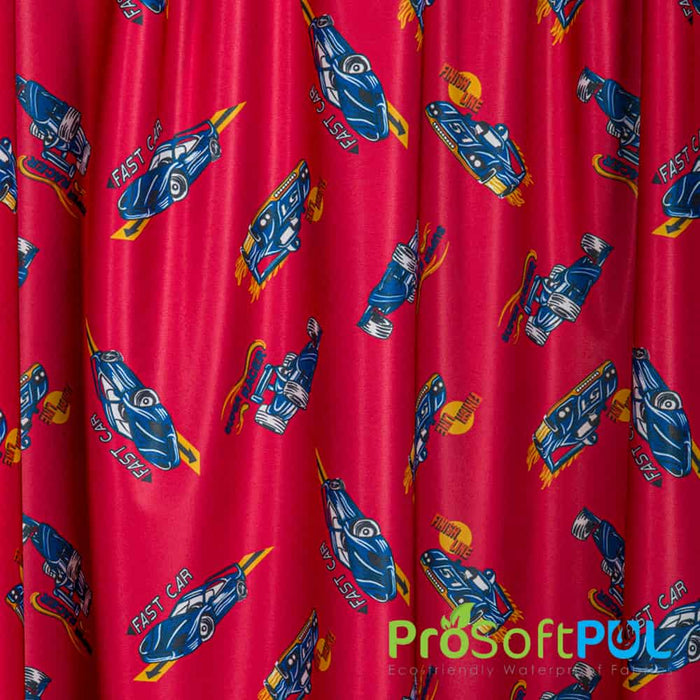
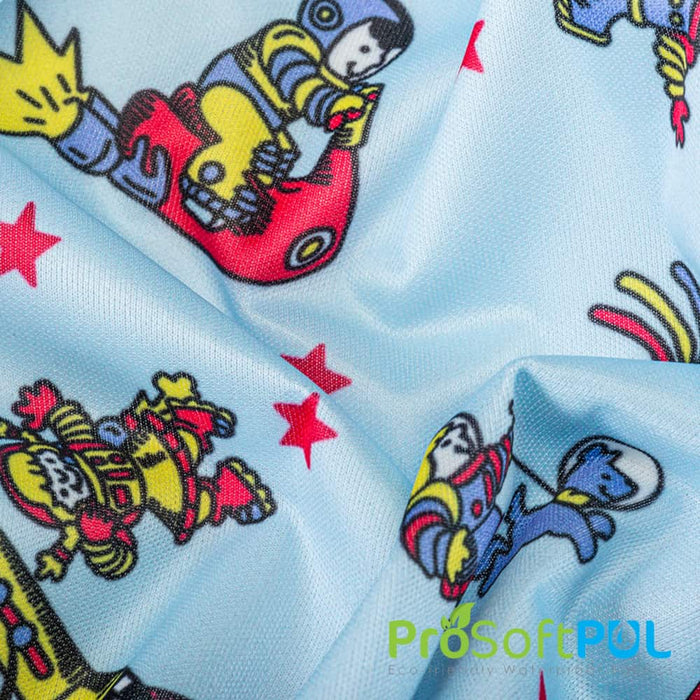
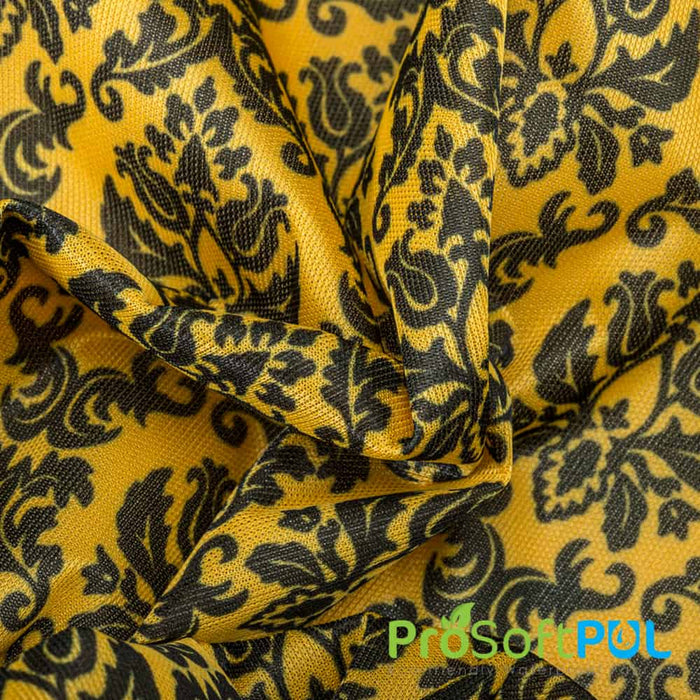
Everything under the pattern is identical to the Standard — the film, the bond, the barrier, the care. The print is purely on the surface, so you get the exact waterproofing you’d get from a solid, dressed in a pattern. Reach for it when the barrier is the outward face of the product: a wipeable bib front, a splash mat, a wet bag that shows.
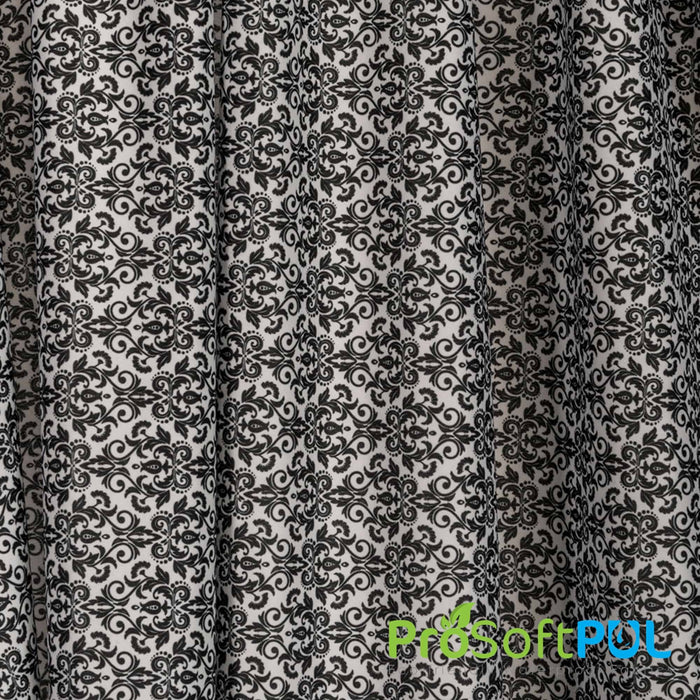
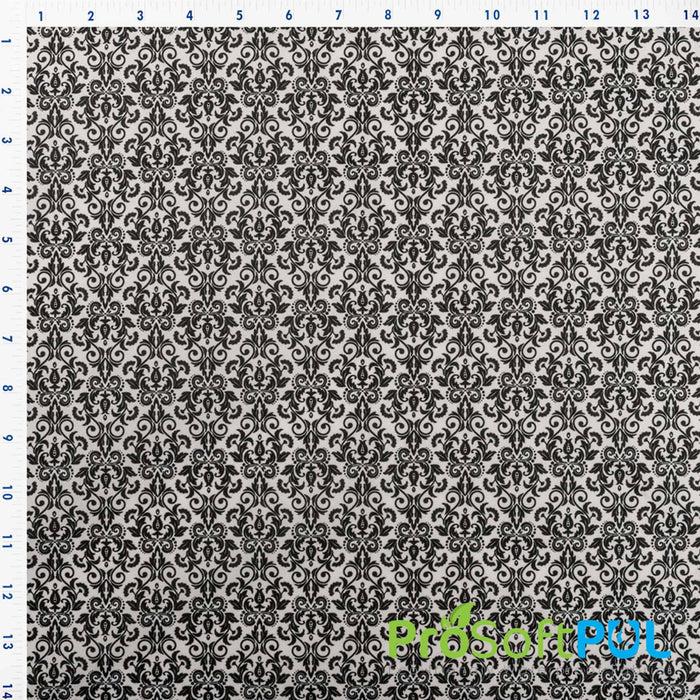
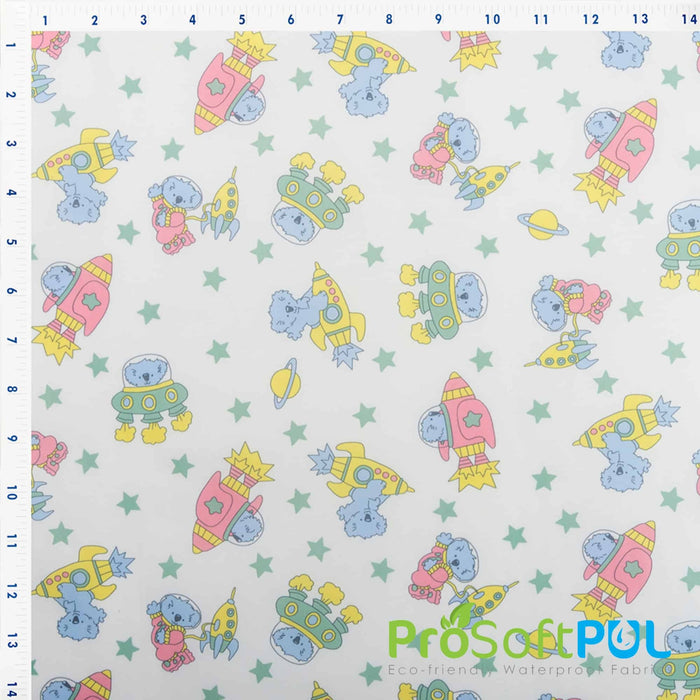
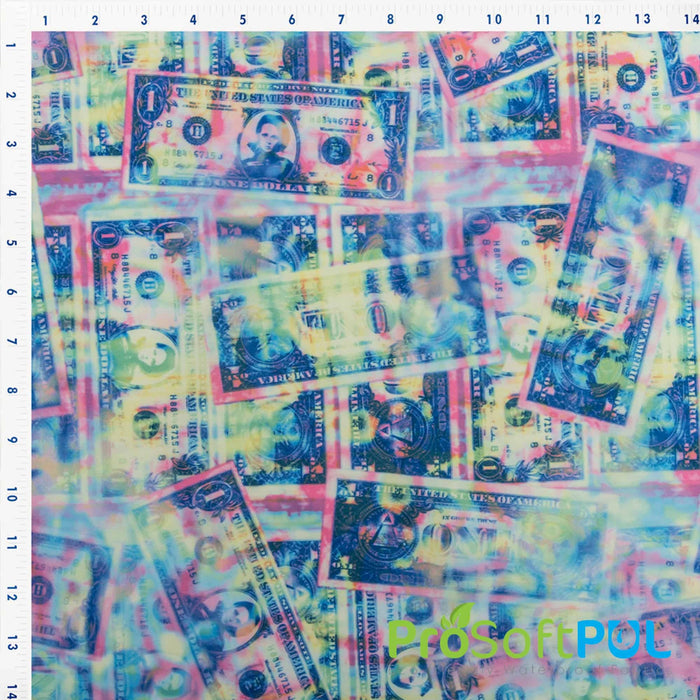
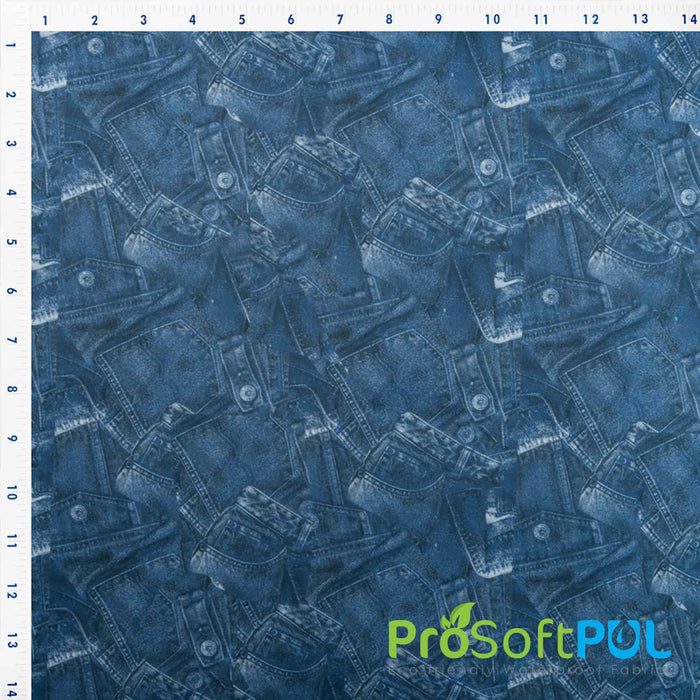
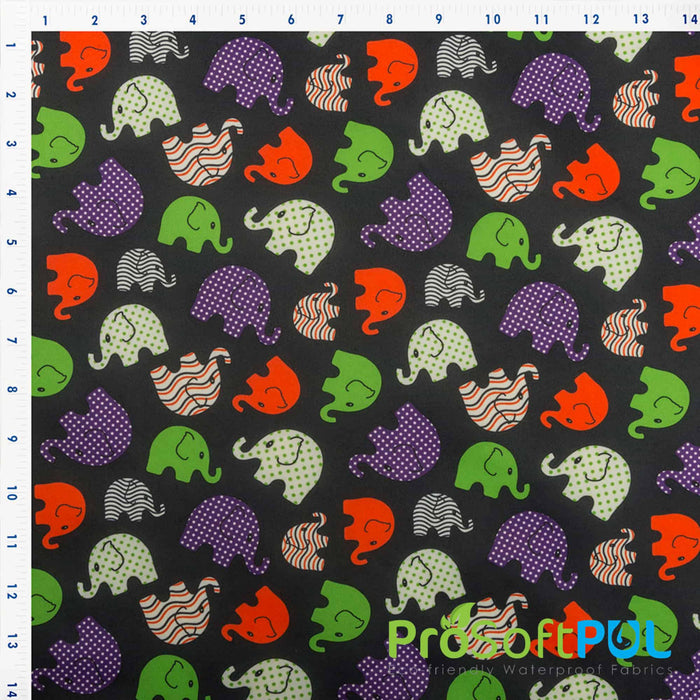
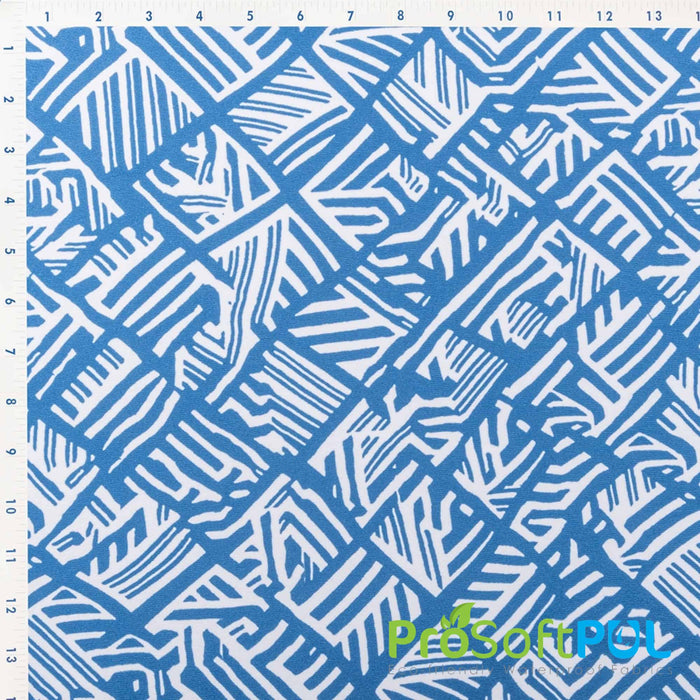
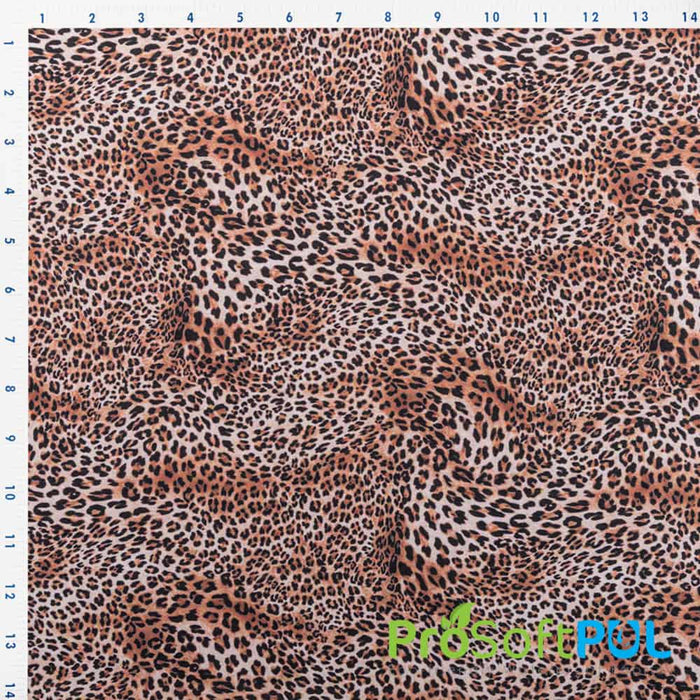
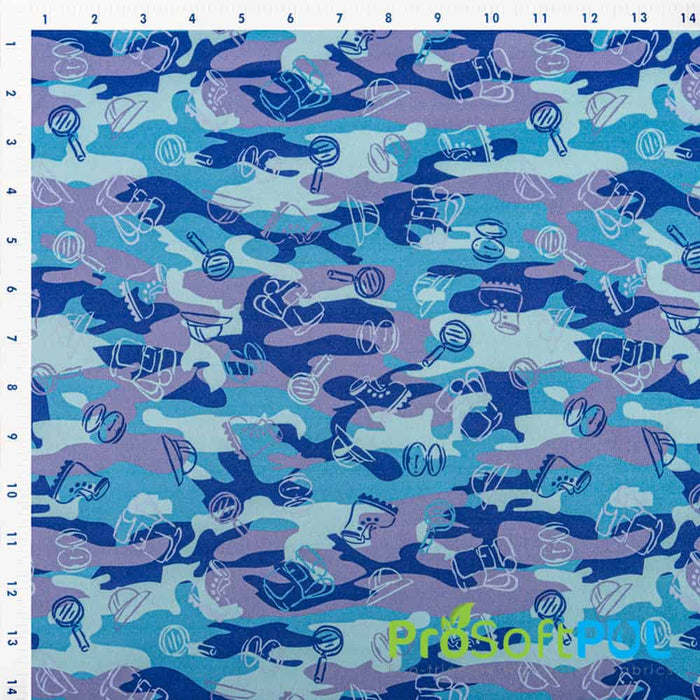
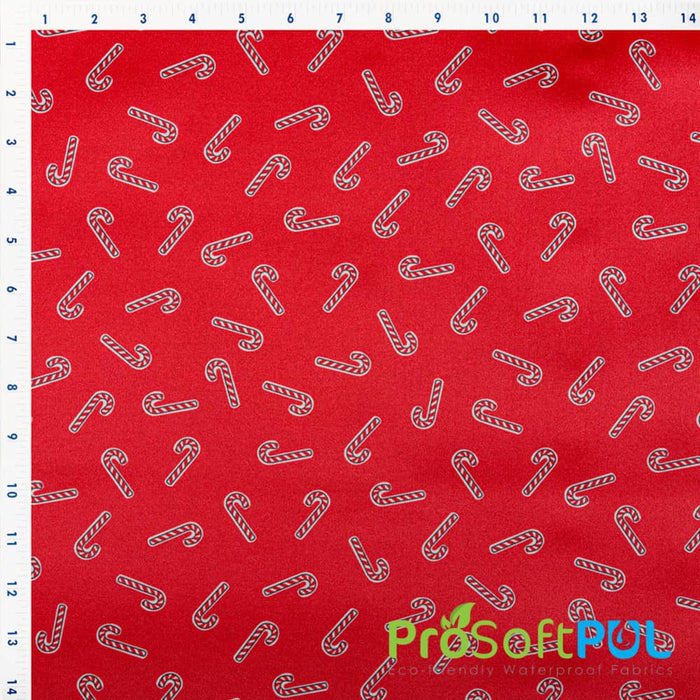
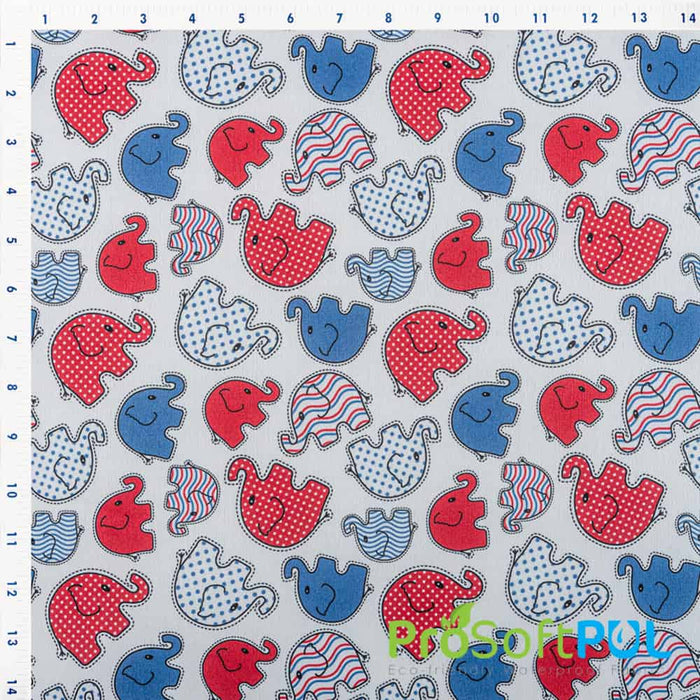
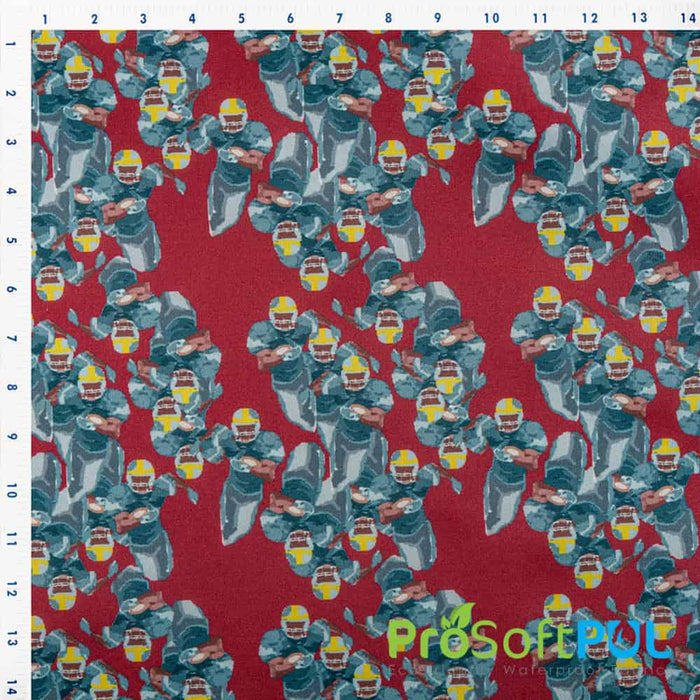
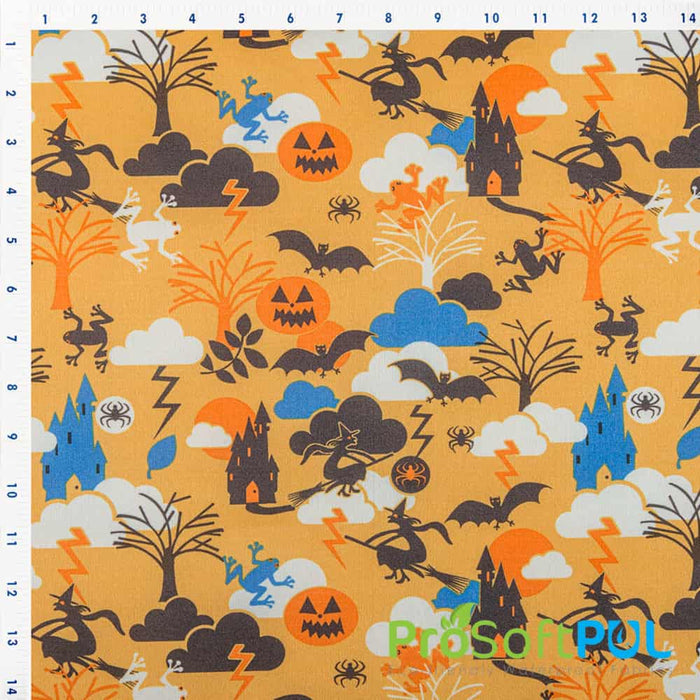
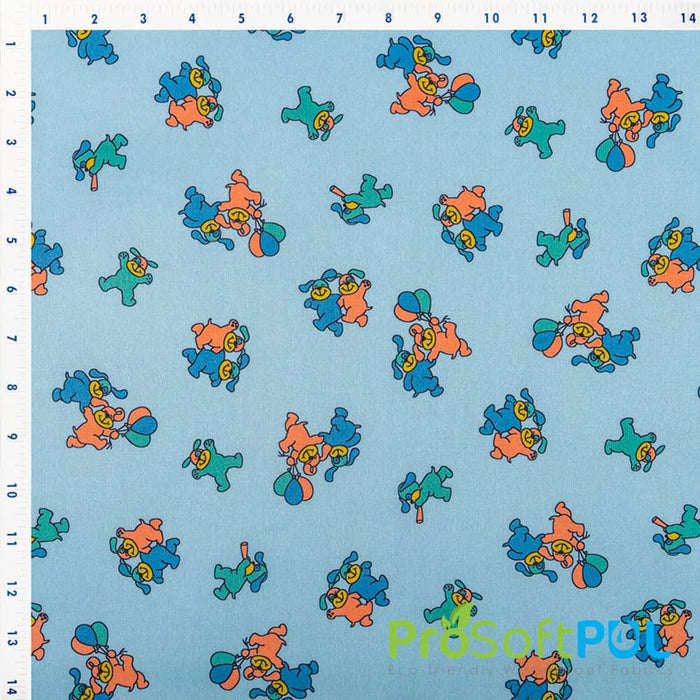
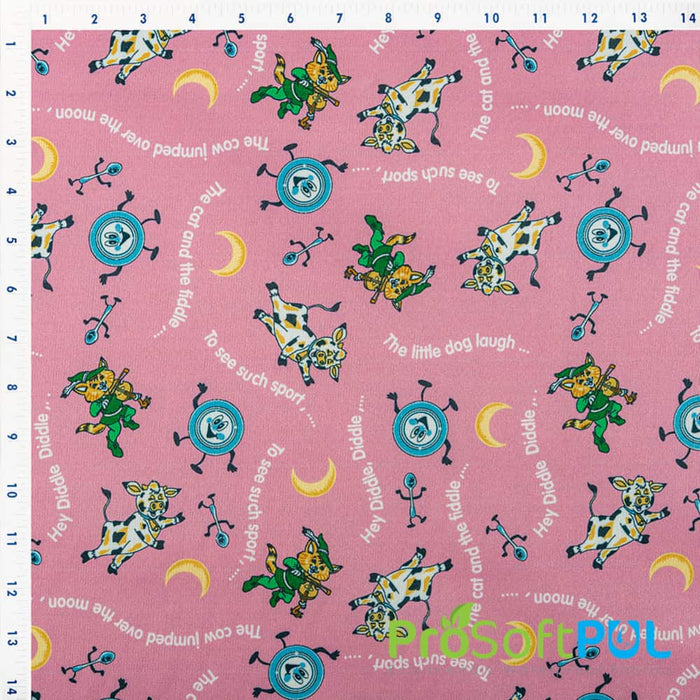
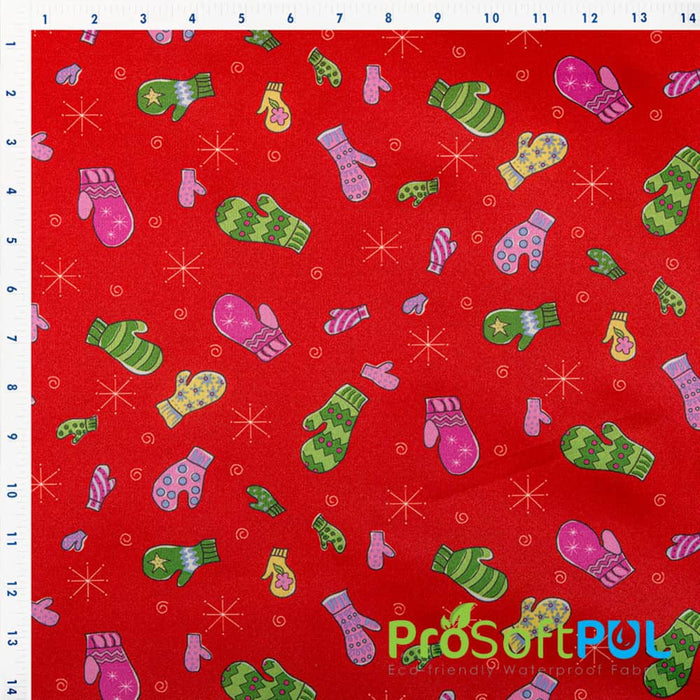
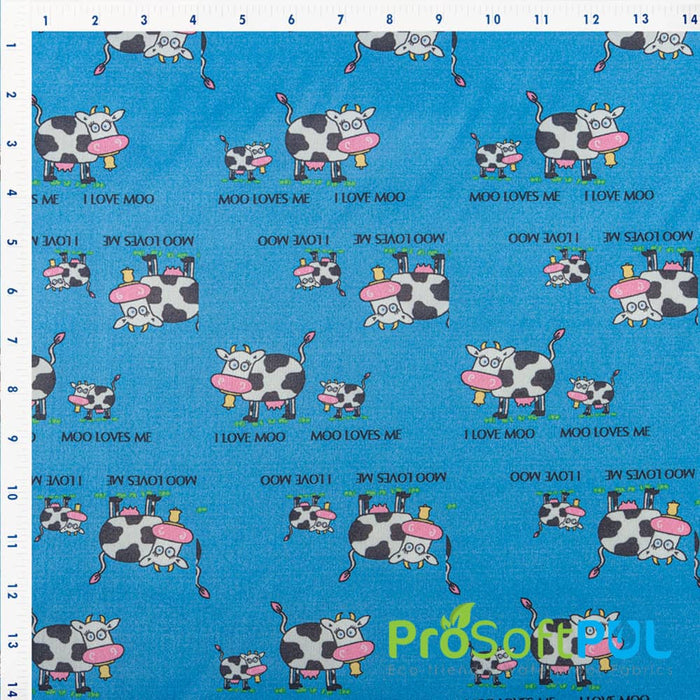
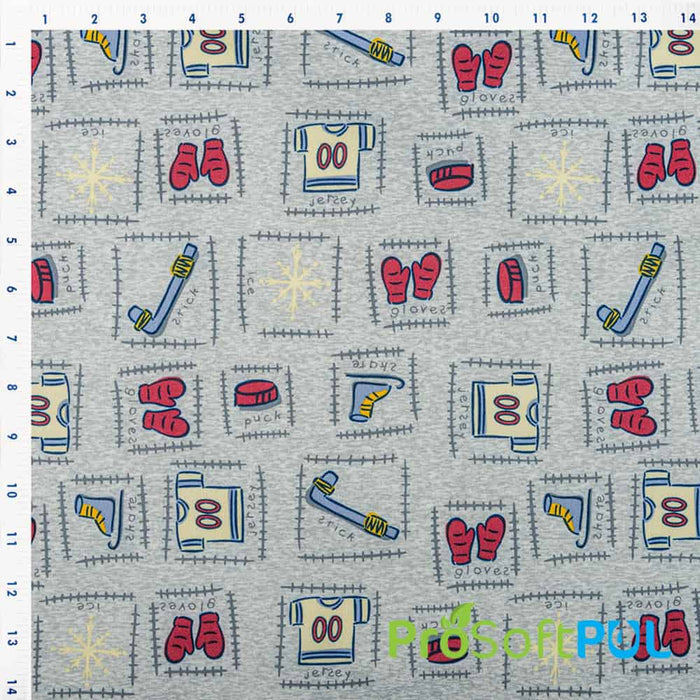
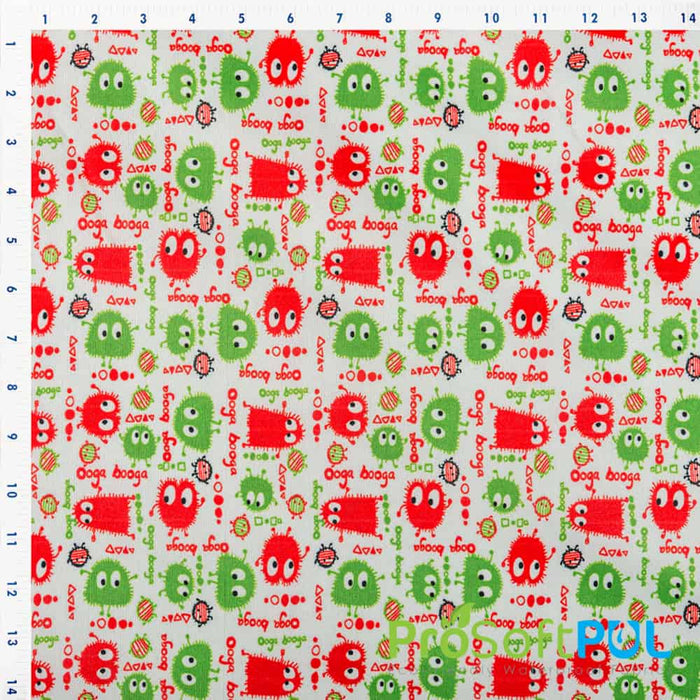
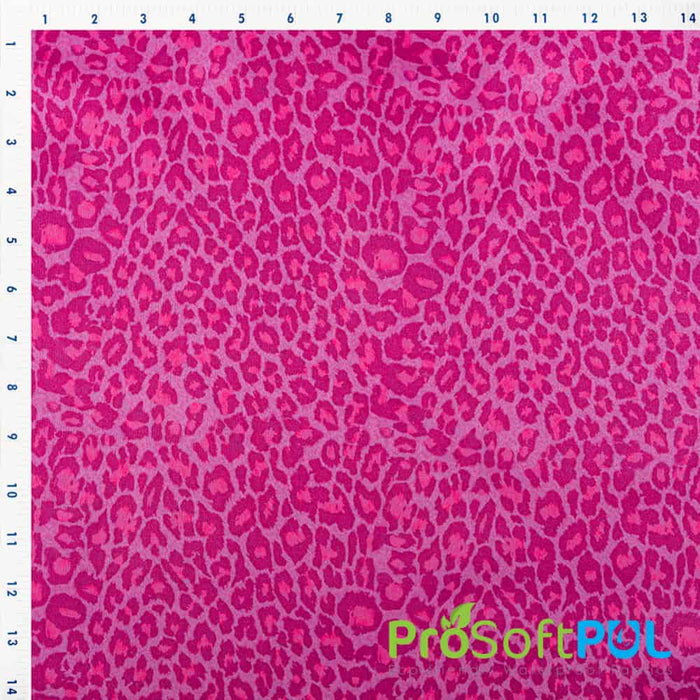
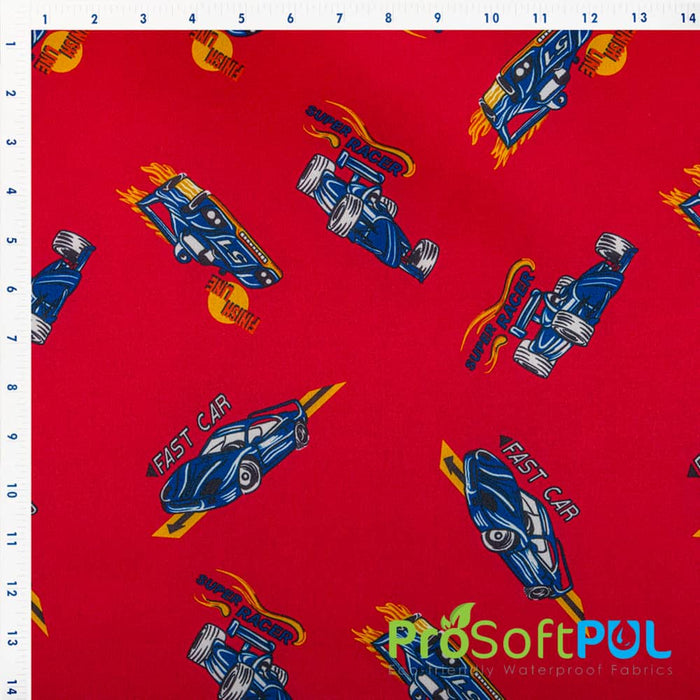
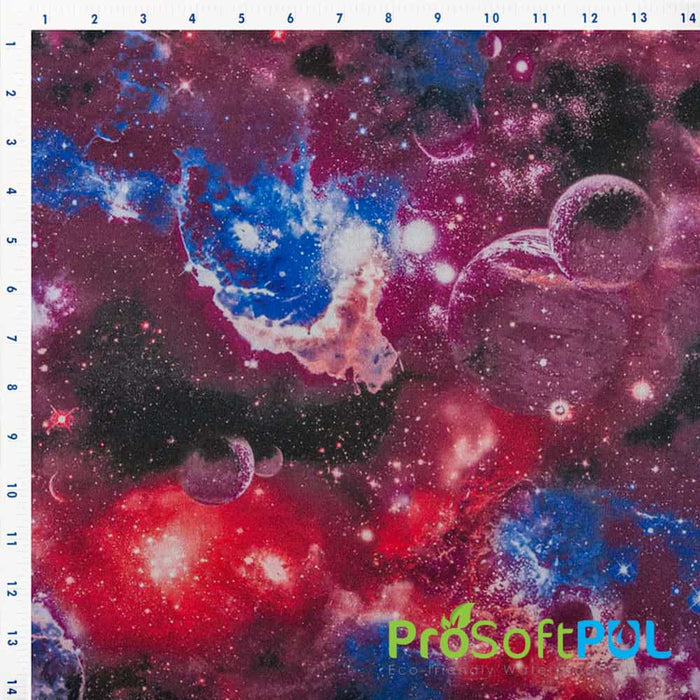
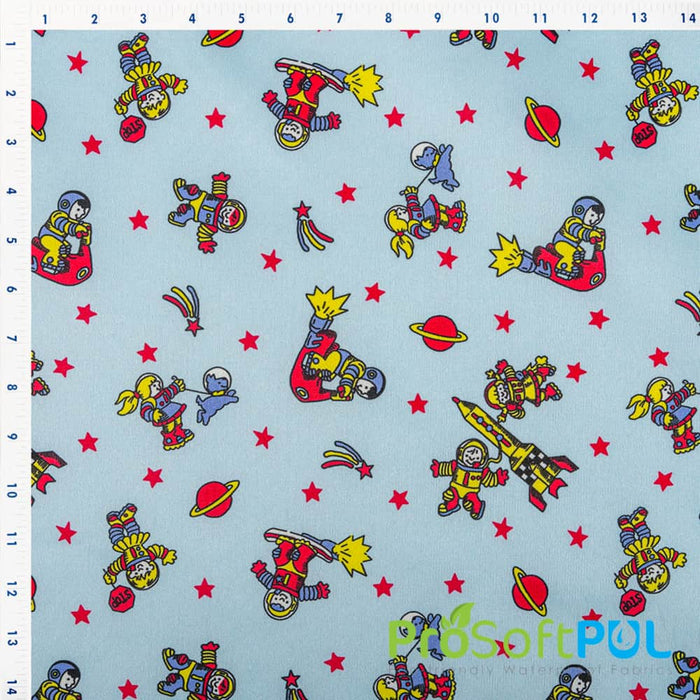
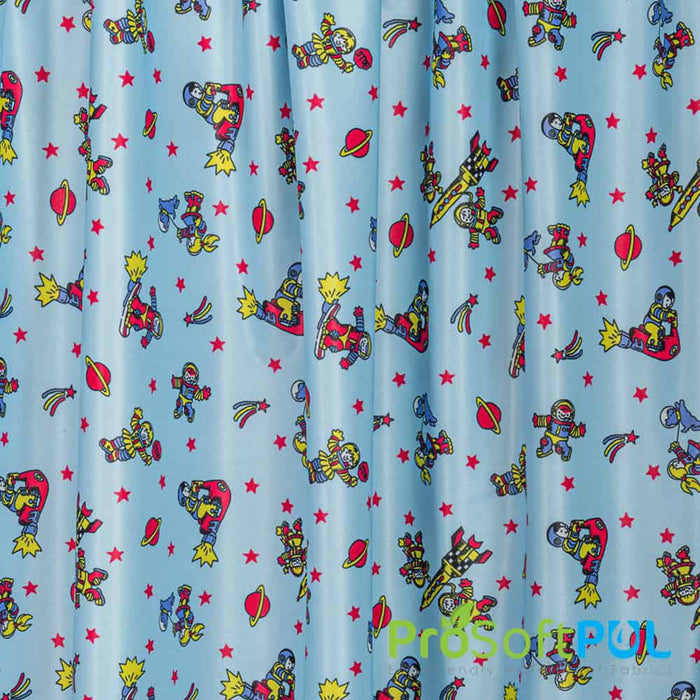
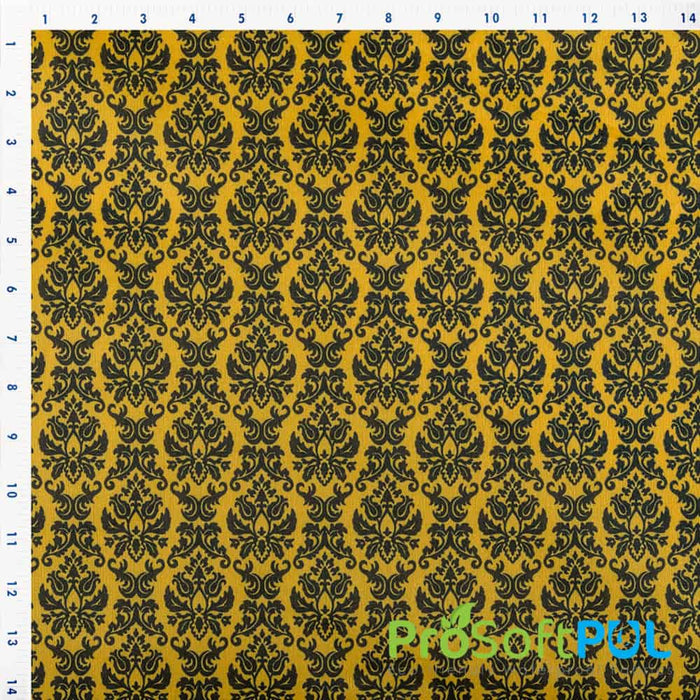
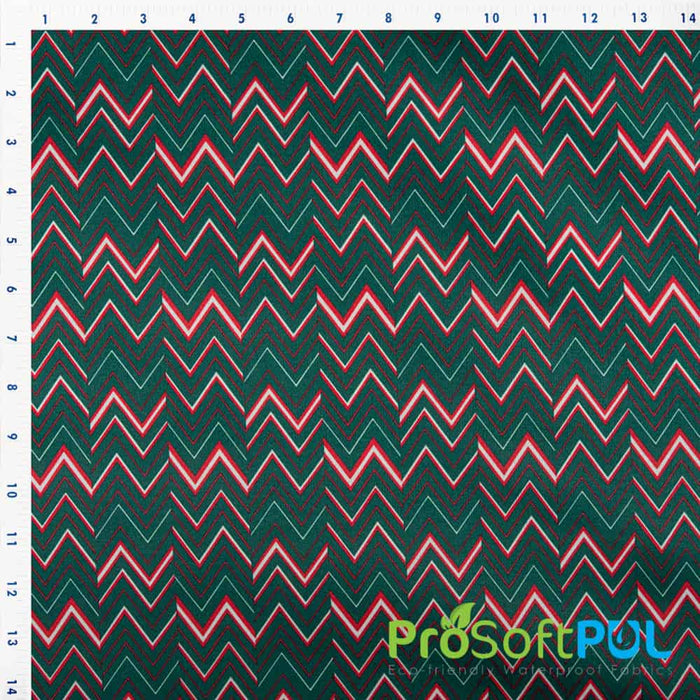
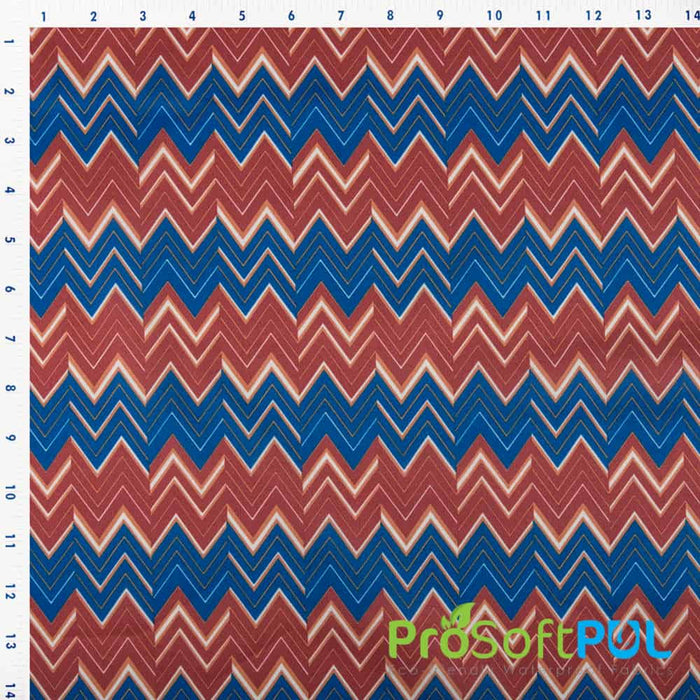
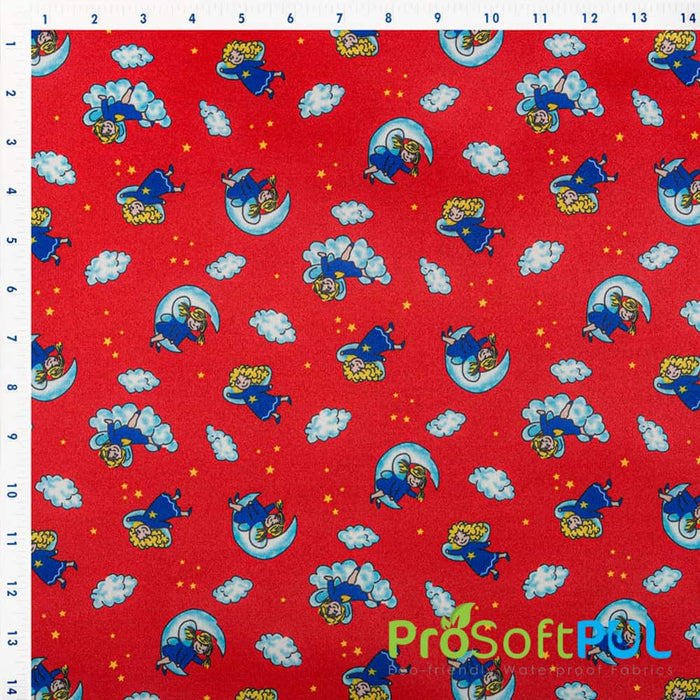
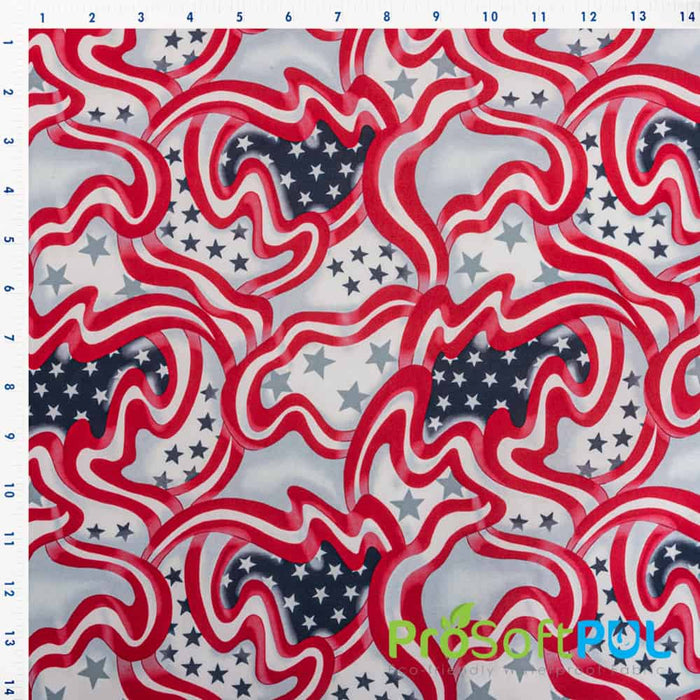
Two honest, practical notes. Prints run 56″–60″ wide — a touch narrower than the 58″–60″ solids — and patterns have a direction and a repeat, so lay out and cut with the repeat in mind the way you would any printed cloth. The performance doesn’t change; the planning does.
So when would you choose Print over the Standard?
When the barrier shows — when the waterproof layer is also the part people see. If the barrier lives inside, hidden behind an outer fabric, a solid does the same job for less and cuts without a repeat to plan around. Print is for when the fabric itself is the finished, decorative, wipeable face.
The barrier tests exactly like the Standard’s; the print is what your eye checks.
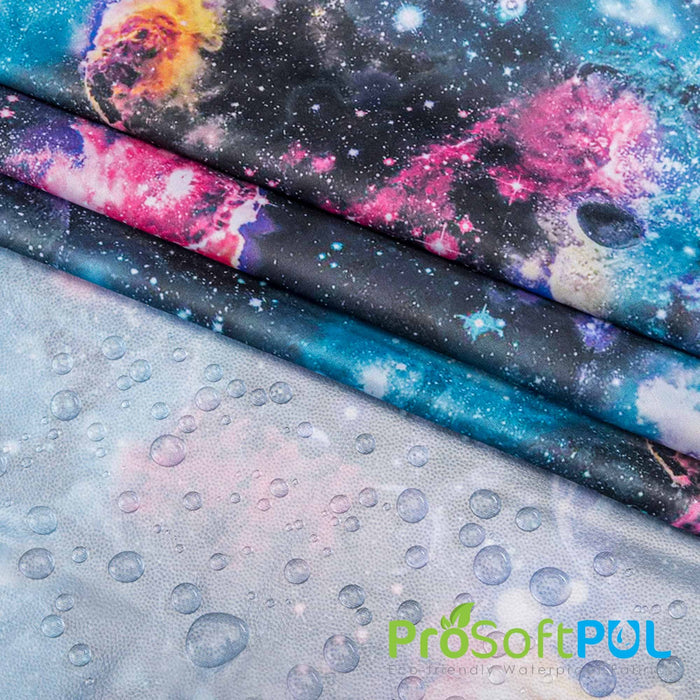
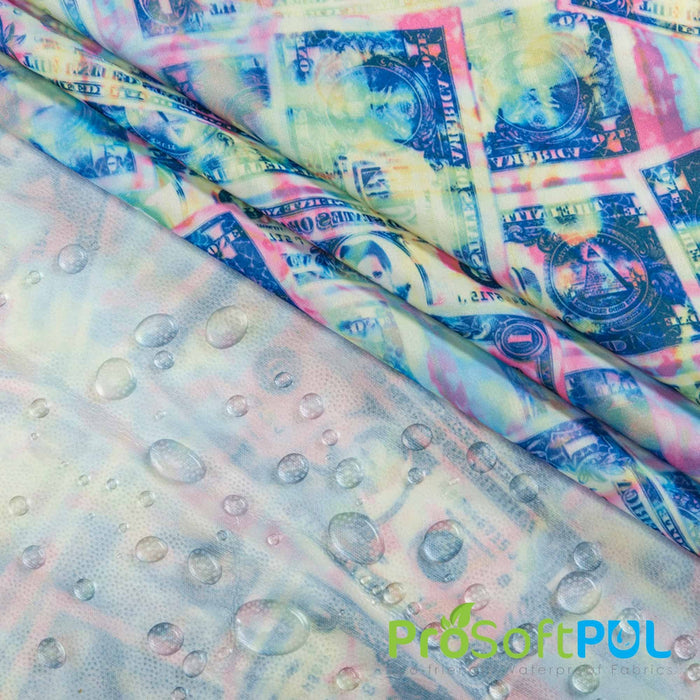
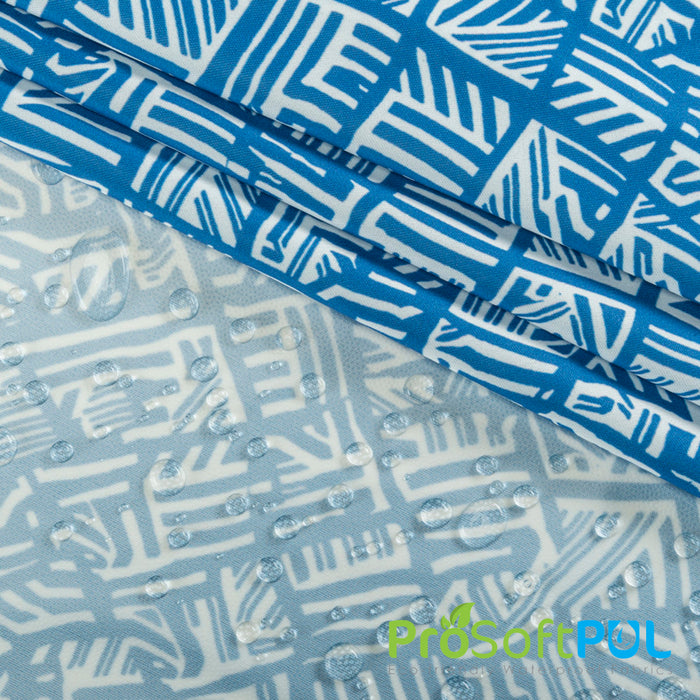
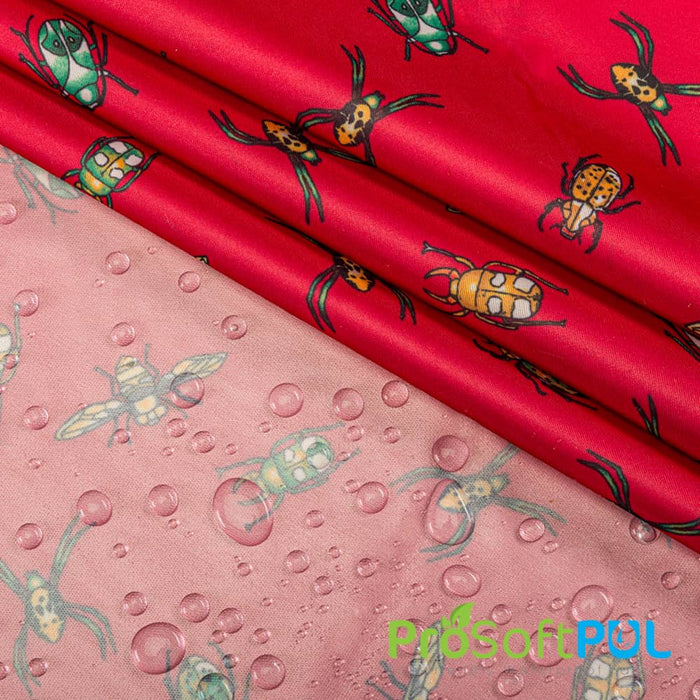
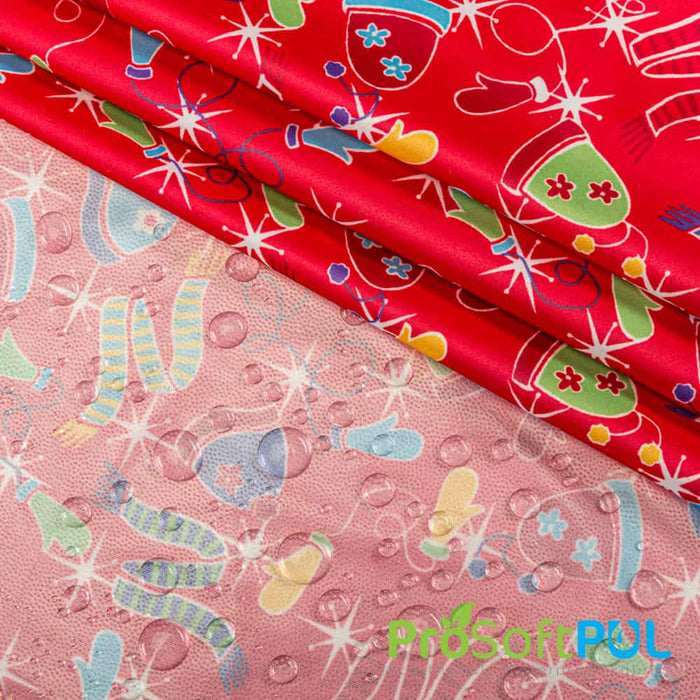
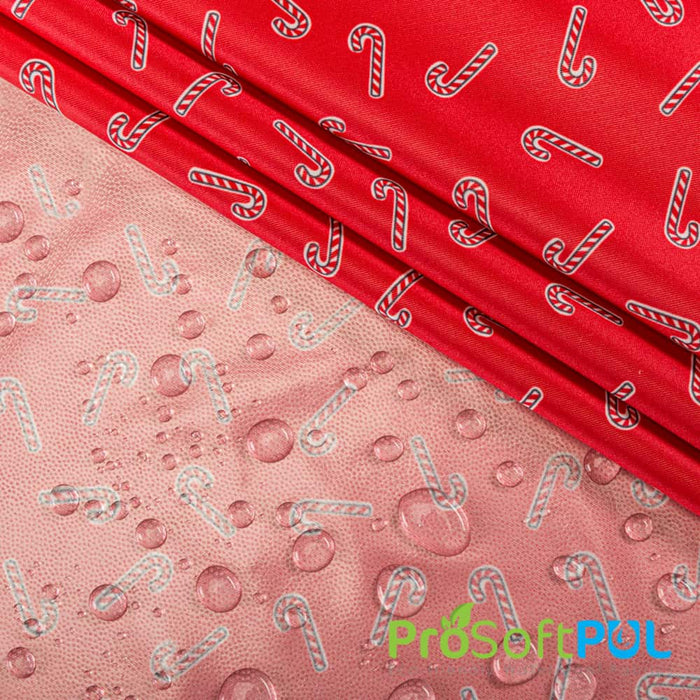
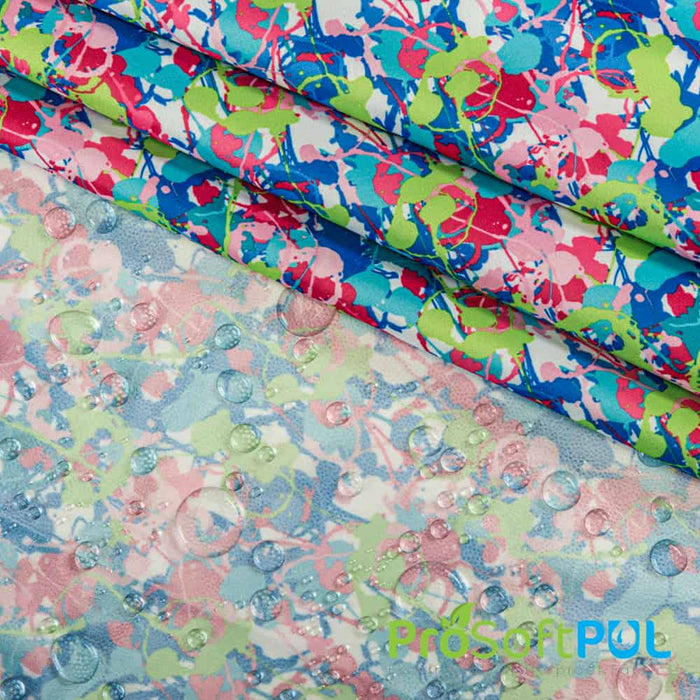
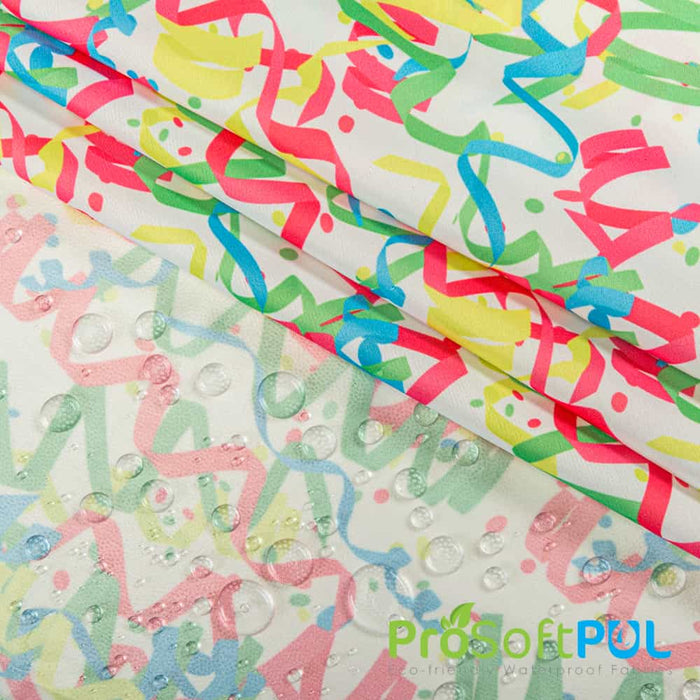
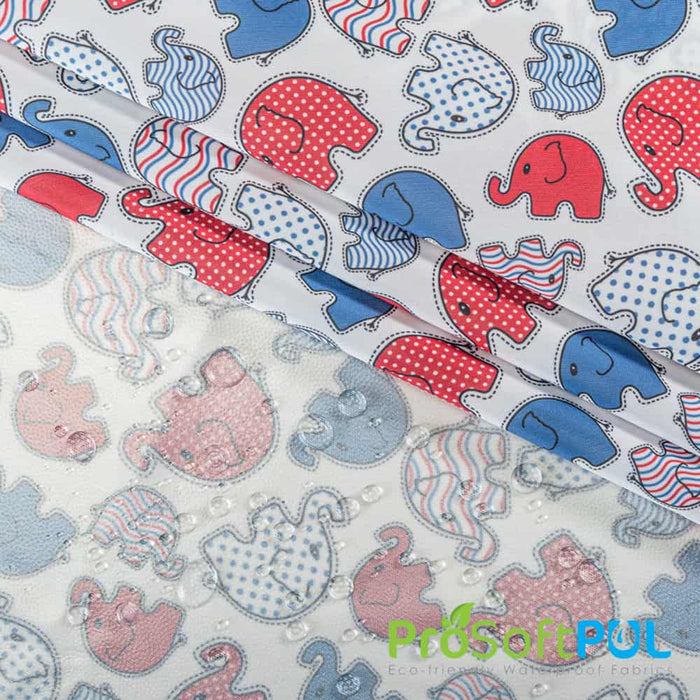
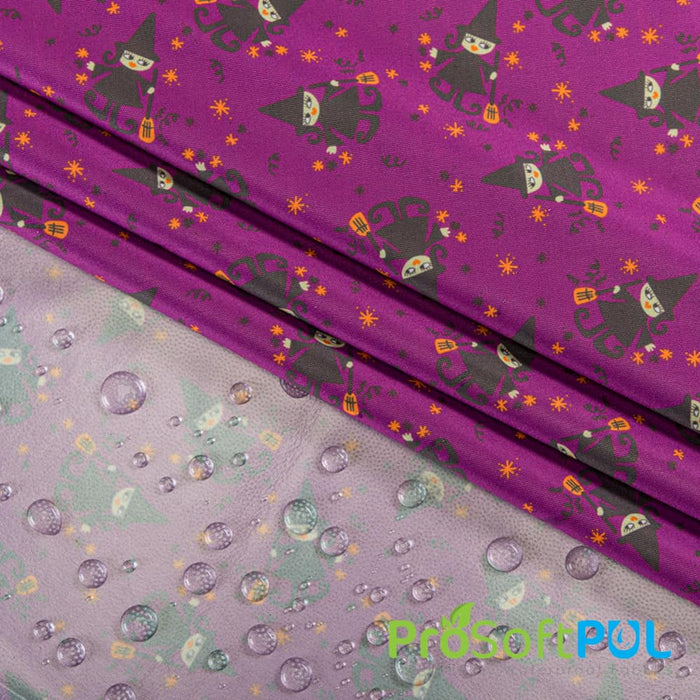
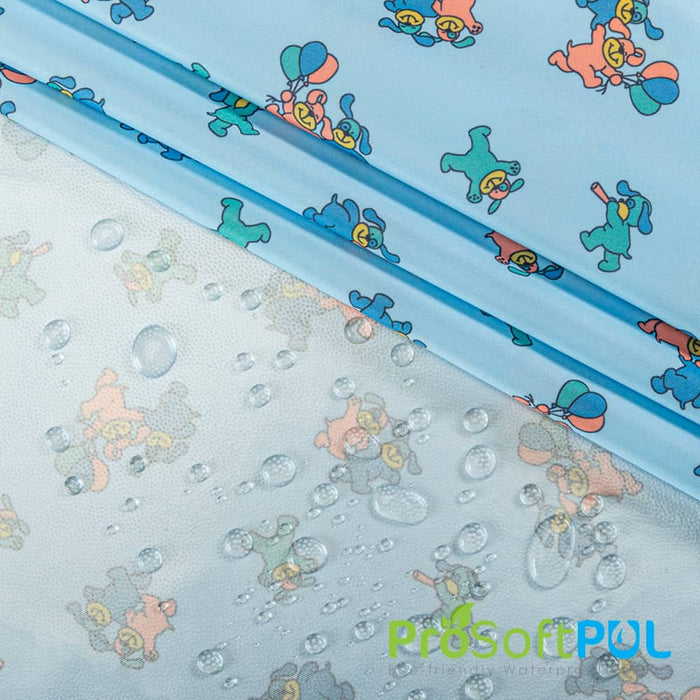
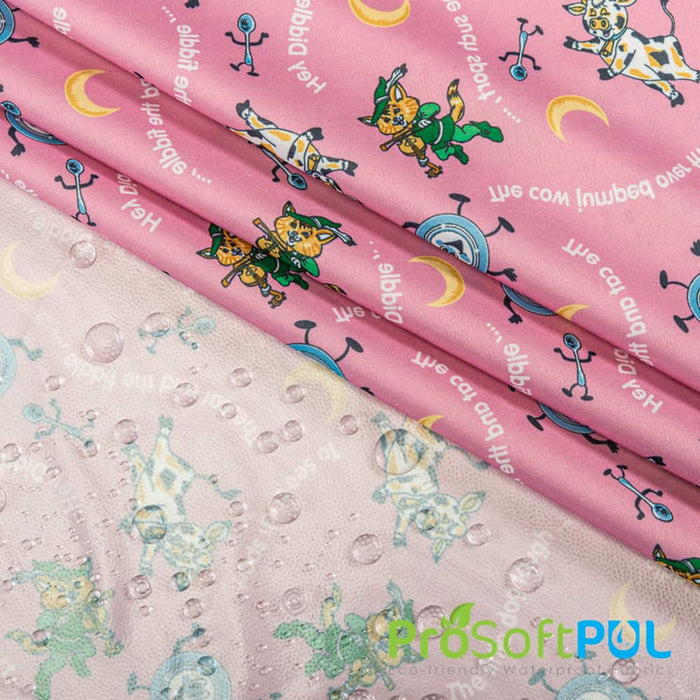
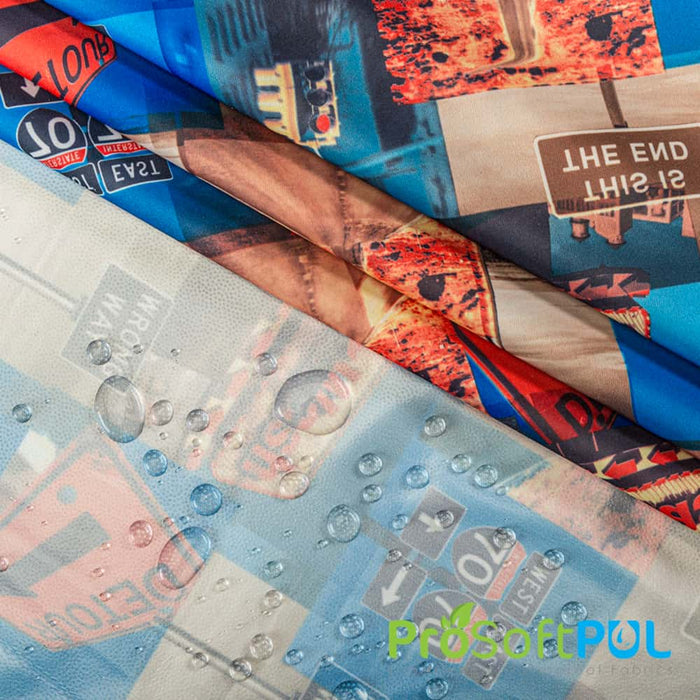
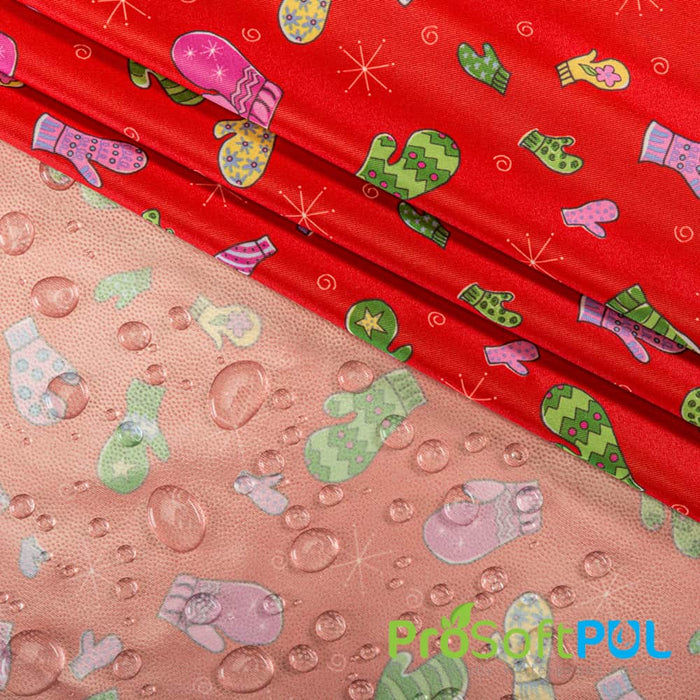
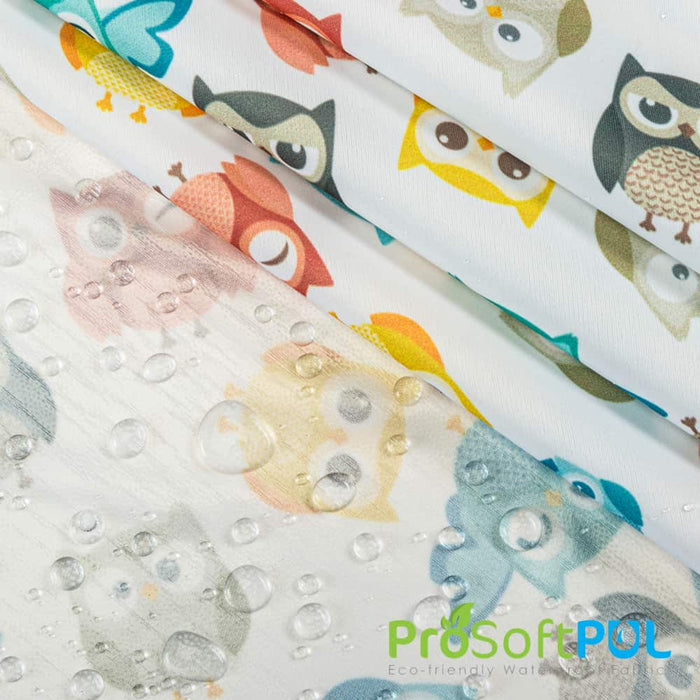
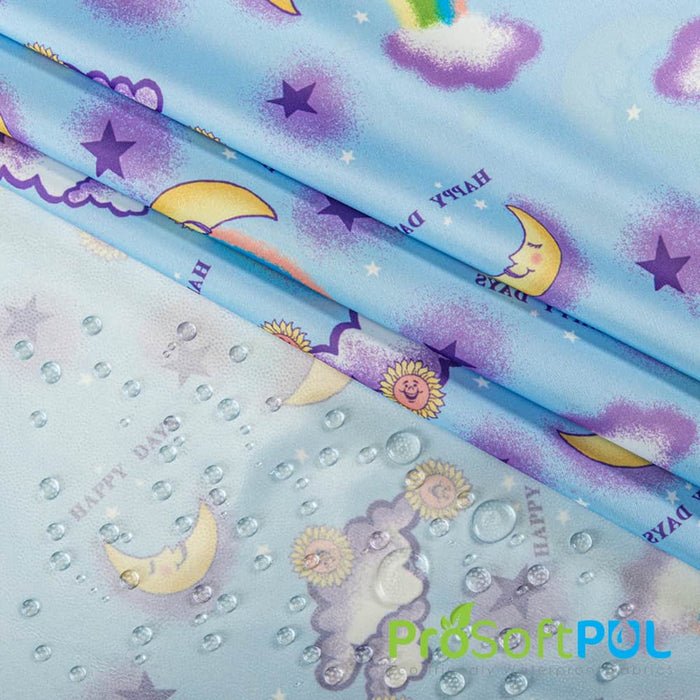
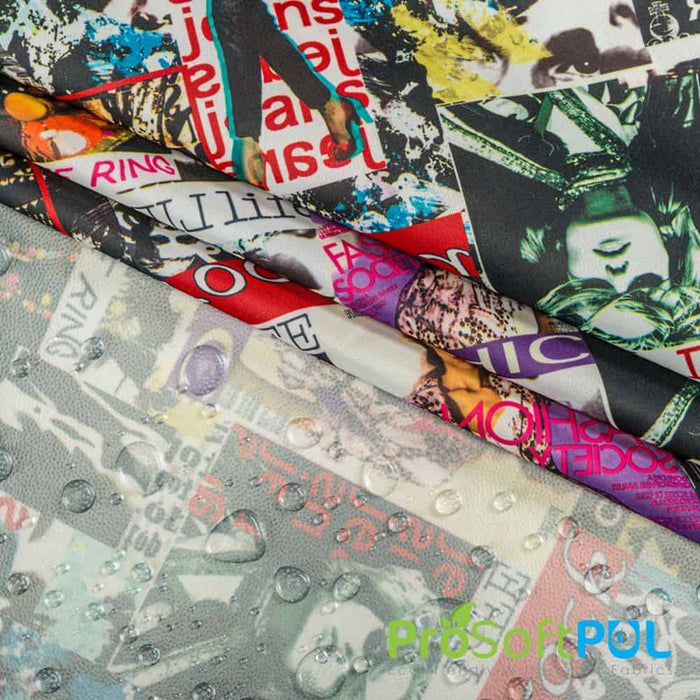
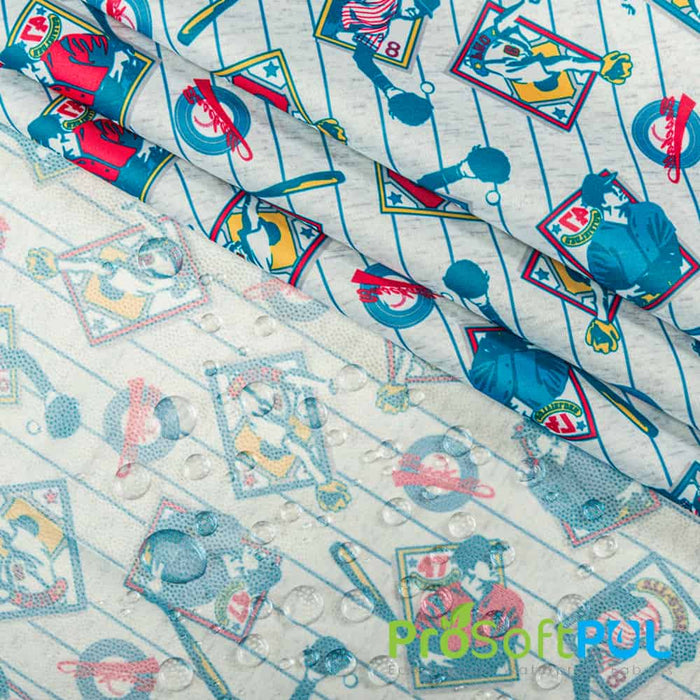
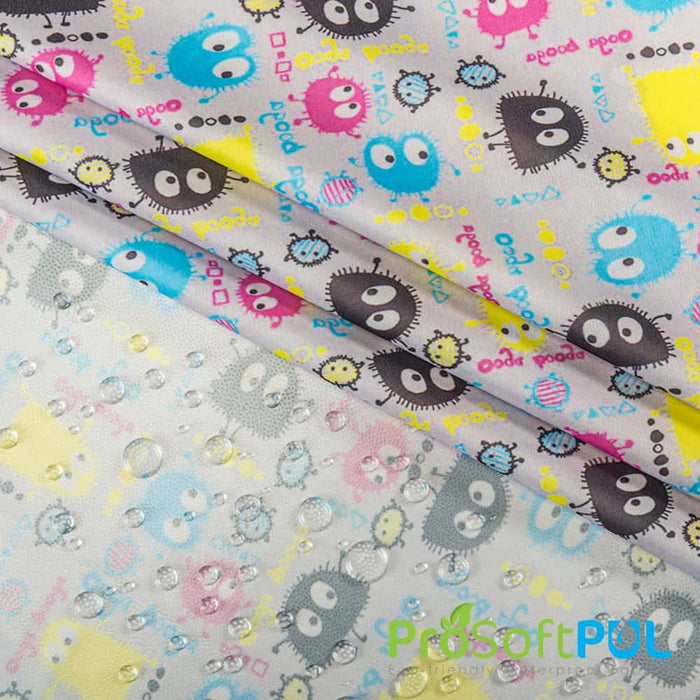
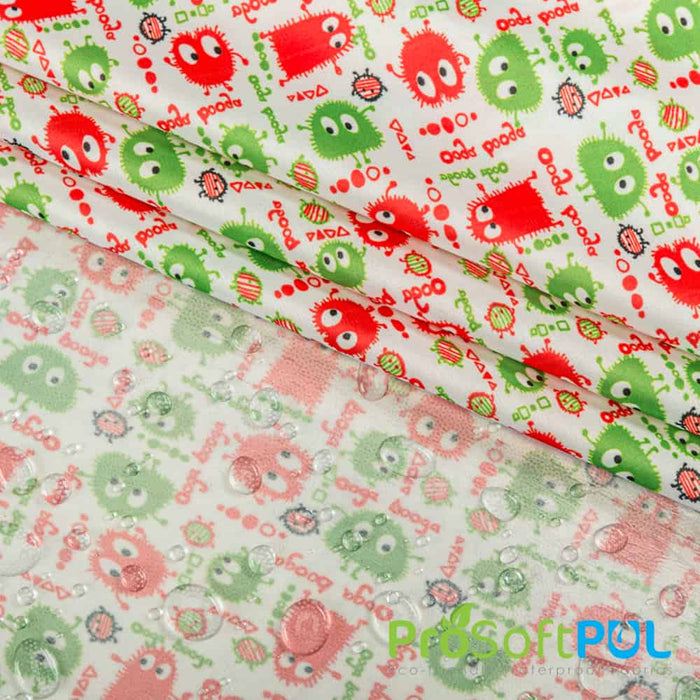
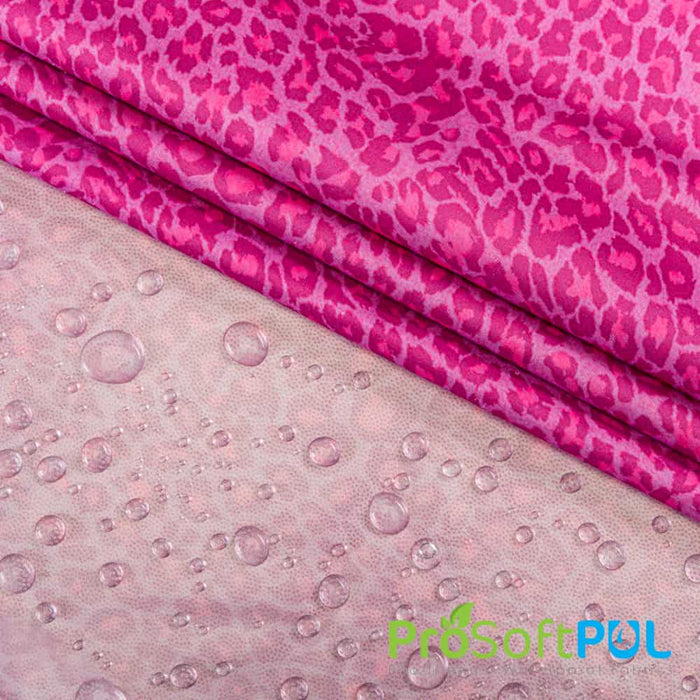
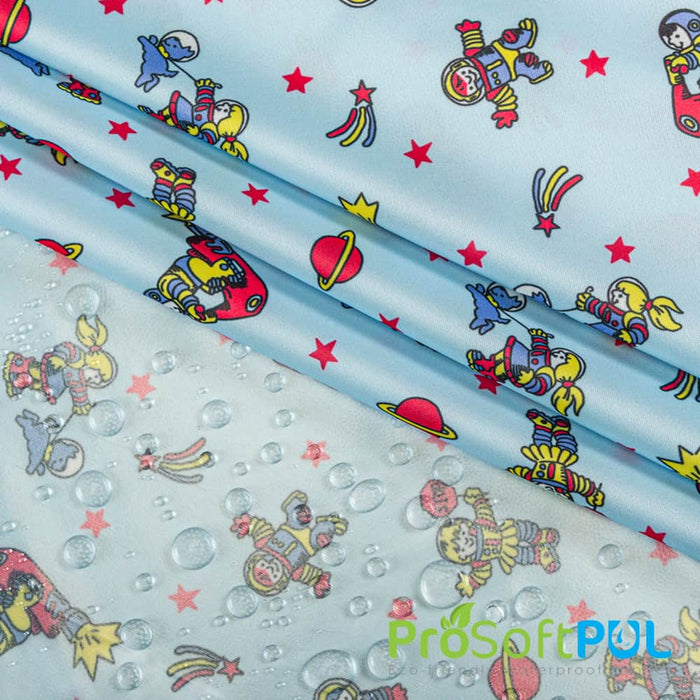
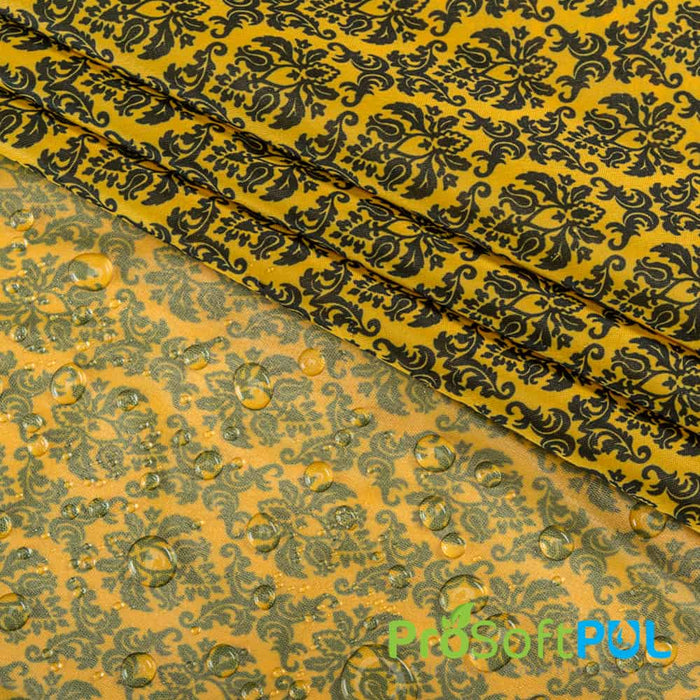
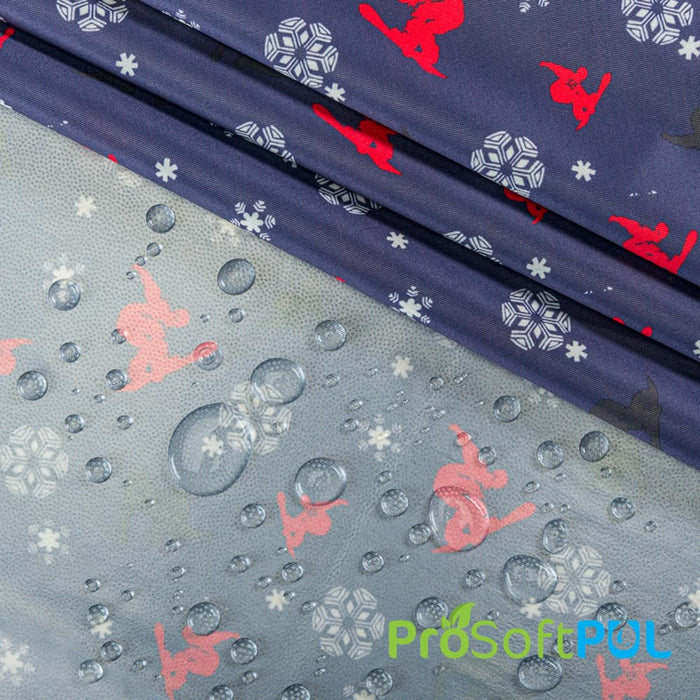
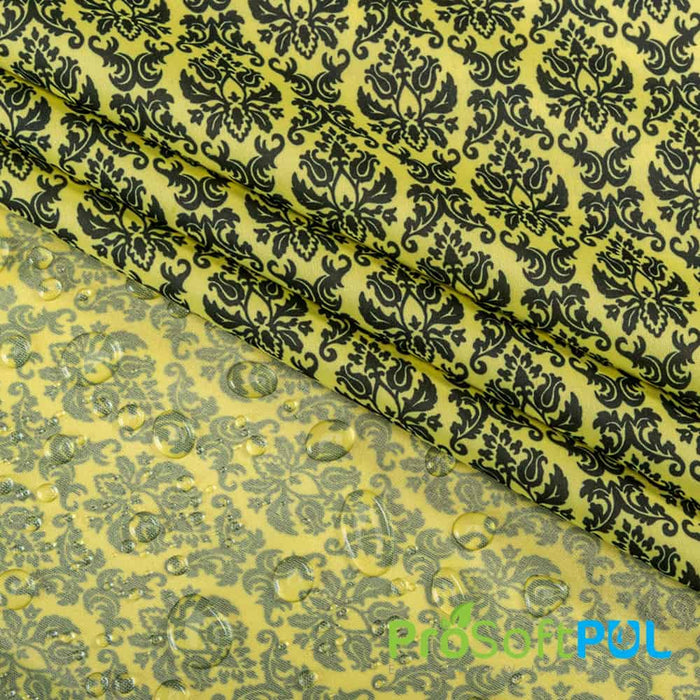
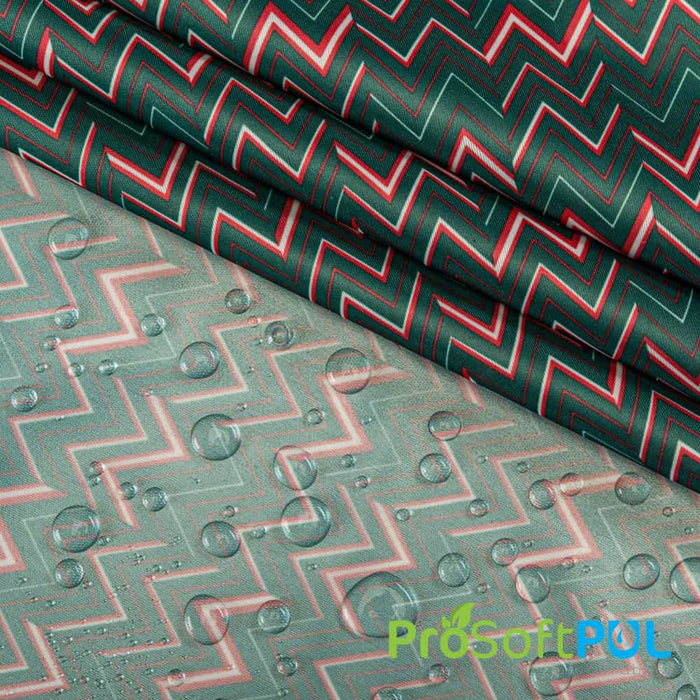
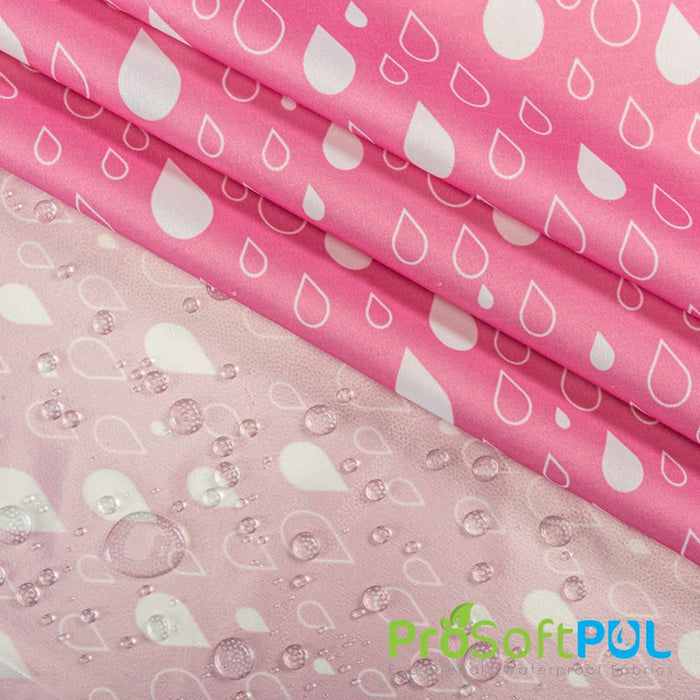
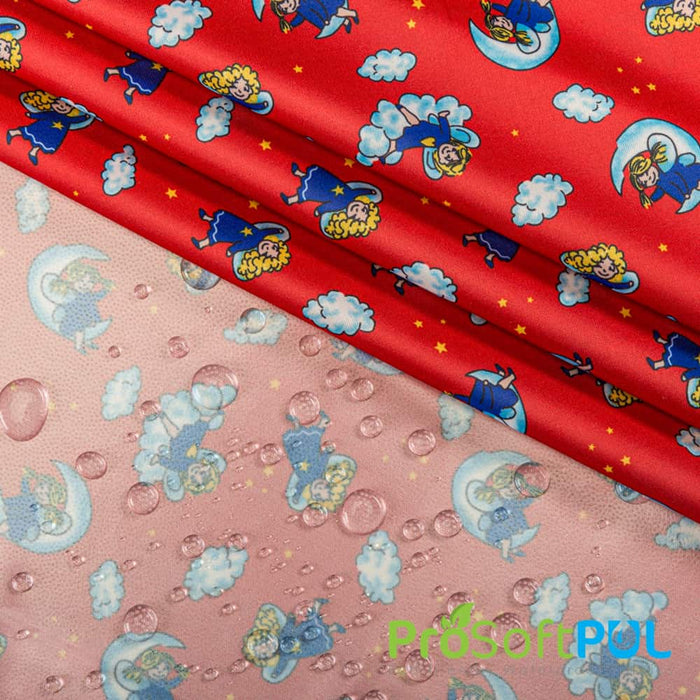
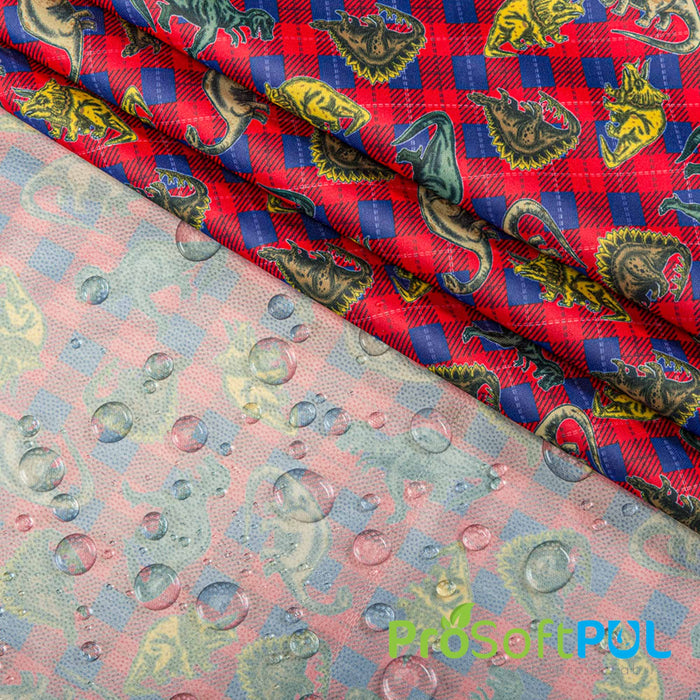
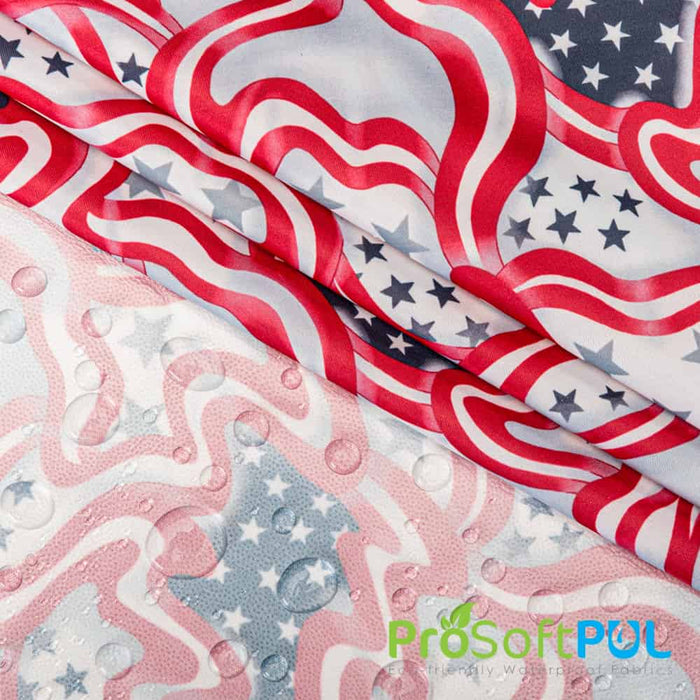
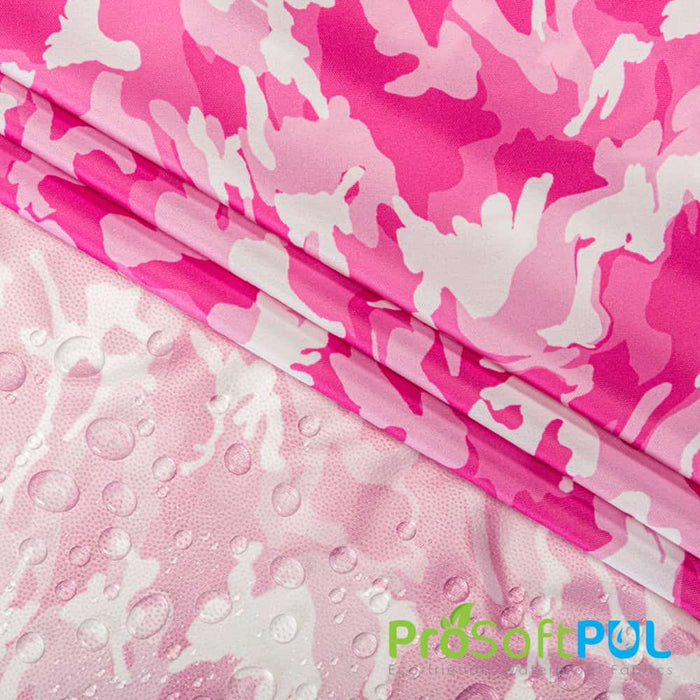
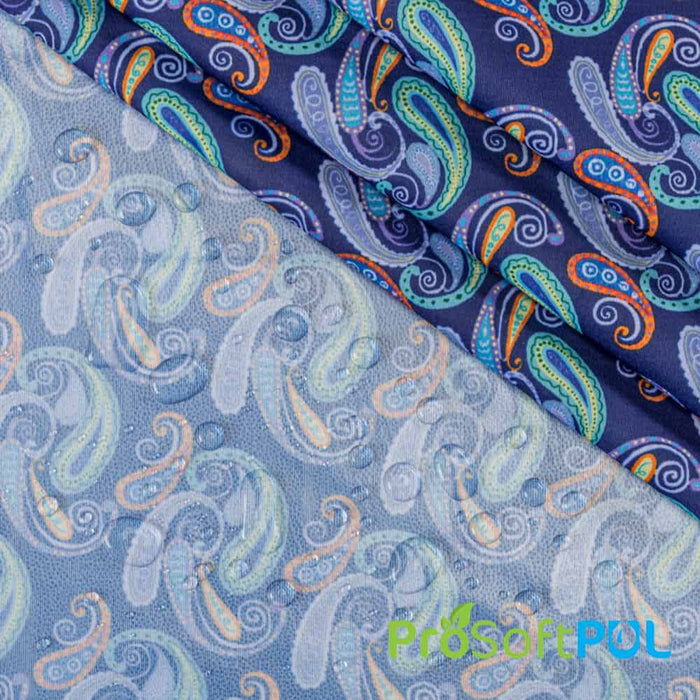
Drop water on the film side
It stays out — exactly like the Standard.
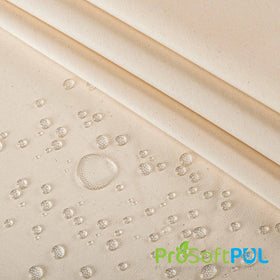
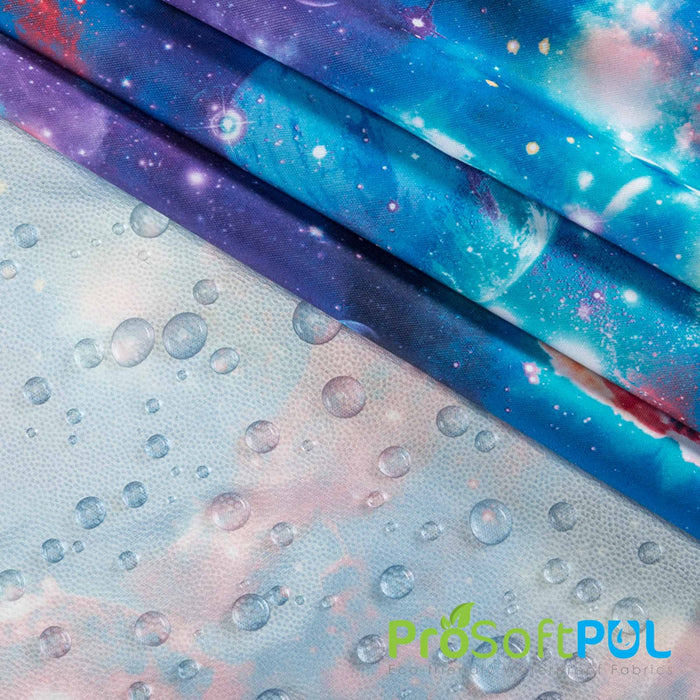
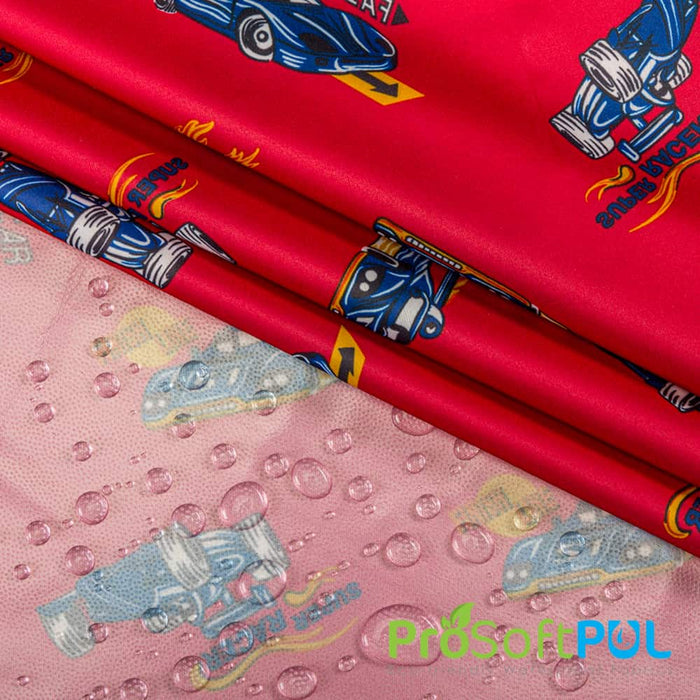
Pour a spoonful on the film side and turn it over — the reverse is dry. The print changes nothing about the barrier; the line holds the same way it holds on a solid.
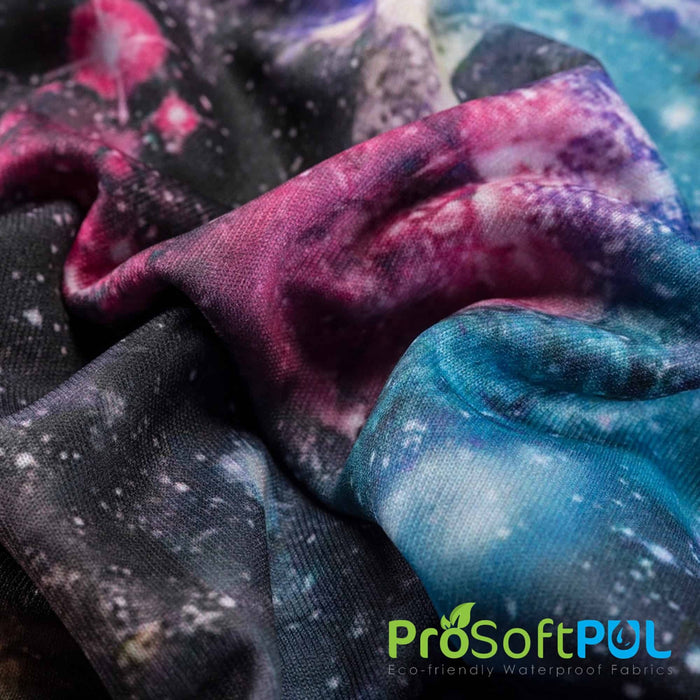
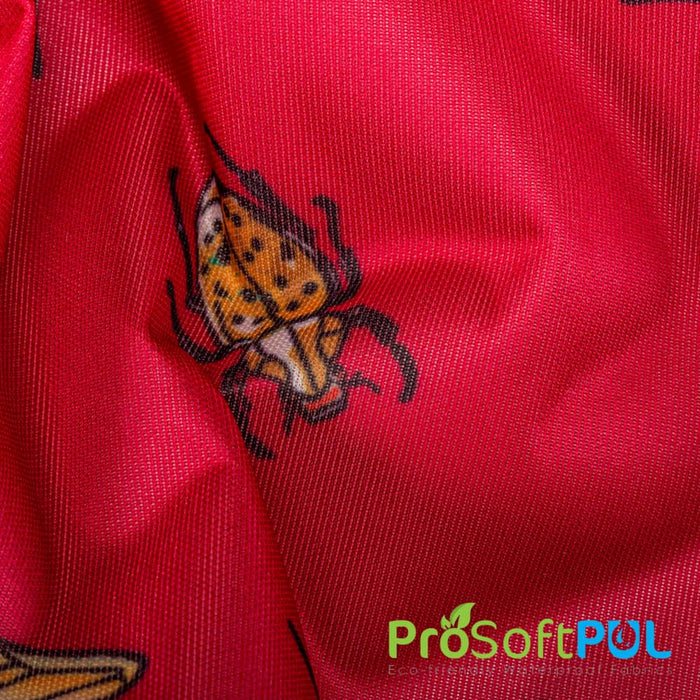
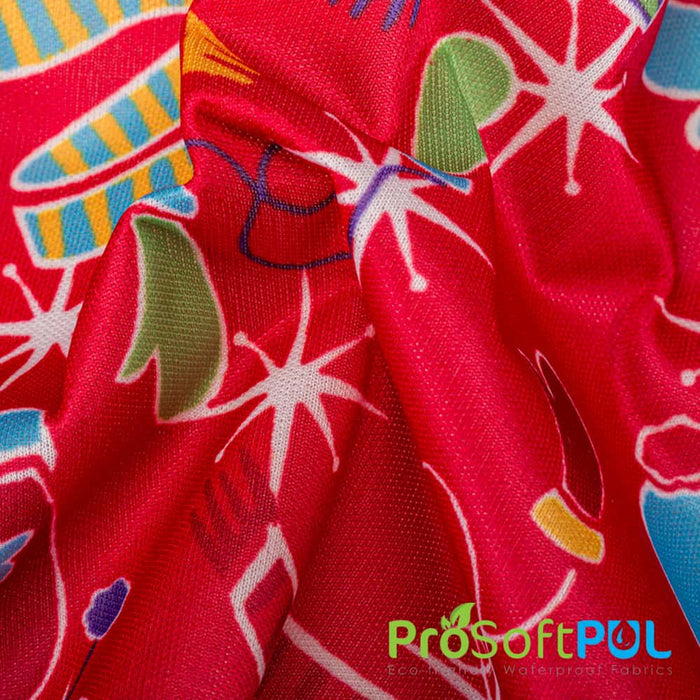
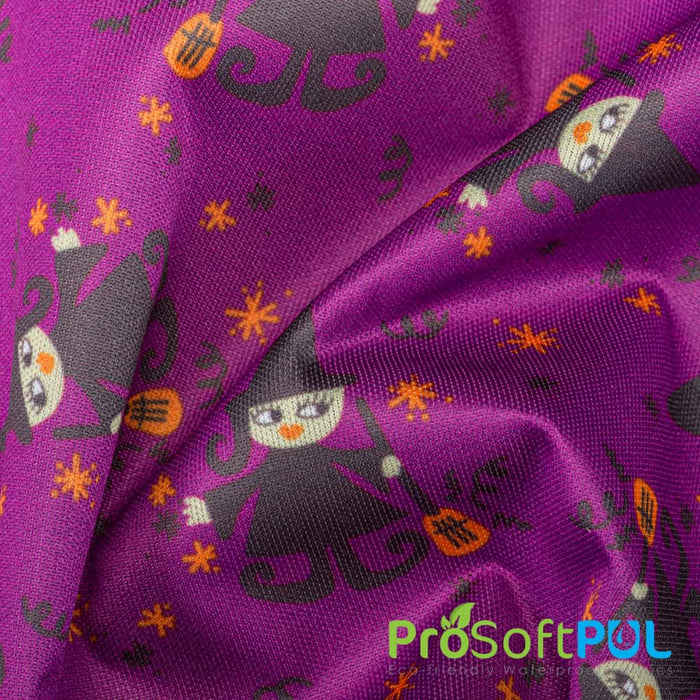
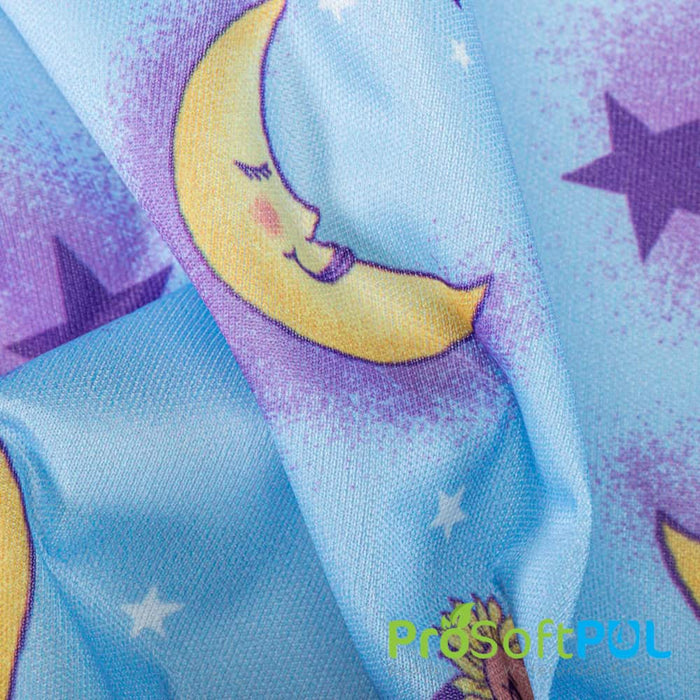
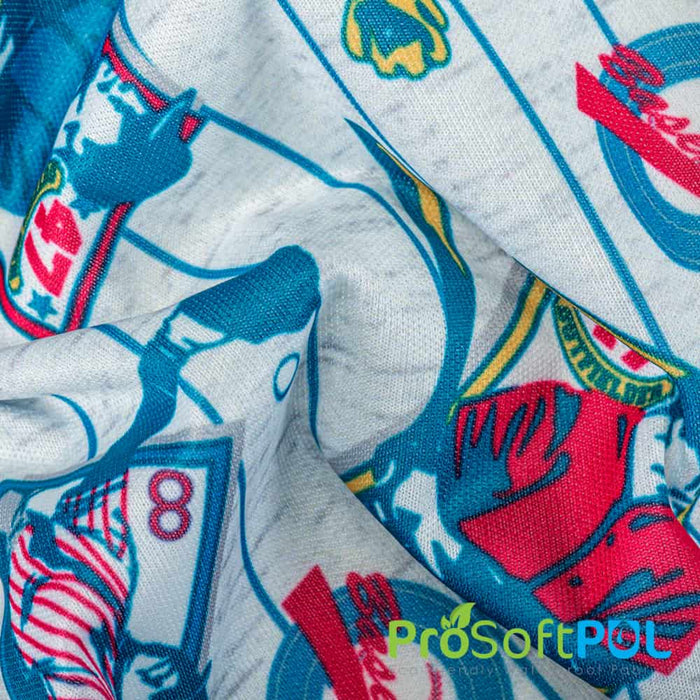
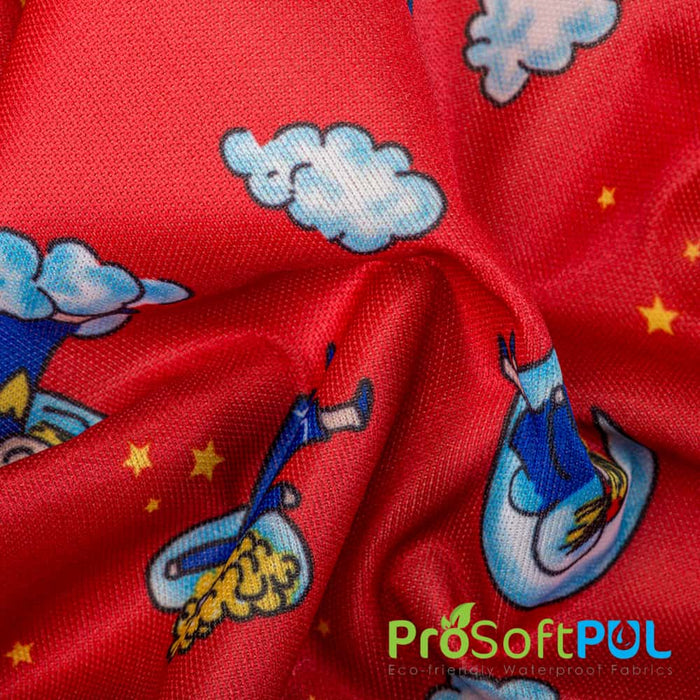
Then look at the face
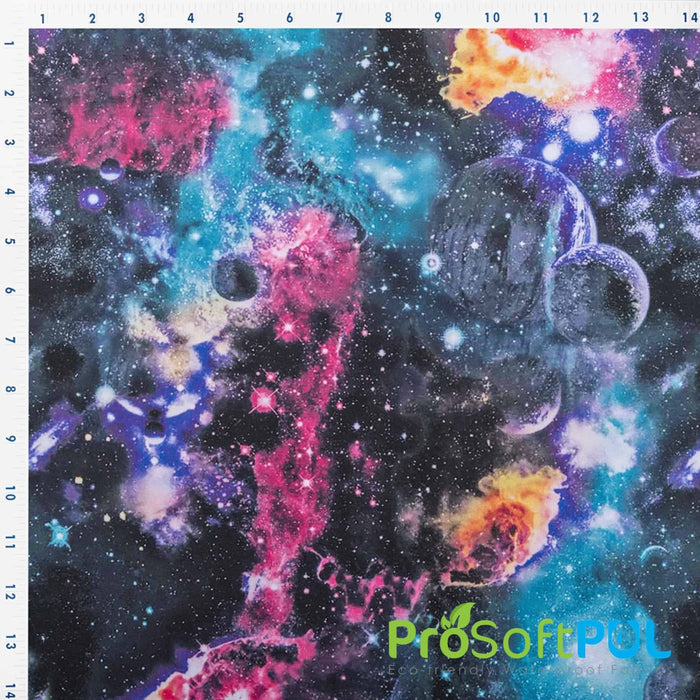
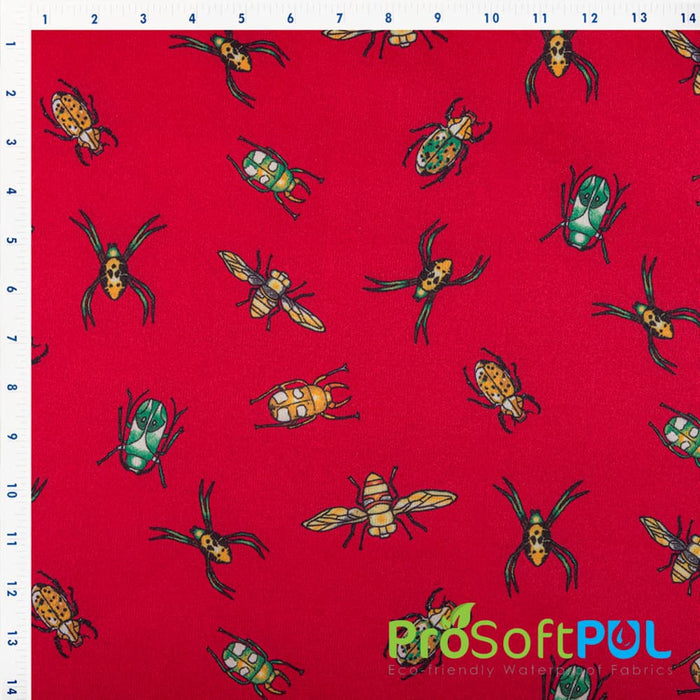
Plan the repeat before you cut.
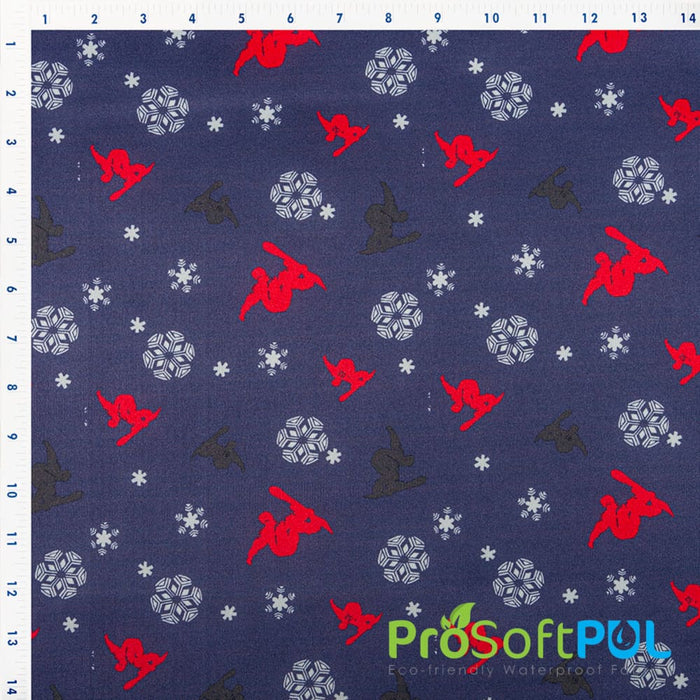
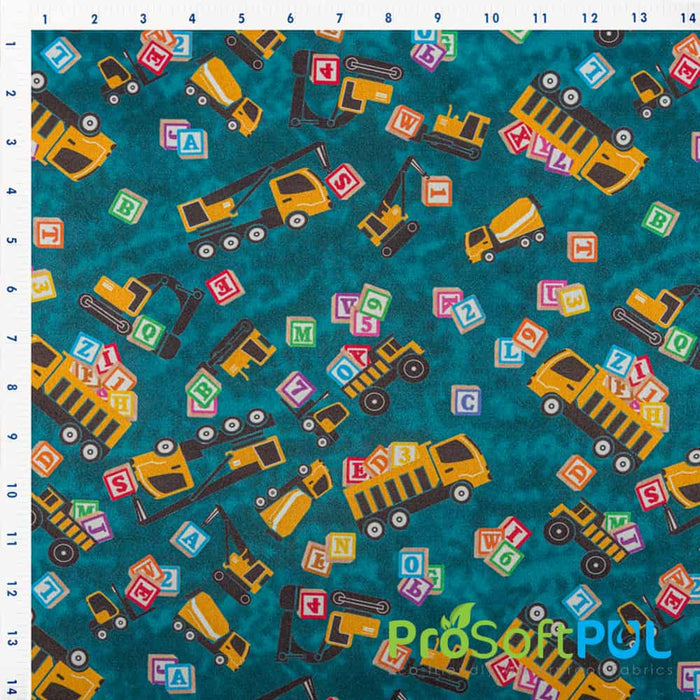
Lay a pattern piece on the print and find the repeat and the direction, the way you would any printed cloth. Prints run 56″–60″, so check your layout against the narrower width before you commit a cut.
Makers reach for the prints when the barrier is the show — the wipeable bib fronts, splash mats, and wet bags where the waterproof layer is also the part someone picks up and likes.
Also in this family — same 1 mil barrier, different dimension
Standard (W-375) — the solid, wider and simpler to cut, for less.
→Face Print (W-530) laminates the film onto the printed side.
→Silver Print (W-509) adds Silver Plus antimicrobial.
→The print also runs on a recycled REPREVE base (W-319) and a FoodSAFE base (W-512). Unsure? Tell us what you’re making — we’ll point you to the right face.
The line is drawn once, and it holds — that never changes. Print only dresses the face for the products where the barrier is meant to be seen. For those, that’s the whole point.
The truth · how it holds the line
A waterproof barrier has to do two things that fight each other: stop liquid completely, and still breathe and move like cloth. Here’s how this one does both — starting with the bond that makes it permanent.
The waterproof film is bonded to the knit by heat alone — ECO-Thermal Bonding — with no glue, no solvent, nothing placed between the layers. So there is nothing between them to soften and separate. Where glued PUL fails, the adhesive lets go; this has no adhesive to let go.
Waterproof 300X: it holds liquid out under real pressure — 225 psi hydrostatic (ASTM D751) — and keeps holding it through 300+ wash cycles. The event stays on one side, the world stays on the other, and the line does not move.
Most “waterproof” means airtight. This doesn’t. It passes about 850 g/m² of moisture vapor a day (MVTR, ASTM E96) — so worn against a body for hours it stays a barrier without becoming a sweatbox. Liquid water can’t get through; water vapor can. Waterproof and breathable, at the same time.
It stops liquid; it doesn’t soak it up. That’s the whole job — but it means for anything that catches fluid you pair it with an absorbent core above (like Zorb), and for a fully waterproof product you seal or enclose your seams, because a plain needle line is a row of small holes. SilentFlex keeps it draping like cloth through all of it, never crinkling like plastic.
Certified — and free of what shouldn’t be there
ProSoft 1 mil ECO-PUL is CPSIA certified — Consumer Product Safety Improvement Act, sections 101 and 108 — the mandatory U.S. federal standard for children’s products (lead, phthalates, flammability). Also California Prop 65 compliant, EU REACH SVHC compliant, and EU RoHS compliant. Made in the USA by AKAS Tex.
no PFAS · PFOA · PFOS
heat-fused — no laminating adhesives
domestic supply chain, AKAS Tex
Forever Chemicals-Free is the one worth pausing on: most waterproof and coated fabrics reach for PFAS to shed water. This one doesn’t — the waterproofing is the fused film itself, not a chemical finish. That’s the difference between this and the category it sits in.
CPSIA certification of the fabric does not automatically certify your finished product. Depending on how you construct and seal it, your finished item may need its own testing. The validation begins with us. It passes through you. It lands with the person who receives what you made — and now you know exactly what to tell them.
From Arch
The full truth — before you buy
I want you to know a few things before you buy this, because I’d rather you hear them from me than find them after.
A light manufacturing odor from the thermal bonding process — not a chemical to worry about. A wash and some open air clear it. Being honest, for a few people it fades rather than vanishing at once; if yours has a scent, wash it and let it breathe before you cut.
It stops liquid; it doesn’t soak it. For anything that catches fluid — a diaper, a pad — pair it with a Zorb core above it. It’s the layer that holds the line, not the one that drinks.
Fabric softener, dryer sheets, chlorine bleach, and high dryer heat will end the bond — permanently. The Care tab names all of them. Nothing else on this page matters if softener touches it.
A plain seam resists water, but the needle line is a row of small holes. Tape or enclose your seams for anything that has to be fully waterproof.
Depending on how you build it, your item may need its own testing. That boundary is real, and respecting it protects the people you sew for.
Waterproofing is exactly where the forever chemicals hide — most PUL and coated fabrics carry PFAS. Ours doesn’t; the barrier is the film itself, not a chemical finish sprayed on. It’s made in the USA by AKAS Tex — our family’s manufacturing company — finishing in Bensalem, Pennsylvania.
Sew well.
Bensalem, Pennsylvania
Specifications
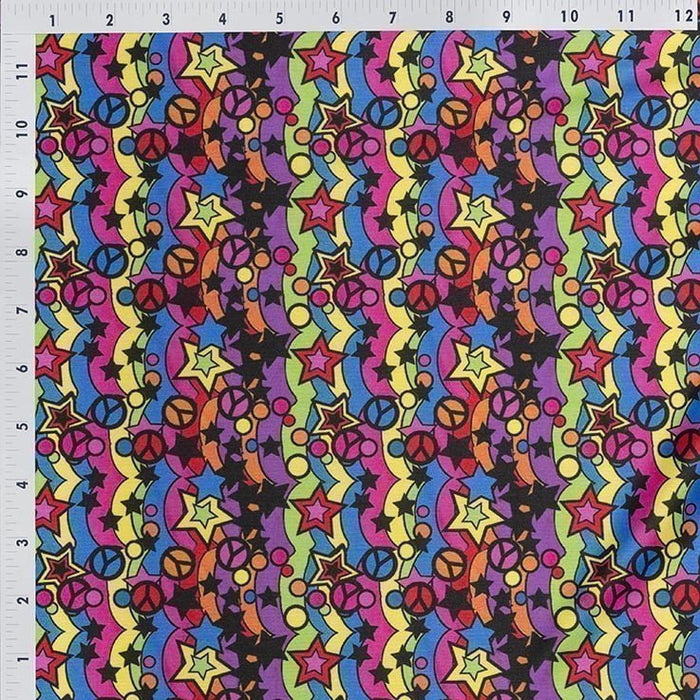
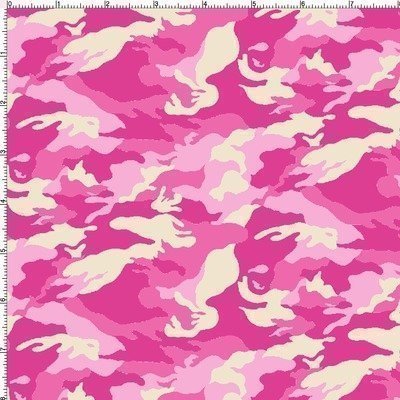
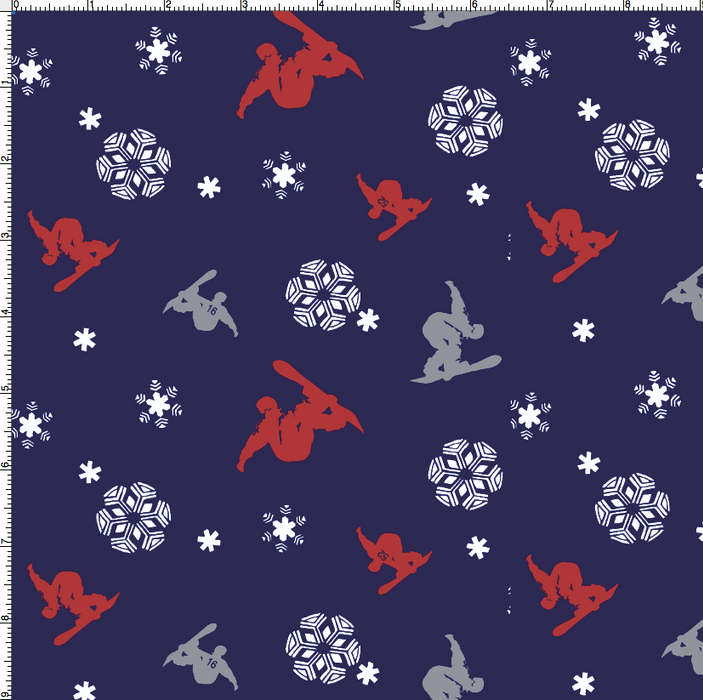
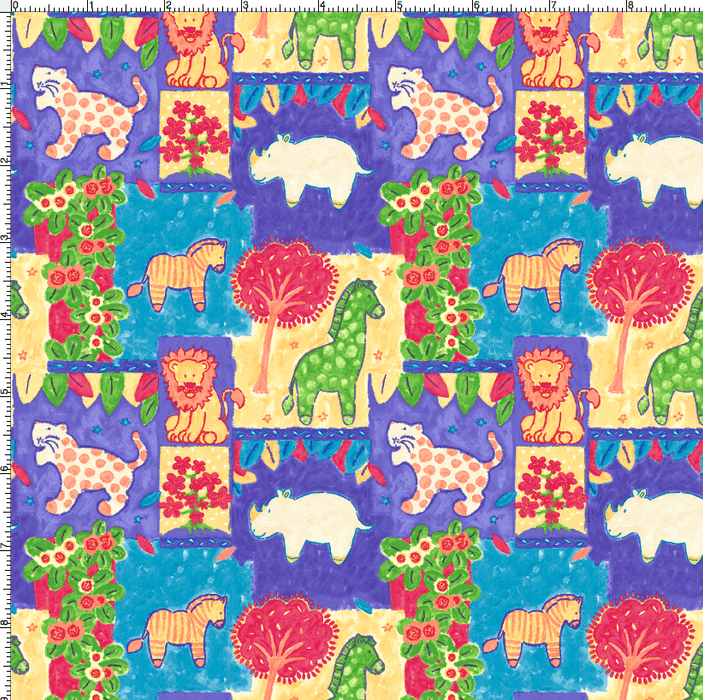
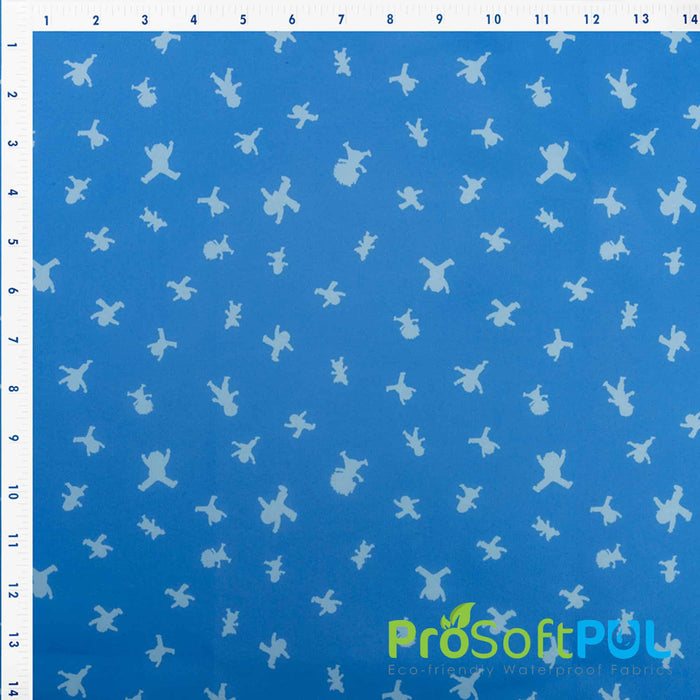
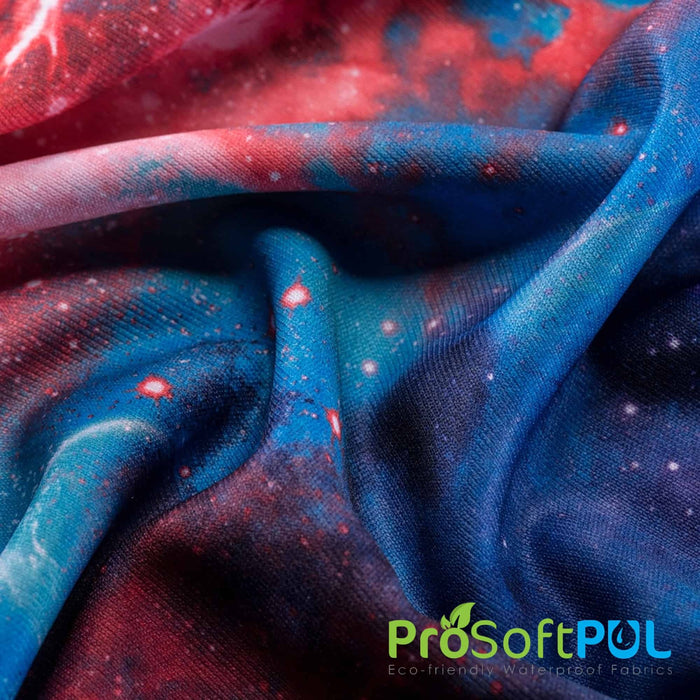
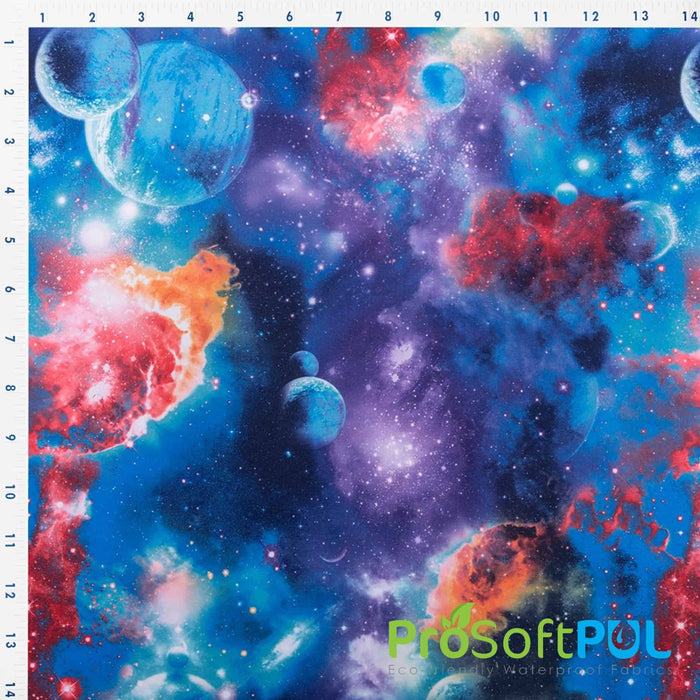
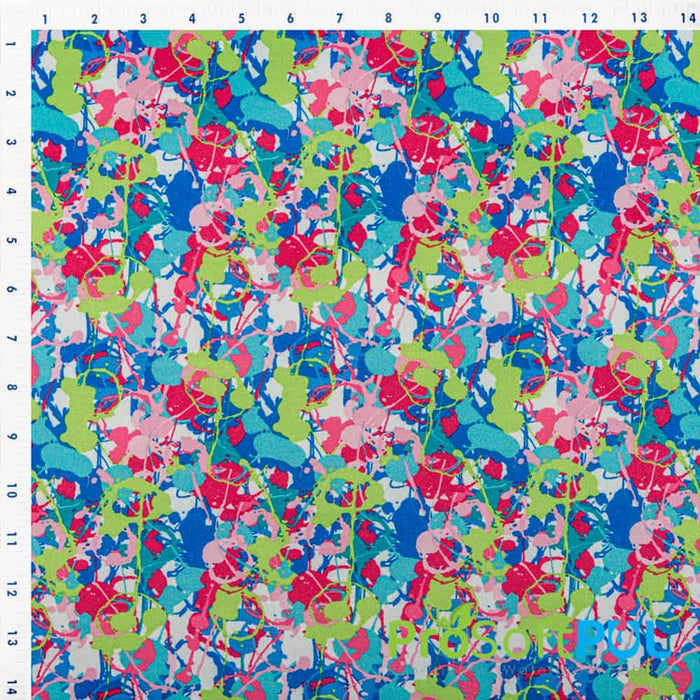
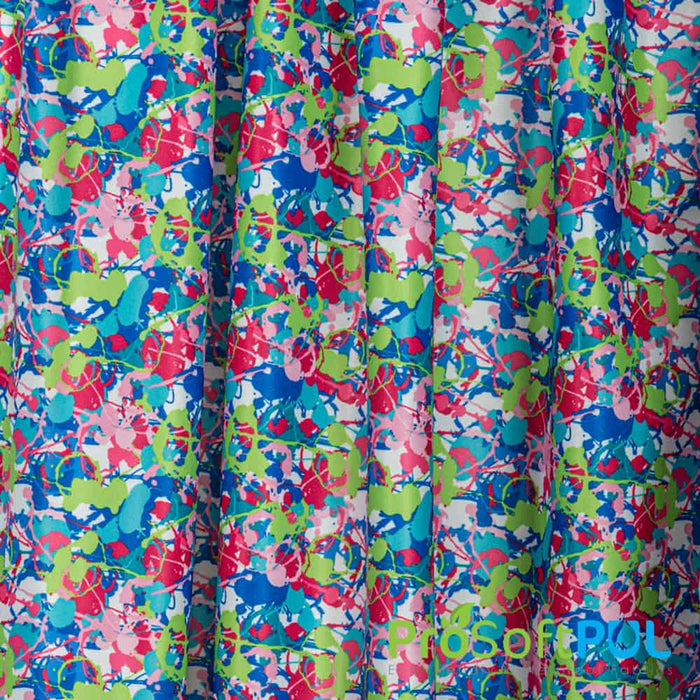
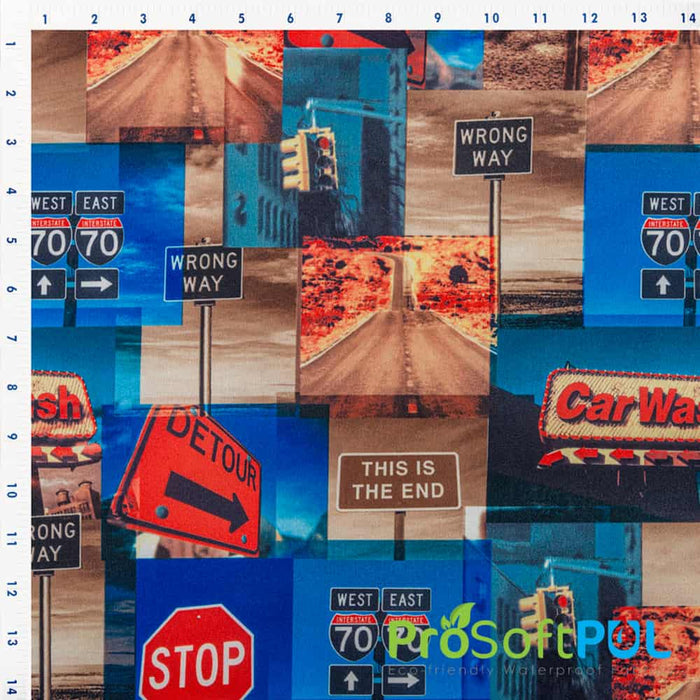
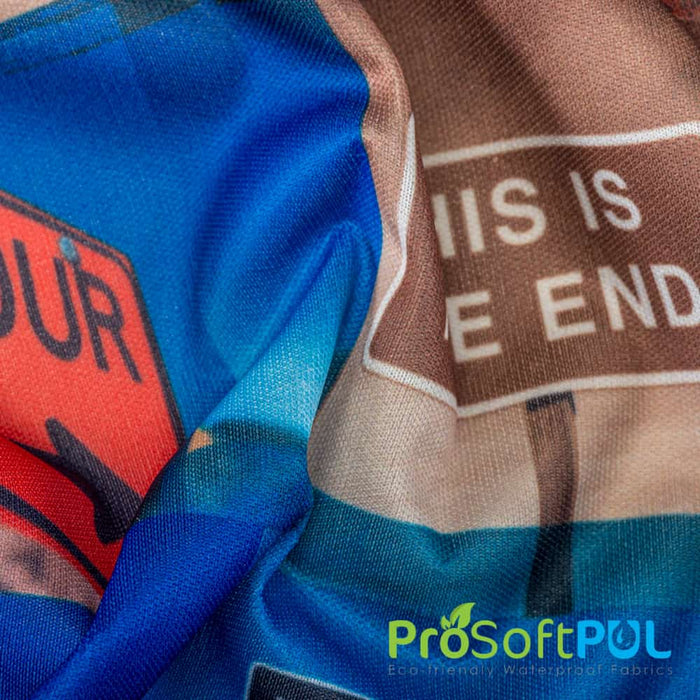
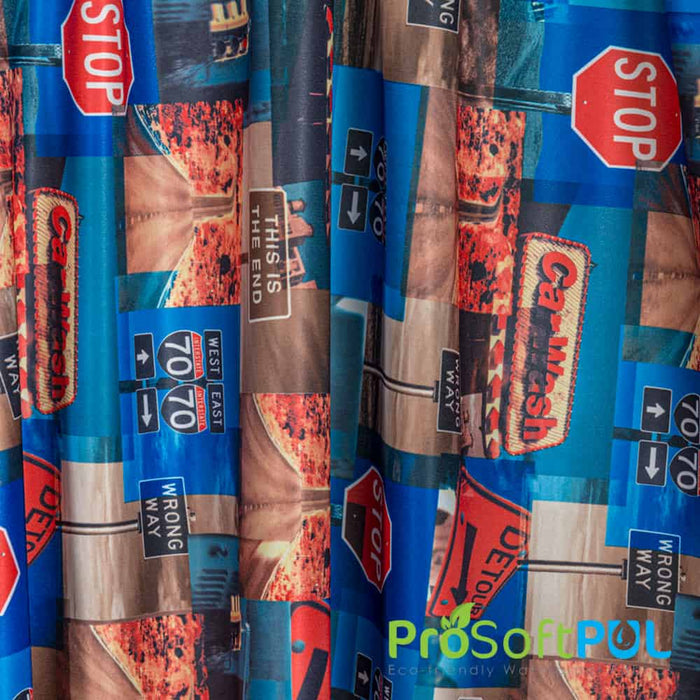
ProSoft Waterproof 1 mil ECO-PUL Print (W-510): the Standard barrier with a decorative printed face.
| Specification | W-510 · Print |
|---|---|
| Weight | 155 GSM (4.6 oz/sq yd) |
| Thickness | 0.018″ |
| Width | 56″–60″ (printed — plan the pattern repeat) |
| Fiber composition | 75% polyester / 25% polyurethane |
| Waterproof rating (hydrostatic) | 225 psi — ~158,000 mm H2O (ASTM D751) |
| Wash durability | 300+ cycles, still waterproof |
| Breathability (MVTR) | 850 g/m²/24h (ASTM E96) |
| Burst strength | 152 psi (ASTM D3786) |
| Stretch (width) | 10% |
| Stretch (length) | Minimal |
| Edge finish | None — cuts clean, self-finishing |
| Shrinkage | Minimal, both directions |
| UPF | 25–35 (darker colors test higher) |
| pH | 7.4 (neutral) |
| Treatments available | Print (this) · Standard · Face Print · Print Silver · REPREVE Print · FoodSAFE Print |
| CPSIA | Certified |
| Made in USA | Yes — AKAS Tex |
The workbench
Every pin is a hole, and every hole is a place water gets through. Hold your seams with Wonder Clips or hem clips, never pins. It’s the first rule PUL makers learn and the one they never unlearn — a waterproof barrier is only as waterproof as the holes you didn’t put in it.
Cutting
The laminate edge is self-finishing — it won’t fray, so no serging or edge treatment is needed. Cut cleanly to your pattern. Face the film side toward the wet side; the knit side is the side you’ll usually want against skin or showing.
Give it a wash before the first cut to clear any manufacturing residue. It shrinks very little, so cutting before or after washing is fine — the wash is for residue and odor, not dimension.
It’s a print — mind the direction. The pattern has a repeat and an orientation, so lay out and cut it the way you would any printed cloth, and check your layout against the 56″–60″ printed width before you commit a cut.
Sewing
Needle: a universal or ballpoint needle. Stitch length: slightly longer than usual — fewer, larger holes. Thread: all-purpose polyester.
For a fully waterproof seam, seal it with PUL seam tape or enclose it (French seam, or turned-and-topstitched). A plain straight seam resists water, but the needle line itself is a series of small holes — fine for a diaper worn inside a cover, not enough for a wet bag that has to hold liquid. Test your build the way it will actually be used.
ProSoft 1 mil is the barrier — the bottom of the stack. For anything that catches fluid, you build absorbency above it and choose the face that touches skin.
The absorbent core (above)
the fast super-absorbent core — the classic pairing for cloth diapers, inserts, and pads. Zorb catches; ProSoft holds the line beneath it.
a soft natural-fiber absorbent layer when you want a bamboo face and body in the same piece.
The skin face (optional, topmost)
a hydrophobic stay-dry layer so skin feels dry through long wear, over the absorbent core.
a smooth athletic-wicking face for period products and body-worn builds.
Cloth diaper / all-in-one
Core + barrier
The classic build: Zorb catches, ProSoft holds. Add a stay-dry topper if the skin side needs to feel dry through long wear.
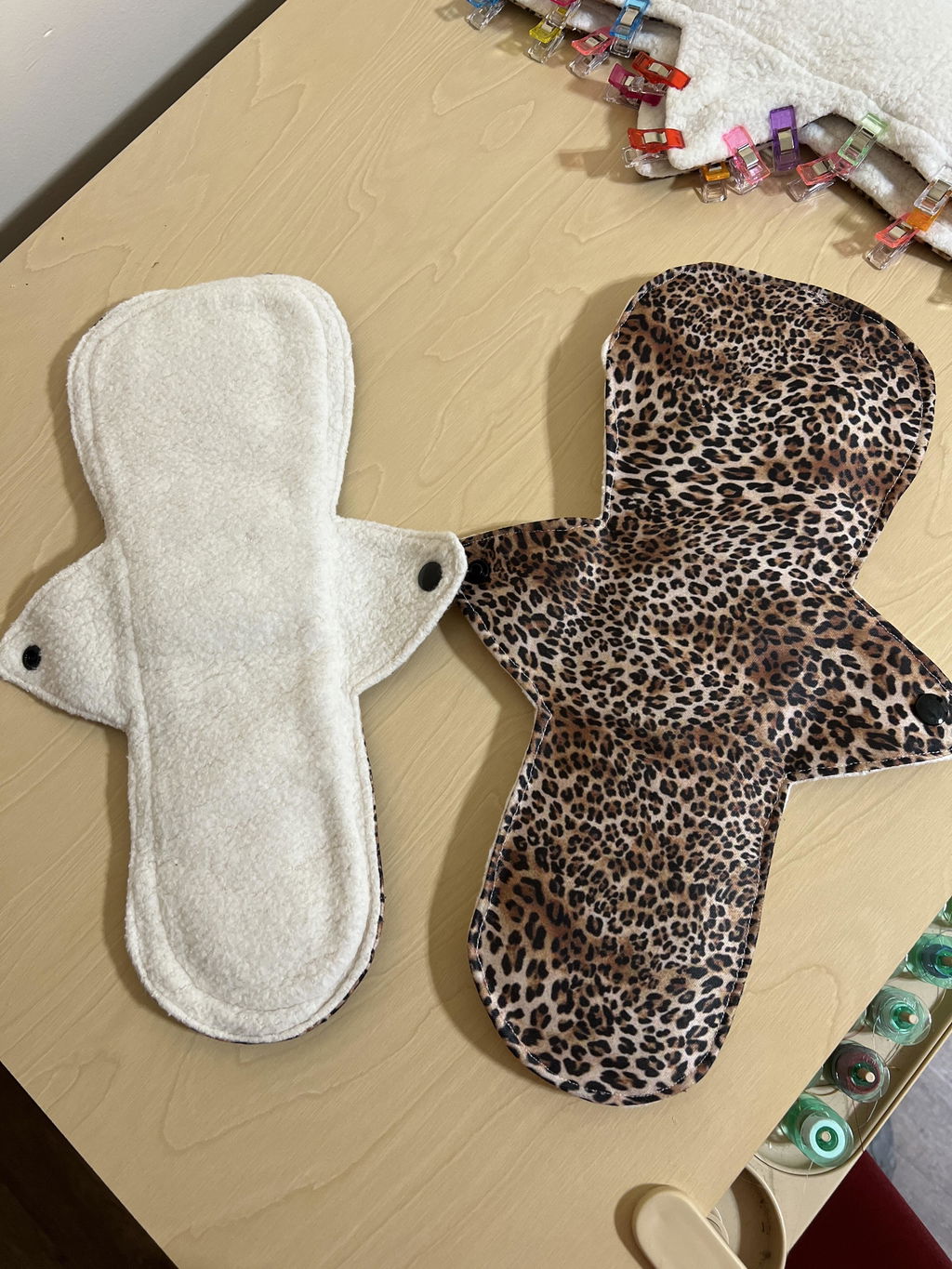
Reusable menstrual pad
Soft face, sealed edge
The waterproof backing under an absorbent core. A single thin barrier keeps the pad trim while it holds the line.
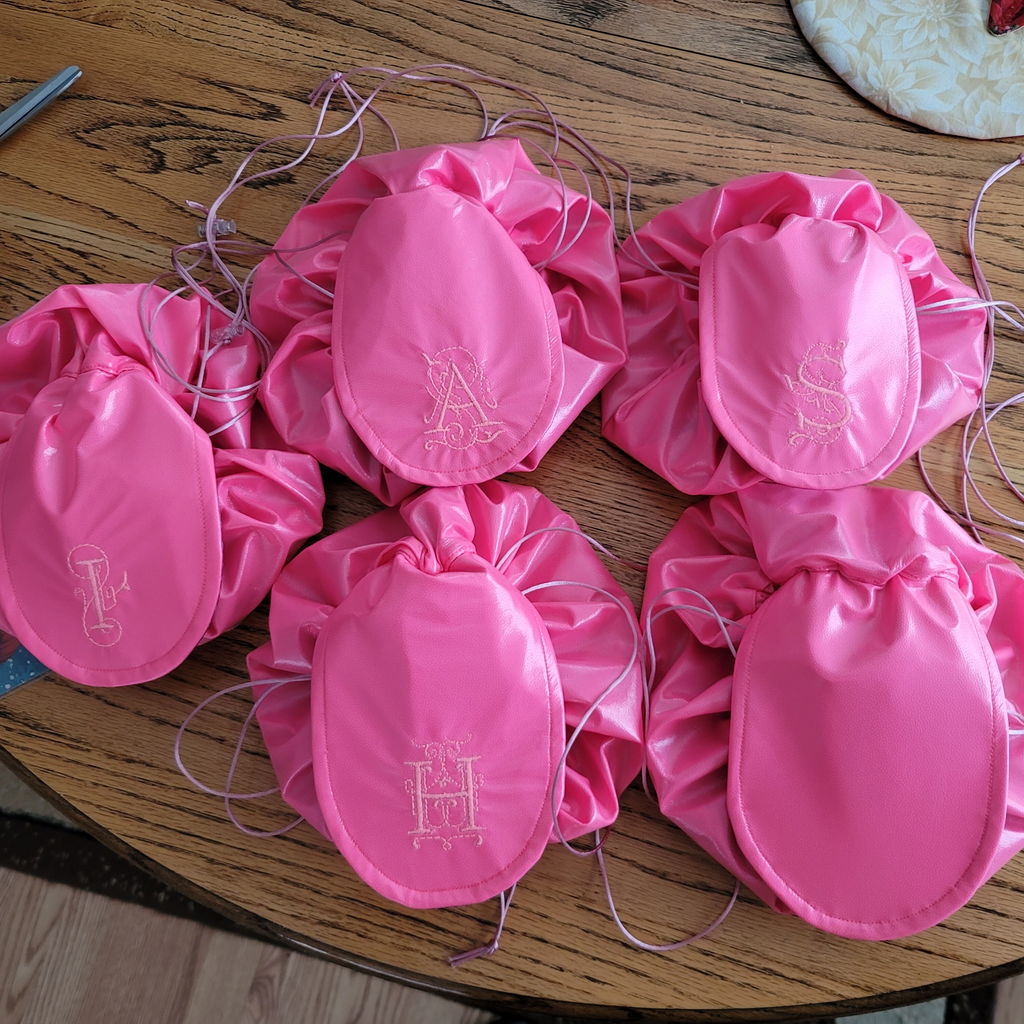
Wet bag / pail liner
Standalone, seams sealed
On its own, with taped or enclosed seams and a zip — it holds liquid in. This is the build where sealing the seams is not optional.
Your results may vary with design, construction, and end use — and if you find a stack we haven’t listed, tell us. That’s how most of these were found.
It runs 58″–60″ wide. For heavy or overnight use, add absorbency in the core (more Zorb) rather than doubling the barrier — one waterproof layer is already waterproof. If you need a tougher, thicker shell, step up to the 2 mil ECO-PUL rather than layering two 1 mil sheets.
From the workbench
Clips, not pins — and seal your seams. Those two, every time. Everything else about sewing this is forgiving.
The keeping
The waterproofing is the fused film itself, not a finish that wears off. Treated right, the barrier is rated through 300+ wash cycles — it outlasts almost anything you sew it into.
Hot water is safe — rated to 145–165°F — though warm water extends the film’s life. Use a zero-residue liquid detergent. Add an extra rinse to clear detergent residue, which accumulates on and degrades the film over time.
Low to medium heat only — never above 130°F (50°C). Above that, the polyurethane breaks down: stiffening, then cracking, then delamination. Line drying is always safe.
Shield the film side from direct agitation where your construction allows — it extends the barrier’s life. The waterproofing is the film itself, so what protects the film protects the fabric.
Avoid — the destroyers, in order of consequence
When a maker tells us a PUL failed, the culprit is almost always the drying cycle. Get the wash and dry right and the bond you were promised is the bond you keep.
One more time
If you remember two things: no fabric softener, and no high heat. Those are the only ones I’ll repeat.
The makers
Print is reached for when the waterproof layer is also the part someone sees — the outward, decorative face of a product. Here’s where it’s working.
the core case — a printed waterproof face that’s both the look and the wipe-clean surface.
decorative, waterproof surfaces where the pattern is part of the appeal.
patterned waterproof bags where the barrier is the outer, visible layer.
decorative waterproof pouches chosen for the print.
patterned waterproof covers, mats, and liners where looks matter.
printed reusables that get picked off a shelf for the design.
If your use isn’t on the list, it might be the next entry.
Order a swatch, check the print and confirm the barrier performs like the Standard, and tell us what you built. The print changes the face, not the fabric.
Frequently spoken answers
The questions makers actually ask — answered the way we’d answer them at the counter. And two answered by the founders themselves.
Standard is the plain 1 mil barrier — the platform all the others are built on. Silver (W-274) adds Silver Plus antimicrobial for freshness between washes; FoodSAFE (W-396) adds FDA food-contact certification; REPREVE (W-675) puts the same barrier on a recycled base; HydroSHIELD (W-374) adds surface water-repellency; Heavy Duty is the thicker 2 mil; Print (W-510) is a printed face. This one wears a decorative printed face (56″–60″, plan the repeat); the print is cosmetic and the barrier is identical to the Standard.
Choose Standard when your project doesn’t need one of those specific dimensions — which is most of the time.
It depends on the job. It’s a barrier, not an absorber — so for anything that catches fluid (diapers, pads), pair it with an absorbent core above it (like Zorb).
For a wet bag or pail liner, it works on its own — one layer, with the seams taped or enclosed so nothing escapes.
Sometimes, fresh off the roll — a faint manufacturing odor from the thermal bonding process. It isn’t a chemical to worry about, and it airs out with a wash and some time in open air. Being honest, for a few people it fades rather than vanishing instantly — if yours arrives with a scent, wash it and let it breathe before you cut.
Only from the things on the Care tab — fabric softener, dryer sheets, chlorine bleach, vinegar, baking soda, high dryer heat. With a zero-residue liquid detergent and low dryer heat, the bond holds through 300+ wash cycles. Delamination on this fabric is almost always a care story, not a fabric story.
Face the film side toward the moisture — the side the wet reaches. The knit side is the side you’ll usually want against skin or showing.
Only if your project goes hours between washes — overnight diapers, pads worn through a long day, pet bedding that sits. Silver Plus works in those hours. If you wash after every use, the washing does that job, and the Standard does everything else identically.
No — the Standard isn’t food-contact certified. That’s the FoodSAFE variants (W-396, W-512, W-392), tested on both faces under FDA 21 CFR 177.1680 and 175.300. The Standard performs identically on waterproofing; it simply hasn’t been certified for direct food contact. If your project touches food, choose knowing, not hoping.
It’s cut to order, so it can’t be returned once cut — which is exactly why we’d rather you start with a swatch. A swatch is a few dollars and it answers the question in your hands before you commit a yard.
Founder’s answer · from the mill floor
Why does the bond last when glued PUL fails?
Because we don’t glue it. We fuse the film to the knit with heat — ECO-Thermal Bonding — so there is no adhesive layer sitting between them. What fails on other PUL is the glue: it softens in hot washes and lets go, and the film peels. Ours has no glue to fail. That’s the whole reason the bond is permanent — not a coating we added, but a layer we left out.
Founder’s answer · from the counter
Is it really waterproof if it breathes?
That’s the question that sounds like a contradiction, and it isn’t. Waterproof means liquid water can’t get through — and it can’t, even under real pressure. Breathable means water vapor can pass — and it does, about 850 grams a day. They’re different sizes and different rules: the flood stays out, and a body can still breathe against it for hours. Don’t take my word for it — drop water on the film side and then hold it up to your breath. The water stays out; the warmth passes through.

Made in USA
Proudly committed to American craftsmanship, every fabric we offer is designed, sourced, and manufactured in the USA, ensuring top quality, supporting local jobs and low carbon footprint.

Eco-Friendly
Each eco-friendly fabric from Wazoodle is a statement of sustainability, designed to leave a gentle footprint on the earth while providing consumers with high-quality textile options.

PFOS Free
With PFOS-free fabrics, Wazoodle takes a stand against persistent pollutants, offering textiles that are safer for both customers and the ecosystem. PFOS = Perfluorooctane Sulfonate

PFOA Free
PFOA-free fabrics at Wazoodle underscore their commitment to non-toxic textiles, aligning with their pledge for environmental and consumer well-being. PFOA = Perfluorooctanoic Acid.

BPA Free
Wazoodle ensures that our BPA-free fabrics maintain the highest safety standards, free from controversial chemicals that are used to make plastics, for customer peace of mind. BPA = Bisphenol A.

Breathable
Wazoodle's Breathable fabrics are a top choice for activewear manufacturers. They allow for effective moisture and air passage, crucial for maintaining comfort during physical activities.

Hypoallergenic
Wazoodle's hypoallergenic fabrics are specifically designed for those with sensitive skin, offering a soothing touch that is free from common allergens and irritants, ensuring comfort and safety.

Waterproof
Wazoodle's Waterproof fabrics offer complete moisture protection. These materials ensure that items stay dry in wet conditions, providing reliable leakproof protection, performance and durability.

Child Safe
Wazoodle's child-safe fabrics are rigorously CPSIA tested and approved; making them perfect for creating a worry-free environment for children and prioritizing the health and safety of our little ones.

CPSIA Certified
Wazoodle Fabrics ensures reliability and trust by adhering to the stringent CPSIA safety standards set by the CPSC in 2008, certifying all our American-made textiles for consumer confidence.

Vegan
Wazoodle Fabrics caters to the compassionate consumer with the collection of vegan fabrics, ensuring no animal products are processed or used, aligning with ethical fashion and manufacturing principles.

Latex Free
Wazoodle's Latex-free fabrics are a boon for allergy sufferers, offering responsible and high-quality textiles without the risk of latex-induced reactions that can have an adverse effect on the health

Chemical Free
Wazoodle's commitment to safety and sustainability is evident in our chemical-free fabrics that provide a safe, non-toxic textile choice, reflecting dedication to health and the environment.
All the fibers and yarns we use are sourced directly from local mills right here in the United States.
There are no PFAS, PFOA, lead, dioxins, heavy metals, BPA, phthalates, formaldehyde, or nanoparticles in our fabrics.
All of the partnerships we work to establish are done with an eye towards greater sustainability for all of us.
We melt-bond specially-treated TPU film to our fabrics for a highly-durable protective waterproof layer.
Our American facilities follow all labor laws and provide our employees with safe workplace practices.
We closely monitor our textile facilities in order to use EPA-compliant processes that don´t pollute the environment.
Are you overwhelmed with the choices available? Or not sure which product will work for your application?
Drop us a detailed message and we'll help identify the Right Fabric for YOU!