What's New at Wazoodle
What's New

Future-proof textiles are revolutionizing how we approach fabric selection by offering multi-layer engineering that adapts to changing seasons, growing families, and evolving health needs. Unlike traditional single-purpose fabrics, Wazoodle's layered fabric systems combine absorbent cores, waterproof barriers, and moisture-wicking technologies to deliver year-round performance. These engineered solutions reduce waste, eliminate the need for constant repurchasing, and provide sustainable alternatives that grow with users over time. From healthcare applications to outdoor gear, these multi-functional fabrics are transforming industries while supporting eco-friendly manufacturing practices in the USA.
a. Multi-layer engineering outperforms single fabrics – One layer of Zorb absorbs liquid 20 times faster than conventional materials and can replace up to eight layers of flannel, reducing bulk while increasing performance.
b. Seasonal adaptability eliminates fabric waste – Engineered fabric systems manage moisture, temperature, and comfort across all seasons, preventing the need to buy different materials for changing weather conditions.
c. Life-stage versatility supports growing families – These adaptive textiles work for baby care, elder care, pet products, and athletic wear, making them ideal investments that evolve with changing household needs.
d. USA-made sustainability meets performance standards – All Zorb fabrics are manufactured domestically from American materials without harmful chemicals, combining environmental responsibility with superior functionality.
e. Professional-grade reliability spans multiple industries – From healthcare settings to athletic apparel manufacturing, these layered systems deliver consistent performance in demanding commercial applications.
Life rarely stays the same for long; our bodies change, our families grow, and the seasons move in constant cycles. And yet most fabrics are built for just one moment in time. That’s why future-proof textiles matter: they’re designed to adapt right alongside us.
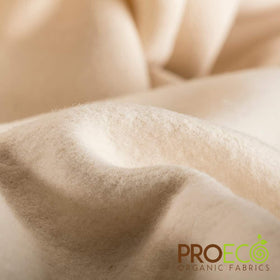
For one customer, this adaptability became essential. “My husband has been suffering with hot flashes and sweats as a result of his cancer treatments… we have actually started sleeping through the night without soaking the sheets… I am using it myself now for relief from my own hot flashes.” — Uri B., ProECO Super Heavy Bamboo Fleece.
A single fabric meeting the evolving needs of two adults facing changing health conditions is the essence of what true seasonal fabric solutions should deliver.
And it’s not just a personal need, it’s a growing national trend. The U.S. eco-friendly fabric market is expected to grow at 11.4% CAGR through 2027, driven by demand for durable, multi-functional, long-lasting materials (Wazoodle.com).
These shifts reveal a simple truth: traditional single-layer fabrics struggle when temperatures fluctuate, when children outgrow products, or when health and comfort challenges evolve. By contrast, engineered layers rooted in textile engineering and composite fabric construction offer stability through change.
So, as you begin planning your next project, it’s worth asking: how to layer waterproof and absorbent fabrics for seasonal projects in a way that truly lasts? The answer begins with understanding the science behind adaptive textile technology, built to perform in every season of life.
Even when customers try to prepare for changing weather, growing children, or shifting comfort needs, traditional materials still fall short. Many people buy cotton, bamboo, or hemp knits believing they’ll work year-round, but these single-purpose fabrics simply can’t deliver true seasonal fabric solutions. Textile experts note that they lack the integrated absorbency, waterproofing, and thermal stability needed to perform across life’s shifting demands (Textile World).
This mismatch leads to unnecessary waste: constant repurchasing, layering hacks that add bulk, and “temporary fixes” that never quite solve the comfort issue. Research on layered clothing systems shows that layer interchanging double cloth technologies reduces production costs and resource use, improving both performance and sustainability (International Journal of Molecular Sciences). In other words, users get more durability and better function from thoughtfully engineered multi-layer textile solutions than from any single fabric.
Real customers feel this gap firsthand. “My dog is more prone to heat stroke during summer hikes… I bought some ProCool fabric… It surprisingly works,” shared LeBennu, showing exactly why consumers are seeking textiles with built-in thermoregulating benefits.
So the real question becomes: What are the best multi-functional fabrics for future-proof sewing? The answer lies in understanding the principles of performance fabric engineering and the role of thermoregulating materials, the foundation of next-generation textile design.
Creating fabrics that perform year-round requires more than adding thickness or stacking conventional materials. True durability and adaptability come from layered fabric systems, engineered from the fiber level upward. This is where Wazoodle’s work in textile engineering sets the benchmark.
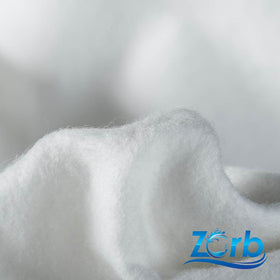
At the heart of these systems is Zorb, a material engineered for speed, capacity, and efficiency. Independent reporting shows that one layer of Zorb absorbs liquid up to 20 times faster than conventional materials and can replace up to eight layers of flannel (Nonwovens Industry; Zorbfabrics.com). This performance is no coincidence; it’s the result of a 3D fiber matrix designed to maximize surface area, movement, and absorption rate.
The advantage compounds when layers work together. According to product testing, two layers of Zorb can replace nine layers of flannel, seven layers of French terry, or six layers of organic fleece, dramatically reducing bulk while increasing performance. This demonstrates the efficiency of composite fabric construction, where each layer serves a distinct function within a unified engineered fabric system.
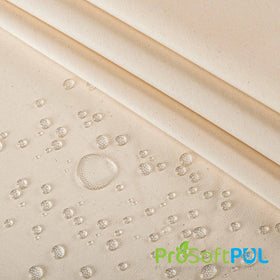
The innovation continues with Zorb® 4D Organic Cotton Dimple Waterproof PUL Soaker Fabric, which integrates:
Textile World highlights this as a breakthrough in multi-layer performance, delivering absorbency and leak protection many times faster than bamboo, cotton, or hemp knits.
Customers feel this difference in real-world use. “I use 2 layers of Zorb sandwiched between Birdseye cotton… I’ve had the best results with the 3-layered insert, overnight, 7+ hours, no leaks,” shared Nia Bellomee, capturing the essence of user-driven adaptive textile technology. It’s a powerful reminder that layering is not theoretical; it's practical engineering that people can feel.
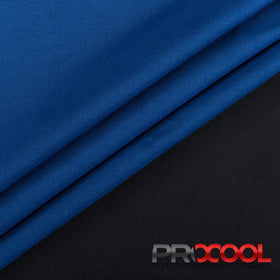
Performance extends beyond absorbency. ProCool TransWICK technology uses a hydrophilic–hydrophobic dual-fiber approach that moves moisture away from the body, accelerating evaporation for cool and dry comfort in heat. This is why professional athletes rely on it. As one customer, HSMS, noted: “We are using this fabric for our running apparel… excellent wicking ability.”
For waterproof applications, ProSoft SilentFlex eliminates the crinkle noise common in waterproof fabrics while retaining strength and breathability, an important innovation for healthcare, apparel, and discreet personal products.
And for those seeking natural fibers, ProECO SustainSafe offers bio-based, skin-friendly solutions manufactured without harmful chemicals, ideal for USA-made layered fabric systems for outdoor gear or sensitive-skin applications.
Together, these technologies form the foundation of Wazoodle’s multi-functional fabrics, solutions designed not just for one project or one season, but for every phase of life.
The true strength of engineered multi-layer textile solutions becomes most clear when the seasons begin to shift. Temperatures rise and fall, humidity levels change, and our comfort needs fluctuate just as quickly. This is where thoughtfully designed seasonal fabric solutions stand apart from traditional materials.
In the summer, performance depends on staying cool and dry. Wazoodle’s ProCool and Zorb technologies use a blend of hydrophilic and hydrophobic fibers arranged in a 3D matrix to wick moisture away from the skin and accelerate evaporation, keeping wearers cool even in intense heat. This is why so many pet owners, athletes, and outdoor enthusiasts rely on these fabrics during peak temperatures. One customer, LeBennu, shared: “I bought some ProCool fabric to make a bandana and shirt… it surprisingly works and cools him down,” showing real-world thermal regulation in action.
As the weather turns cold, these same fibers support insulation by managing moisture buildup, preventing the clammy feeling caused by sweat trapped under clothing. Effective seasonal fabric layering allows users to combine absorbent, insulating, and breathable layers for comfort that adjusts naturally to colder temperatures.
Spring and fall bring their own challenges: fluctuating temperatures, sudden storms, and unpredictable humidity. Here, sustainable fabric layering techniques for all-season textiles shine, pairing absorbent cores with breathable waterproof layers, ensuring comfort whether you’re dealing with rain, warmth, chill, or all three in a single day.
So, how do you layer waterproof and absorbent fabrics for all-season projects? The key lies in understanding how engineered layers interact. By selecting fabrics designed to manage moisture, airflow, and temperature at the fiber level, makers can build garments, accessories, and home goods that perform beautifully in every season of the year.
When materials are engineered with intention, they naturally adapt to a wide range of professional and commercial environments. Wazoodle’s multi-functional fabrics are built on this principle, delivering dependable performance whether they’re used in hospitals, athletic apparel, pet products, reusable goods, or engineered fabric combinations for long-lasting DIY projects.
Healthcare & Medical Use
Healthcare settings require materials that are safe, stable, and resilient. Textile World reports that all Zorb 4D fabrics are made in the USA from American-sourced raw materials, manufactured without harmful chemicals or finishes, and designed to be safe for sensitive skin.
This safety and reliability is exactly why professionals trust Wazoodle materials for mission-critical applications. “I’ve been using this for making masks for work (I work in a hospital)… the elastic holds up really well,” shared Jeannette, referring to ProStretch Cotton Braided Elastic. Durability, comfort, and wash-resilience become non-negotiable in this environment, and engineered layers deliver every time.
Performance & Commercial Manufacturing
In high-stress, high-motion applications, performance fabric engineering is what keeps athletes and active professionals comfortable. HSMS, which manufactures running apparel, affirmed this: “We are using this fabric for our running apparel, and it has excellent wicking ability.”
Their success reflects the science: hydrophilic–hydrophobic blends that move moisture efficiently, paired with breathable structures that maintain comfort during extended activity.
Pet Care, Reusables & Outdoor Gear
Versatility is one of the strongest indicators of superior material engineering. Textile World and Nonwovens Industry note that layered systems are ideal for mattress covers, reusable wipes, pet bedding, sweat guards, and outdoor gear, where absorbency and waterproofing must work together.
Customers bring these capabilities to life in meaningful ways. Karina C. shared: “I made cloth diapers… The leftover scraps I used to make belly bands for my dog. They work great!” One fabric, two entirely different applications, proof of how layered engineering supports both sustainability and creativity.
Across industries, the strength of Wazoodle lies in its science-driven composite fabric construction, ensuring that each layer plays a defined role, including absorbency, breathability, waterproofing, and support, working together to serve professionals and hobbyists with equal reliability.
The real measure of future-proof textiles is not how they perform in a single season, but how they support families through the many phases of life. Whether you’re caring for a newborn, supporting a child through developmental transitions, managing health concerns, or exploring outdoor adventures, the right materials make all the difference.
One parent, Lauren F., discovered just how adaptable Wazoodle fabrics can be when her daughter outgrew traditional training pants. “She wears a size 6, and they don’t make training pants in that size. I bought Zorb to sew into her undies, and now she feels like a big kid while still having a little protection.” This is adaptive textile technology at its most practical, meeting a child’s needs while honoring their independence.
Life-stage adaptability becomes even more powerful over time. Fiona M. shared her long-term experience: “I’ve been using Zorb for the last 5 years now… it has become softer and more flexible, making it easier to sew. A joy to be working with Zorb again.” Durability isn’t just a feature here; it’s a lived experience.
These stories reveal why makers consistently turn to the best multi-functional fabrics for future-proof sewing projects. Layered systems support baby care, elder care, pet care, reusable household goods, athletic accessories, and comfort solutions for health challenges. One investment becomes a foundation for countless solutions as your family’s needs evolve.
From toddlerhood to adolescence, caregiving to active recreation, and gentle support to high-performance needs, layered fabric systems are built to grow with you, every step of the way.
Sustainability is no longer just a preference; it’s a responsibility. For many makers, the true value of future-proof textiles lies in knowing that every yard supports long-term use, reduced waste, and safe manufacturing practices. At Wazoodle, sustainability is built into the engineering, not added as an afterthought.
Textile World highlights that all Zorb 4D fabrics are made in the USA from American-sourced raw materials, manufactured without harmful chemicals or finishes, and designed to be safe for sensitive skin. This commitment to responsible production ensures that every project, from baby products to medical applications, begins with a foundation of safety and environmental care.
On the manufacturing side, innovation drives efficiency. Research on layered protective textiles shows that layer interchanging double cloth technologies reduce production costs and resource use by enabling the simultaneous weaving of two interlaced fabrics (International Journal of Molecular Sciences). These systems demonstrate how environmentally conscious engineered fabric systems can also deliver exceptional performance.
Customer stories reinforce this longevity. Fiona M., after five years of working with Zorb, shared that the fabric has remained “softer and flexible… a joy to be working with again.” Long-lasting materials mean fewer replacements, less waste, and greater return on investment, core indicators of eco-friendly design.
Technologies like ProECO SustainSafe and ECO-Thermal Bonding elevate sustainability even further, offering bio-based alternatives and reduced chemical use without compromising durability. Pairing these with sustainable fabric layering techniques for all-season textiles allows makers to build projects that prioritize both comfort and environmental responsibility.
Through thoughtful textile engineering, Wazoodle creates fabrics that honor people, the planet, and the long haul.
Once you understand the science and versatility behind layered fabric systems, the next step is turning that knowledge into your own creative projects. Getting started doesn’t have to be overwhelming; thoughtful planning and the right materials set the foundation for success.
Many makers begin by choosing a core absorbent layer (such as Zorb), pairing it with a moisture-managing or waterproof layer, and then selecting a comfortable outer fabric. This simple framework not only supports comfort and durability but also helps answer one of the most common questions: What fabric combinations work best for seasonal textile layering? The answer depends on your goals, cooling summer wear, warm winter gear, baby products, pet accessories, reusable household items, but the structure remains the same.
Customer stories often reflect how approachable the process can be. Makers frequently praise how easy Wazoodle’s fabrics are to work with and appreciate the responsive customer support that guides them through early projects. These experiences show that even first-time users can feel confident as they explore how to choose engineered fabric systems for long-lasting DIY projects.
For hands-on learners, swatch kits offer the best starting point. Feeling the difference between absorbent cores, waterproof layers, and wicking materials helps you visualize your project from concept to completion. With clear educational resources and product support, your journey into layered fabric design can begin with clarity and endless creative possibilities.
Every project becomes more resilient, versatile, and sustainable when built with future-proof textiles. With Wazoodle’s science-driven layered fabric systems, makers gain access to multi-functional fabrics that adapt to changing seasons, shifting family needs, and a lifetime of creative possibilities. These are not temporary fixes; they’re seasonal fabric solutions engineered for the long haul.
Customers feel that difference. After years of sewing with Zorb, Fiona M. shared: “It’s softer, more flexible… a joy to work with again.” Long-term satisfaction like hers reflects the performance, comfort, and trust that define Wazoodle’s textiles.
Your next step is simple: explore the layers, understand their roles, and begin experimenting with combinations that meet your goals. With thoughtful tools, swatch kits, and educational resources at your fingertips, the future of your textile projects is ready to unfold, one innovative layer at a time.
Future-proof textiles are engineered fabric systems designed to adapt to changing needs across seasons, life stages, and evolving circumstances. Unlike traditional single-layer fabrics that serve one purpose, these multi-functional materials use composite fabric construction to deliver consistent performance whether you're dealing with temperature fluctuations, growing children, or health changes. With the U.S. eco-friendly fabric market growing at 11.4% CAGR through 2027, these adaptive textile technologies represent the evolution beyond single-season solutions.
Layered fabric systems use engineered fabric combinations where each layer serves a specific function, absorbency, waterproofing, breathability, or thermal regulation. For example, one layer of Zorb absorbs liquid up to 20 times faster than conventional materials and can replace up to eight layers of flannel. Two layers of Zorb can replace nine layers of flannel, seven layers of French terry, or six layers of organic fleece, dramatically reducing bulk while increasing performance through strategic textile engineering.
The most effective seasonal fabric solutions combine an absorbent core (like Zorb's 3D fiber matrix), a moisture-managing layer (such as ProCool TransWICK technology), and a protective outer layer. For summer projects, hydrophilic-hydrophobic fiber blends wick moisture away from skin and accelerate evaporation. Winter applications benefit from the same layers providing insulation while managing moisture buildup. This multi-layer approach ensures consistent comfort across temperature fluctuations and seasonal transitions.
Yes, all Zorb 4D fabrics are made in the USA from American-sourced raw materials, manufactured without harmful chemicals or finishes, and designed to be safe for sensitive skin. Healthcare professionals trust these materials for mission-critical applications, with customers using them for hospital masks and medical products. The ProECO SustainSafe line offers additional bio-based, skin-friendly solutions that maintain safety standards while delivering superior performance in healthcare environments.
Multi-functional fabrics excel at adapting because they're engineered for versatility rather than single-purpose use. Customers report using the same Zorb fabric for potty-training transitions, adult incontinence needs, pet care, and outdoor gear, all with excellent results. The layered construction means one fabric investment serves multiple family members and evolving circumstances, from baby care to elder care, making them truly future-proof textiles for long-term value.
Wazoodle's approach focuses on composite fabric construction where multiple technologies work synergistically. Zorb® 4D Organic Cotton Dimple Waterproof PUL combines a super-absorbent 3D Zorb face, breathable polyurethane waterproof film, and anti-skid polyester backing in one integrated system. This differs from simply stacking conventional materials; each layer is engineered to complement the others, creating performance that exceeds the sum of individual components through advanced textile engineering principles.
Begin by understanding your project's core requirements: absorbency, waterproofing, breathability, or temperature regulation. Start with fabric swatch kits to experience the quality and performance differences firsthand. Many successful projects use a simple framework: choose a core absorbent layer (like Zorb), pair it with a moisture-managing or waterproof layer, then select a comfortable outer fabric. Wazoodle provides educational resources and responsive customer support to guide you through your first layered fabric projects.
Engineered fabric systems serve diverse industries, including healthcare (hospital masks, medical products), athletic apparel (moisture-wicking running gear), pet care (cooling bandanas, bedding), and outdoor recreation (all-weather gear). Commercial manufacturers value efficiency; replacing multiple conventional layers with fewer engineered layers reduces production costs and resource use. The versatility extends to reusable household products, baby care items, and specialized applications requiring reliable absorbency and waterproofing performance.