What's New at Wazoodle
What's New

Technical fabrics are revolutionizing chef jacket design by addressing the intense heat challenges in professional kitchens. Modern innovations like Zorb 3D Organic Cotton Dimple and ProCool TransWICK technology offer superior moisture-wicking, breathability, and heat protection compared to traditional cotton. These USA-made, chemical-free fabrics combine safety, comfort, and sustainability, transforming how chefs perform in environments regularly exceeding 105°F.
a. Advanced Moisture Management – Technical fabrics actively move sweat away from the skin using specialized hydrophobic and hydrophilic fibers, keeping chefs cooler and more comfortable during long shifts.
b. b. Enhanced Safety Features – Double-breasted designs with Zorb 3D technology create a six-layer protective barrier against heat and splashes, while maintaining breathability and natural movement.
c. Sustainable Performance – USA-made, chemical-free materials offer durability and antimicrobial properties without compromising environmental responsibility, meeting modern kitchen standards for both function and ethics.
In a professional kitchen, temperatures often soar above 105°F, especially during peak service hours or in poorly ventilated spaces. Chefs aren’t just cooking; they’re enduring a constant battle against heat, sweat, and discomfort that directly impacts focus, hygiene, and performance. The traditional cotton chef coat, once revered for its durability and professional look, is now being reevaluated in light of new priorities: moisture-wicking, breathability, and thermoregulation.
“Keeping the Chef cool is the key to the success of the kitchen!!!!”
That insight from our product design team drives a growing movement toward technical fabrics for chef uniforms; **engineered textiles that actively manage body heat, move moisture away from skin, and provide lightweight flexibility under pressure. These innovations are shifting the standard for professional kitchen workwear, addressing the hidden but constant heat-related stress chefs face daily.
Take it from Autumn S., a preschool cook managing food prep for multiple classes:
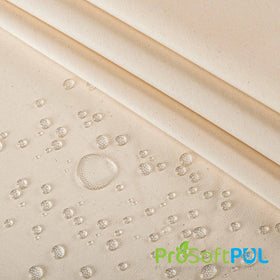
“I’m a cook at a small preschool and am using the food-safe PUL to make gallon-sized reusable snack bags… So far, the PUL has proven to be of high quality.”
Even in smaller-scale kitchens, material quality directly affects performance and outcomes, whether for garments or gear.
This blog explores how technical fabrics improve chef jacket performance in hot kitchens, combining cutting-edge fabric science with practical applications. Welcome to the future of culinary textile innovation, where staying cool isn’t a luxury, it’s a necessity.
How does the double-breasted chef jacket design provide heat protection? It’s not just for looks. The double-breasted front isn’t merely a symbol of status; it’s functional. This overlapping layer acts as a barrier against hot liquids, splashes, and radiant heat. But there’s a less obvious benefit as well:
“This provides an extra layer of fabric to shield the chef from hot liquids and potential burns... However, the main hidden reason is staying cool while standing in front of a big stove for so many hours.” – Paul F..
This speaks to the dual function of performance chef jackets: protection from hazards and passive thermal regulation. The core pillars of foodservice workwear, Safety, Comfort, and Professionalism, are all baked into the traditional chef jacket design.
Material safety plays a crucial role here. Cotton, a staple for chef jackets, doesn’t melt or stick to the skin when exposed to high temperatures, unlike many synthetic fibers. This makes it a preferred choice in heat-resistant chef apparel, prioritizing burn prevention and skin hygiene.
Professional kitchens also demand cleanliness. White jackets may stain easily, but they visually enforce hygiene standards and are bleach-safe for sanitation. Jackets are also tailored for function, snug enough to avoid snagging on equipment, yet breathable enough for long hours of exertion. It’s this delicate balance that defined the early evolution of breathable chef coats.
And though designed for chefs, heat-regulating fabric technology has found parallels in other areas of life. Uri B., who purchased Zorb fabric for home use, shared:
“My husband has been suffering with hot flashes and sweats as a result of his cancer treatments… we have actually started sleeping through the night without soaking the sheets.” – Uri B., Zorb® Fabric
The same thermal regulation fabric that brings relief in healthcare settings holds immense potential in the kitchen, where temperature extremes are routine. Understanding these foundations helps us appreciate why chef jacket design is now evolving, with advanced textiles leading the way.
The chef jacket has long been a staple of safety and professionalism, but it’s in the hot kitchen where its performance is truly tested. Traditional cotton, while breathable, reaches its limits in these environments. Enter technical fabrics for chef uniforms, built from the fiber up to handle heat, sweat, and intense activity.
“Technical fabrics with advanced moisture management are redefining chef jacket performance in high-heat kitchens.”
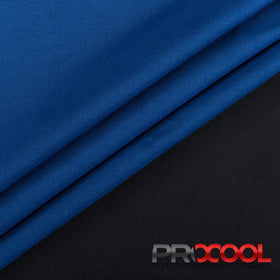
This shift is no accident. Driven by culinary textile innovation, new materials like ProCool TransWICK® use specialized blends of hydrophobic and hydrophilic fibers that actively pull sweat away from the body and push it into the air, keeping the wearer cool and dry.
Compared to traditional cotton, which holds moisture and takes longer to dry, these moisture management textiles support airflow and prevent chafing, even during dinner rushes.
ProCool fabrics are designed with performance athletes in mind, offering a level of breathability and quick-dry functionality that far exceeds legacy fabrics.
The same technology translates powerfully to kitchens, where conditions often mimic the stress of sport.
“We are using this fabric for our running apparel, and it has excellent wicking ability. We are extremely happy with the customer service we have received from Wazoodle, and our orders are always shipped promptly.” – HSMS, ProCool® CoolMax Fabric
This testimonial shows that the best moisture-wicking fabrics for professional chef uniforms can stand up to sweat-intensive demands, not just once, but wash after wash. With superior durability, odor resistance, and cooling properties, these textiles are more than innovative; they're essential.
And as sustainability becomes a key concern for modern kitchens, many technical fabrics are now engineered with recycled content, ensuring performance doesn't come at an environmental cost. For kitchens reimagining the future of workwear, culinary uniform innovation begins with the right fabric.
What makes USA-made organic cotton chef jackets better for kitchen safety? The answer lies not only in the fiber, but in the **fabric architecture, **and Zorb® 3D Organic Cotton Dimple leads the way.
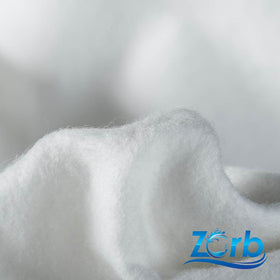
Designed to meet the demands of moisture-wicking chef coats in extreme heat conditions, this three-layer spacer knit fabric creates an effective six-layer barrier when used in double-breasted chef jackets. That means double the protection where chefs need it most; right at the core.
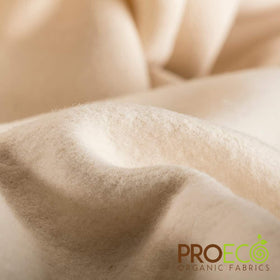
Unlike synthetic fibers that can melt or deteriorate under high temperatures, Zorb 3D Organic Cotton Dimple and FoodSafe Transwick are USA-made from 100% organic cotton facing layers, offering unmatched heat resistance and comfort. It’s engineered for high absorption and breathability, drawing moisture away from the skin while maintaining a safe thermal barrier. This unique combination allows the jacket to drape naturally while performing like industrial-grade workwear.
The same moisture-wicking power that promotes restful sleep in medical fabrics plays a critical role in heat-intensive kitchens. By efficiently absorbing sweat, these fabrics help chefs stay comfortable through long shifts, reducing distractions and minimizing heat-related safety risks.
Beyond function, Zorb 3D stands for responsible quality.
Produced in the USA under strict chemical-free conditions, it’s aligned with clean manufacturing standards that matter to today’s chefs and kitchen brands. If sustainability is part of your kitchen ethos, this fabric meets both ethical and performance benchmarks.
When it comes to heat-resistant chef apparel, few fabrics offer the multi-dimensional protection and versatility of Zorb 3D Organic Cotton Dimple. It’s a modern solution that builds on centuries of culinary tradition, layer by intelligent layer.
In the relentless pace of commercial kitchens, moisture-wicking chef coats aren’t a luxury; they’re a necessity. While traditional fabrics saturate quickly, trapping heat and sweat, ProCool® TransWICK® Technology is designed to tackle the challenge head-on.
This innovative textile leverages push-pull moisture wicking mechanics, pairing hydrophilic inner fibers that pull sweat away from the skin with hydrophobic outer fibers that rapidly expel it into the atmosphere. The result? **Faster evaporation, cooler skin, and a drier coat, **especially in high-sweat zones like underarms and side panels.
Breathability isn’t just a bonus; it’s critical for thermal regulation fabric applications in foodservice environments. ProCool TransWICK’s 4-way stretch enhances both airflow and flexibility, giving chefs freedom to move without sacrificing ventilation.
Strategically integrating ProCool TransWICK into chef coat designs allows for zoned performance: Zorb 3D Organic Cotton Dimple delivers insulation and core protection, while TransWICK ensures air circulation and sweat management in motion-heavy regions.
And it goes beyond comfort. Select Zorb and ProCool fabrics are treated with SILVADUR™ antimicrobial technology, offering built-in odor control, an essential hygiene benefit for long shifts in hot kitchens.
“Highly recommend this for that use as it allows cool fresh air to pass through, especially important for us asthma sufferers, and generally anyone who likes to breathe, lol.” – Lou R., ProCool® CoolMax Fabric
For chefs battling extreme kitchen conditions, ProCool TransWICK offers a chemical-free breathable fabric for culinary workwear safety, without compromising performance or peace of mind.
Chemical-Free, USA-Made: Why Sustainable Technical Fabrics Matter in Food Service
Modern foodservice workwear demands more than just performance; it must also protect the wearer and respect the planet. At Wazoodle, our commitment to culinary uniform innovation extends beyond technical design into how our fabrics are made and why it matters.
Unlike many overseas alternatives, Wazoodle fabrics are manufactured entirely in the USA, giving us full control over quality, consistency, and environmental practices. Our production standards eliminate harmful chemicals at every step, resulting in chemical-free breathable fabrics for culinary workwear safety, ideal for professionals who spend long hours in high-sweat, high-heat conditions.
“I work in food safety, and having a fabric that meets clean, reliable standards is crucial. I’ve found Wazoodle fabrics to be dependable in every way.” – Autumn S.
Our fabrics are not only hypoallergenic and skin-safe but also built with sustainability in mind, from low-impact fiber sourcing to waste-reducing manufacturing practices. These choices reflect what today’s chefs, restaurants, and food brands are increasingly prioritizing: health, ethics, and transparency in every layer of their uniform.
Whether you're sourcing fabrics for large-scale culinary apparel or developing your line of chef coats, the Wazoodle advantage lies in our clean, conscious production; made for the kitchen, and made to last.
Best Practices: Combining Technical Fabrics for Optimal Chef Jacket Performance
When it comes to chef jacket design, performance isn’t achieved with one fabric alone. It’s engineered, zone by zone, with the right blend of function, safety, and comfort. Today’s professional kitchen workwear benefits from the targeted use of technical textiles to address specific stress points in the garment.
In a double-breasted chef jacket design with cooling fabric technology, consider a layered core construction. For the torso and front panel, Zorb 3D Organic Cotton Dimple provides a multi-layered heat and moisture barrier, ideal for insulation and splash protection. It creates a soft but structured foundation that doesn’t cling to the body while maintaining airflow.
For underarms, side panels, and back zones prone to perspiration, ProCool TransWICK delivers critical ventilation and moisture control. It's 4-way stretch and push-pull fiber construction supports flexibility and rapid evaporation, key for active kitchens.
"We use Wazoodle fabrics in high-performance athletic gear, and they hold up incredibly well under heat and sweat. That’s why we started using them in kitchen gear too, same demands, different uniforms." – Jennifer L.
This dual-fabric strategy not only enhances temperature regulation but also supports tailored, close-fitting chef jacket designs that minimize snag risks near hot surfaces and machinery. The result is safer, smarter apparel that holds up under pressure, without compromising comfort.
The Future of Culinary Uniform Innovation: Industry Adoption and Emerging Trends
As commercial kitchens demand more from their gear, culinary uniform innovation is accelerating. High-performance fabrics are no longer niche; they’re becoming the new standard in food service.
Professional kitchens across the U.S. are increasingly turning to culinary textile innovations that prioritize durability, breathability, and safety. Garments made with materials like Zorb 3D Organic Cotton Dimple and ProCool TransWICK are gaining traction for their ability to withstand high-heat environments and frequent laundering without compromising performance.
“We switched to technical fabrics after repeated issues with traditional cotton uniforms, shrinking, trapping heat, and wearing out too fast. The new gear changed everything.” – Commercial kitchen team lead
Sustainability is also shaping the future. As restaurants and foodservice companies adopt greener practices, chemical-free, USA-made fabrics are emerging as both ethical and practical choices. This alignment of performance and values is creating long-term demand.
Looking ahead, advancements in fiber blends, antimicrobial durability, and smart fabric integration (such as temperature-reactive textiles) are set to drive the next wave of culinary apparel evolution.
Technical fabrics aren’t just a trend, they’re becoming an industry imperative.
Transform Your Chef Jacket Design with Technical Fabric Innovation
From the high-heat demands of the line to the nonstop motion of service, chef jacket design is evolving. Traditional cotton can’t keep up, but technical fabrics for chef uniforms are engineered to perform under pressure.
Throughout this guide, we’ve explored how innovations like Zorb 3D Organic Cotton Dimple and ProCool TransWICK address real-world challenges in professional kitchen workwear, from sweat control and flexibility to skin safety and sustainability. The results speak for themselves: better comfort, longer wear, and higher team satisfaction.
Performance and safety aren’t optional; they’re the foundation of modern chefwear.
Let’s build it together.
Technical fabrics like ProCool TransWICK and Zorb 3D Organic Cotton Dimple actively manage moisture and heat through engineered fiber blends. Unlike traditional cotton that absorbs and holds sweat, these moisture-wicking chef coats use hydrophobic and hydrophilic fibers to pull moisture away from skin and expel it into the atmosphere, keeping chefs cooler and drier during long shifts in high-heat kitchens.
The double-breasted chef jacket design creates multiple fabric layers that shield chefs from hot liquids, splashes, and radiant heat. When constructed with Zorb 3D Organic Cotton Dimple, this design effectively creates a six-layer barrier at the torso. The overlapping front panels also allow for better air circulation, helping chefs stay cool while standing in front of stoves for extended periods.
USA-made organic cotton chef jackets offer superior safety because cotton doesn't melt or stick to skin when exposed to high temperatures, unlike many synthetic fibers. Zorb 3D Organic Cotton Dimple is manufactured entirely in the USA under strict chemical-free conditions, ensuring heat-resistant chef apparel that prioritizes both burn prevention and skin hygiene in professional kitchen environments.
ProCool TransWICK technology uses a push-pull moisture management system combining hydrophobic outer fibers with hydrophilic inner fibers. This creates rapid moisture transport from skin to atmosphere; when blended with Lycra, it also provides 4-way stretch for flexibility. When strategically placed in underarms and side panels of breathable chef coats, it delivers superior ventilation and sweat control in high-pressure kitchen environments.
The best professional kitchen workwear combines different technical fabrics strategically. Use Zorb 3D Organic Cotton Dimple for torso and front panels to provide insulation and splash protection, while integrating ProCool TransWICK in underarms, side panels, and back zones for maximum moisture management. This culinary uniform innovation approach addresses both safety and comfort requirements in demanding kitchen conditions.
Yes, chemical-free breathable fabrics for culinary workwear safety are increasingly prioritized in food service. Wazoodle's USA-made technical fabrics eliminate harmful chemicals during production, resulting in hypoallergenic, skin-safe materials ideal for professionals working long hours in high-sweat conditions. This commitment to clean manufacturing supports both worker health and food safety standards.
Zorb 3D Organic Cotton Dimple is a three-layer spacer knit fabric that provides exceptional absorption, breathability, and heat resistance. Made from 100% organic cotton facing layers, it offers natural drape while maintaining structured protection. This moisture-wicking chef coat material combines the safety benefits of cotton with advanced moisture management, making it perfect for double-breasted chef jacket applications.
Technical fabrics for chef uniforms directly address the challenges of working in temperatures above 105°F. By actively managing moisture, providing superior breathability, and maintaining comfort during extended wear, these fabrics reduce heat-related stress and fatigue. This allows chefs to maintain focus, hygiene, and performance throughout demanding service periods, transforming professional kitchen workwear from a basic necessity to a performance advantage.
Next steps?